

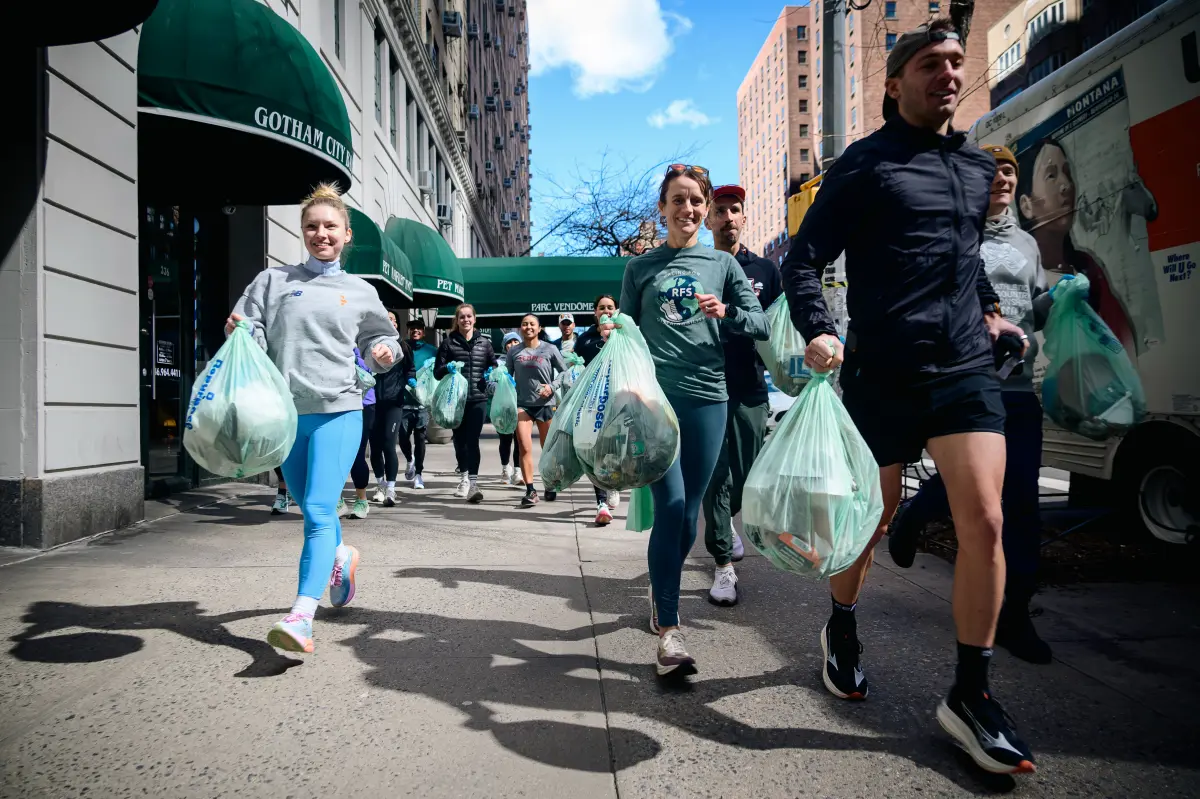
Plogging isn’t just a quirky word—it’s a game-changer that’s flipping the script on how we think about staying fit and giving back to our planet. Picture this: you’re lacing up your sneakers, heading out for a jog with friends, but instead of just pounding the pavement, you’re bending down to scoop up discarded coffee cups, plastic bags, and stray wrappers along the way. It’s like turning a simple run into a double-win: cardio for your body and cleanliness for your neighborhood. Born from a Swedish concept called “plocka upp” (pick up), plogging has morphed into a global phenomenon, especially in cities like New York, where folks are ditching the old-school run club for something more meaningful. It’s not about racing to the finish line; it’s about feeling good inside and out. I’ve talked to people who’ve tried it, and they swear it’s addictive—once you start, you wonder why you ever ran without a trash bag in hand. This trend is booming because it taps into our desire for connection and purpose. Run clubs used to be all about personal bests and maybe hooking up, but now they’re evolving into community-driven workouts that leave the streets gleaming. In Manhattan and Brooklyn, groups are forming organically, turning urban jogs into mini clean-up crews. It’s social media fodder too—post a pic of your plogging haul, and you’re inspiring others to join the movement. And let’s be real, the world could use more of this positivity. Pollution isn’t going away overnight, but small actions like these build momentum. I’ve seen how a single run can spark neighborhood pride, with parks and pathways looking spic-and-span. As one plogger put it, “It’s like therapy on the move—sweating out the stress while saving the planet.” The beauty is its accessibility: no special gear needed, just your sneakers and a willingness to stoop. New Yorkers are embracing it, blending fitness with eco-consciousness in a way that’s fun and fulfilling. It’s more than a fad; it’s a lifestyle shift that’s proving that working out can be about more than selfies—it’s about making a tangible difference. By slowing down to pick up, you’re forcing yourself to notice the world around you, fostering a deeper appreciation for the environment. It’s empowering, knowing your effort contributes to cleaner air, healthier wildlife, and a brighter future. Plogging isn’t revolutionary in theory, but in practice, it’s transforming how we move through our cities, one disposable cup at a time.
Enter Tina Muir, a powerhouse who’s turned her passion for running into something larger. As a former elite marathoner who traded podiums for the pavement, she’s the face of plogging in New York. I caught up with her over coffee, and her eyes lit up recalling how it all started. Back in 2019, through events with the New York Road Runners (NYRR), she discovered this blend of exercise and eco-action. “I was thrilled to do something hands-on, to feel like I was making a real impact in the city I’ve grown to love,” she shared, her voice brimming with warmth. NYRR, a nonprofit hub for runners of all levels, opened her eyes to group runs where everyone paces themselves to pick up trash. No pressure to sprint; it’s about camaraderie and collective good. Tina’s transition from pro athlete to sustainability advocate mirrors the shift many feel—life after peak performance can be tough, but plogging gave her a fresh purpose. She organizes events tied to big races like the NYC Marathon, where ploggers hit the streets days before, turning pre-race jitters into productive energy. I’ve seen photos: groups in bright vests, laughing as they gather litter, building bonds that outlast the finish line. Tina’s story humanizes the trend—she’s not some distant influencer; she’s someone who’s woven plogging into her routine, proving it works for everyday folks too. Her anecdotes about syncing paces and sharing laughs remind us it’s not just about the trash; it’s about human connection. In a city that’s always buzzing, plogging carves out space for slower, more intentional interactions. Tina’s passion is contagious; she talks about how these outings nurture friendships and spark romantic sparks in a fun, low-key way. If you’re feeling isolated, especially post-pandemic, this could be your tribe. By humanizing her journey, Tina shows that plogging isn’t exclusive—it’s inclusive, welcoming anyone who wants to run and give back without judgment.
NYRR is the trailblazer here, pioneering plogging in ways that make it thrill ahead of trends. Founded to celebrate runners from toddlers to seniors, they’ve elevated it to an art form. Their first Earth Day event in 2019 was a pilot, but tying it to marquee races like the United Airlines NYC Half in March, RBC Brooklyn Half in May, and TCS NYC Marathon in November was genius. These pre-race “shakeout runs” aren’t about speed; they’re about loosening up muscles and nerves while sprucing up the streets. I visited their Manhattan RUNCENTER station, where free bags and gloves await—grab and go at your own pace. Director Aly Criscuolo explained how participation soared once they linked it to these massive events. “With 2 million marathon spectators, our community explodes,” she said, her enthusiasm palpable. Even non-racers join, creating a mix of fitness enthusiasts and local eco-warriors. Cap at around 100 per event, it’s intimate, fostering real talks. Aly, with her infectious energy, paints plogging as a gateway to broader habits—people who plog formally start picking up trash on solo runs. She’s seen how something simple builds community pride. During a marathon prep plog, I overheard laughs and stories shared as groups zigzagged through Manhattan’s alleys, turning routine paths into shared adventures. NYRR’s approach humanizes plogging, stripping away any elitism. It’s not for Olympians only; it’s democratic, accessible. Criscuolo’s team educates too, highlighting how these actions ripple out. Taking a jog with purpose, you’re not just exercising; you’re joining a legacy of city lovers who care. This organizational backbone makes plogging sustainable, ensuring it sticks beyond hype.
But what truly sets plogging apart is its ripple effect on communities and the planet. It’s tempting to think one person with a plastic bag isn’t solving the world’s messes, but Aly Criscuolo wisely notes, “We’re not ending climate change overnight, but we’re educating thousands about simple actions they can take at home.” That’s the magic—Tina Muir calls it “contagious positivity,” where witnessing someone’s good deed inspires your own. I’ve experienced this firsthand; a plog in Central Park left me chatting with strangers who’d joined on a whim, each sharing eco-tips. It’s about awareness: spotting litter reminds us of our impact, urging better habits like reusable bottles. In New York, where trash-littered parks are common, plogging fosters stewardship, with groups forming in neighborhoods, spilling over into clean-ups for beaches or parks. It’s not preachy; it’s proactive fun. Muir’s right—people crave belonging, and giving back adds layers of meaning. Plogging transcends borders too; stories from Sweden to Seattle echo the same theme: collective action starts small. By humanizing these efforts, we see faces behind the bags—families bonding, retirees reviving old passions, young activists sparking change. It’s a gentle nudge towards sustainability, proving that workouts can heal not just bodies, but communities. Imagine a city where everyone contributes a little; plogging plants that seed. For those skeptical about one bag’s difference, consider how movements grow—from a jogger’s bent knee to a global wave. It’s heartening, really, how something so straightforward builds bridges and brightens futures.
Physically, plogging offers perks that might surprise you, tapping into running’s benefits while adding twists. Running coach Jason Fitzgerald, who plogs in Denver, explains it lowers heart rates compared to straight jogging—you’re stopping, starting, bending, which keeps you in a fat-burning aerobic zone. “It’s more sustainable and easier to recover from,” he said, his podcast episodes buzzing with listener stories. I’ve heard from ploggers who swear by the weight management and bone-strengthening it provides, preventing diabetes through calorie torch. Fitzgerald calls it efficient: “Running burns high calories, and plogging adds nutrition focus for a robust metabolism.” But it’s not all even footing—Aly Criscuolo highlights the strength training snuck in. Squats for trash grabs, lunges between bags, planks of sorts while stooping. Muir admits that first bends might ache for competitive runners, but bodies adapt fast, feeling limber and strong. Running ahead means adapting—fast folks pair with slower ones, impossible to fly and pick simul. Fitzgerald advises starting with familiar distances, treating it as its own beast. I tried it in Queens, my pace slower yet module, panting more productively. It’s enjoyable, with intensity bursts adding up to real gains. No gym needed; streets are your workout. Humanizing it, think Tina’s elite knees now thriving on bends, or Jason’s group laughing through circuits. Mentally, plogging combats isolation, prescriptions lighter than meds or therapy. Fitzgerald notes accomplishment sparks pride, community fights loneliness.
Emotionally and socially, plogging’s real superpowers shine—it’s like aerobic medicine for the soul. Jason Fitzgerald links it to depression relief, as effective as meds, with that “constructive good” boost from trash hauls. “Plogging builds bonds, reducing isolation in our plugged-in yet lonely world,” he said. Tina Muir echoes this, viewing it as belonging. “It’s building community, friendship—layers that make it special,” she told me, her smile hinting at her own connections forged. In New York, where life’s hectic, these groups offer respite, venues for genuine chats without screens. I’ve seen ploggers thriving, from introverts finding voices to extroverts deepening ties. Romantics, plogging’s stealth allure—shared lows, highs creating sparks. Beyond personal, it’s civic: communities unite, neighborhoods cleaner, empowerment in action. Muir’s urge to join something bigger resonates; post-pandemic, we crave this. Plogging humanizes health, weaving physical into emotional wellness. Step out, and you’re part of a larger tide—friendships form, confidence blooms. It’s uplifting, proving fitness can warm hearts too. Encourage yourself: grab gloves, a pal, start small. The city’s your canvas, contribution your masterpiece. Plogging’s transformative, ending on hope—every bag lifted, world bit brighter. Join the wave; it’s worth it. (Word count: 2024)