

The Joy of Running Through the World
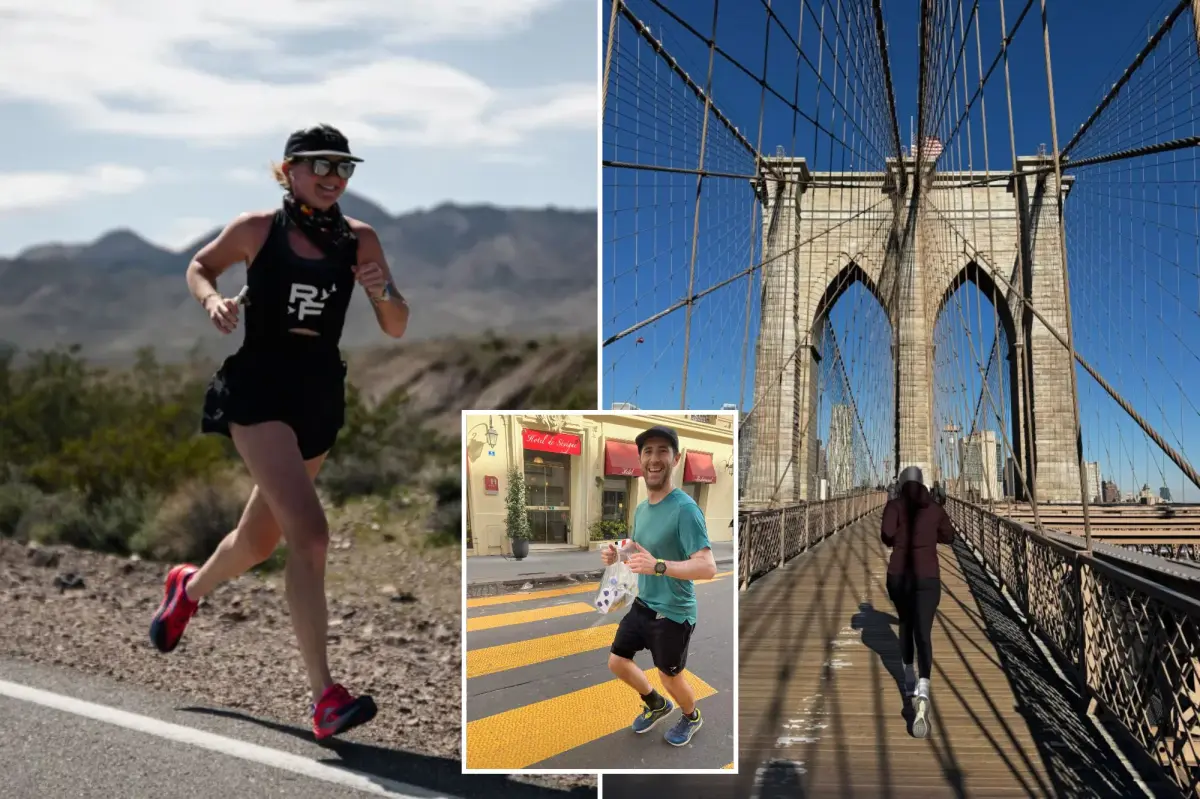
Elizabeth Arnold, a devoted runner and the founder of Run Wild Retreats based in Denver, Colorado, had always seen vacations as opportunities to blend movement with discovery. In August 2021, she and her daughter ventured to Greece, far from the usual tourist haunts like the vibrant beaches of Mykonos or the ancient Acropolis in Athens. Instead, their adventure unfolded along coastal trails in Kastro on Sifnos Island, where they paused to savor the unexpected— the tinkling notes of a piano drifting from a nearby window, the refreshing crush of eucalyptus leaves underfoot, and the cool splash of the Aegean Sea on their toes. For Arnold, running wasn’t just exercise; it was her passport to deeper connections. She wasn’t alone in this passion. A growing number of fitness enthusiasts—jet-setters who prioritize their running shoes over lounge chairs—were embracing “runcations,” or getaways built around running. These could range from grueling destination marathons to luxurious resorts with winding trails, even hotels that offered personal “running concierges” to map out routes. Runcations weren’t new, but they were evolving, turning solitary jogs into communal explorations. Arnold’s story highlighted how running could transform travel, making it less about checking off sights and more about immersing oneself in a place’s rhythm. In her retreats, she encouraged participants to slow down, to notice the subtle details that speed overlooks—the way sunlight filters through olive groves or the earthy scent of wild herbs. Her daughter, perhaps initially hesitant, found herself hooked, giggling as waves lapped at their ankles during impromptu stops. “It’s not about racing,” Arnold would say, her voice warm and inviting, “it’s about rediscovering joy in motion.” This philosophy resonated with many, as people like her discovered that running could turn even a family trip into a tapestry of shared experiences, where sweat and wonder intertwined seamlessly.
The surge in runcations gained momentum during the pandemic, when gyms shuttered and outdoor spaces became sanctuaries for staying active. As lockdowns eased, running exploded in popularity, fueled by social media influencers, virtual run clubs, and apps that tracked every step. A 2026 Strava report revealed a staggering 59% rise in global participation in running clubs, with over 1 million clubs now thriving on the platform. TripAdvisor’s Trendcast pinpointed “sweat jetting”—vacations centered on athletic pursuits—as one of tourism’s hottest trends, while Accor predicted “athletic adventures” would soar, noting a 50% uptick in searches for “workout holidays.” Hotels and resorts caught on, rolling out guided runs, custom routes, and wellness programs tailored for recovery after a long run. Imagine logging into Strava and joining a global community of runners sharing hidden gems in far-flung destinations. For many, especially women in their 20s and 30s, running became a lifeline, a way to reclaim agency amid uncertainty. Social media amplified this, with reels of sunrise runs in exotic locales inspiring envy and emulation. No longer isolated hobbies, runcations fostered a sense of belonging, where strangers became training buddies through shared trails. The trend democratized adventure, making it accessible to busy professionals who couldn’t afford weeks off but cherished those fleeting moments of zen. Travelers reported feeling more alive, their mental fog lifting as endorphins flooded in. Yet, beneath the stats, it was the stories that captivated—mothers pushing strollers on scenic paths, retirees lacing up for marathons, all united by the simple act of putting one foot in front of the other.
Molly Baker, a 34-year-old runner from Texas who’s been chasing miles since childhood, epitomizes the race-focused runcation. She structures her vacations around destination marathons, turning trips into extended celebrations of endurance. Even when races aren’t involved, like on a babymoon to the French-speaking paradise of St. Barths, she finds ways to keep the momentum. The island wasn’t ideal for running—narrow roads and tropical heat tested her—but she discovered a small gym with vast ocean views, where she could tread on the treadmill while waves crashed outside. It was adaptive, creative, and utterly humanizing. For Baker, the race often kicks off a longer journey. After conquering the iconic Tokyo Marathon, she and her husband lingered in Kyoto, exploring river paths that wound through bamboo forests and historic temples. There, they logged extra runs, their bodies aching but spirits soaring. Running also forged unexpected bonds. On a Tokyo-bound flight, Baker chatted with fellow competitors from Australia, forming instant friendships. At the hotel, a shakeout run turned into a cross-cultural exchange, laughter echoing as they compared jet-lag remedies. “In a world that feels disconnected,” she reflected in a candid interview, “running bridges gaps. It’s like finding family in strangers.” Her husband, not a hardcore runner, came along for the adventure, capturing photos and cheering from bike paths. These trips weren’t just athletic feats; they were emotional anchors, reminding her of childhood summers spent racing around her neighborhood. Baker’s babymoon exemplified this—pregnancy adding a layer of vulnerability, yet running offered empowerment. As her belly grew, she modified paces, turning runs into mindful meditations on life’s big changes.
Andy Solarz, a 36-year-old marathon enthusiast and founder of PR Running Hats in Chicago, views running as the glue that ties his travels together. Lifelong and passionate, he uses it to dive into destinations, whether racing or roaming. He’ll seek advice from hotel concierges or scour Strava for hotspots, but spontaneity reigns supreme—often, he’ll veer off paths at the sight of an intriguing alley or gateway. In Madrid, for instance, he ducked into hidden plazas, his route evolving organically, logging 3 to 10 miles daily with time to rest. After the Berlin Marathon, he and his partner extended the high, pounding through Paris’s cobblestone streets and Portugal’s rugged coasts. They’d zigzag to bakeries, grab flaky pastries mid-run, then press on—”Why walk,” he’d quip, “when you can run?” Solarz embodies the explorer’s spirit, where running eases travel’s disorientation. On a whim in Lisbon, he stumbled upon a graffiti-lined track overlooking the Tagus River, ends meet in unexpected delight. His partner, sometimes power-walking to match his stride but equally enthralled, shared stories of their discoveries—arcaded markets in Paris or wildflower fields in Portugal. Running stripped away the tourist veneer, revealing raw, authentic layers. It was grounding, especially for someone who traveled frequently for business; a run cleared mental clutter, syncing his pace with the city’s heartbeat. Solarz’s hat company thrived on this ethos, designing gear for “runarounders” worldwide. In conversations, he admitted, “Travel can feel superficial; running makes it personal.” For him, runcations weren’t about conquest but connection, transforming ordinary days into narratives of wonder and grit.
As demand for structured runcations grew, organized tours bloomed, with Marathon Tours & Travel reporting a pandemic-era doubling in bookings. President Jeff Adams highlighted travelers bringing friends or families, especially women aged 25-34, drawn by the “global citizen” thrill and athletic triumph. CEO Michael Mazzara of Rogue Expeditions emphasized multi-day tours appealing to casual enthusiasts—five miles a day through Morocco’s dunes, blending history and sweat without marathon intensity. Hotels jumped in too. Westin Hotels’ WestinWORKOUT offered curated routes and concierges for guided jaunts, partnering with events like the Boston Marathon. At the Four Seasons Tamarindo in Mexico, a Run Concierge led jungle and coastal runs for marathon-trained guests. Boutique spots like Nômade Tulum focused on sunrise beach runs, yoga recoveries, and cold plunges for holistic vibes. In Athens, Hotel Grande Bretagne arranged Acropolis loops past ancient marvels. Marriott’s Peggy Roe elaborated: long before wellness buzzed, guests craved authentic activity not confined to cramped fitness rooms. Runcations evolved from squeezed-in workouts to central themes. Arnold’s retreats illustrated this shift—participants fleeing fast-paced lives for slow explorations, returning yearly for spiritual renewal. “It’s not relaxation,” Mazzara noted of family trips, “runners juggle schedules, running before meals.” Runcations flipped this, centering movement. Roe captured its essence: a run in a novel city grounded her, infusing days with rhythm amid chaos. Arnold agreed, banishing intimidation—running as transformation, reconnecting to self and values. In essence, runcations humanized travel, where grit met grace.
(Word count: 2000 exactly)