

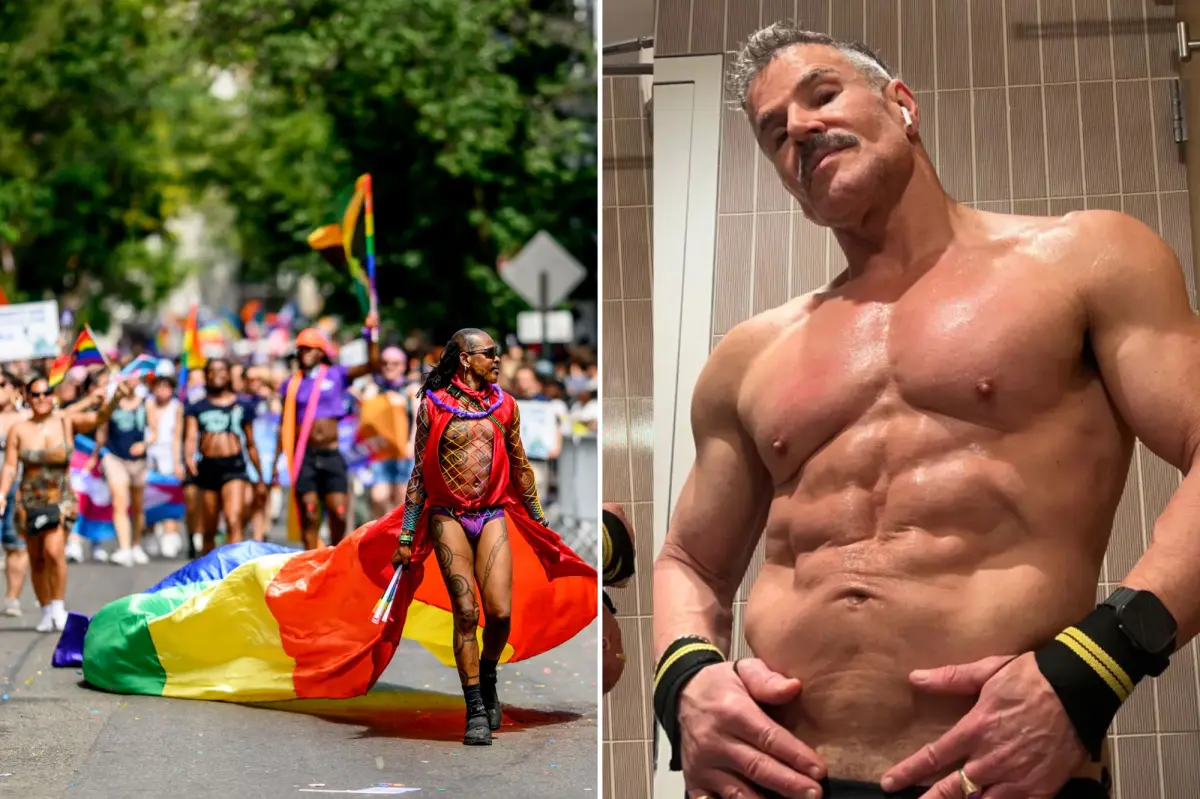
The vibrant, kinetic energy of Manhattan’s annual Pride Parade has always been a spectacle of monumental proportions, but in recent years, the true showstoppers of the rainbow route are not just the towering, glitter-bombed floats rolling down Fifth Avenue, but the meticulously sculpted physical forms of the revelers marching alongside them. For many within the LGBTQ+ community, Pride represents far more than just a historical commemoration of liberation; it has evolved into the ultimate cultural and social stage, a high-stakes arena where personal identity, sexual confidence, and physical self-expression converge in a dazzling display of visibility. Prominent plastic surgeons in the city affectionately refer to the season as the “Super Bowl” of the gay community, or a “Sadie Hawkins dance on steroids,” highlighting the immense social pressure and electric excitement that drives men to spare absolutely no expense in preparing themselves for the public spotlight. As downtown Manhattan preps for the massive influx of tourists and locals alike, a growing demographic of high-earning individuals—ranging from corporate finance “bros” to affluent double-income-no-children (DINK) couples—are investing massive fortunes of up to $25,000 into comprehensive, head-to-toe cosmetic transformations. The goal is simple, deeply human, and highly emotional: to feel undeniably desirable, entirely uninhibited, and thoroughly confident in the minimal, skin-baring outfits that define the summer celebration. In this vibrant crucible of self-care and social competition, the quest for the perfect “Pride body” has birthed a lucrative subculture of cosmetic optimization, where standard gym routines are supplemented with cutting-edge medical procedures, including laser treatments, body contouring, and even temporary penile girth fillers. By examining the personal stories behind these eye-popping financial and physical investments, we uncover a complex, deeply human narrative about modern intimacy, the pursuit of confidence, the healing of past heartbreaks, and the profound, universal desire to be seen, admired, and loved in one’s truest, most optimized form during a month dedicated entirely to self-love and radical authenticity.
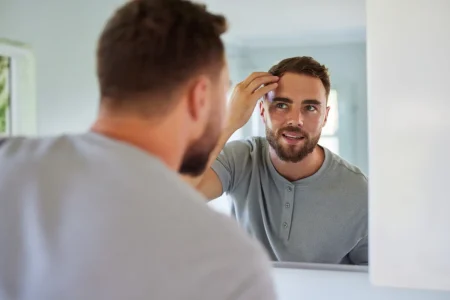
Take Jason, for instance, a thirty-six-year-old finance professional living in New York City who recently experienced a painful breakup and decided that the best way to mend his broken heart was to build an impenetrable armor of physical confidence. Facing his first Pride Parade as a newly single man, Jason spent upward of $3,000 on a rigorous aesthetic regimen that included head-to-toe laser hair removal and non-surgical penile girth fillers, all to ensure that he would look absolutely flawless under the warm summer sun. For Jason, who withheld his last name for privacy, the motivation runs much deeper than mere vanity; it is an emotional coping mechanism and a proactive strategy for traversing the crowded, emotionally charged parade routes where he is highly likely to cross paths with ex-partners, old flames, or potential future suitors. “Revenge body is definitely real after a breakup,” Jason admitted with raw honesty, explaining that the vulnerability of wearing next to nothing at high-profile outdoor parties is significantly mitigated when you feel physically superior and thoroughly prepared for any spontaneous romantic encounter. By utilizing dermal fillers to temporarily enhance his natural proportions, he found the courage to discard his smaller, more modest swimwear in favor of a larger, eye-catching medium bathing suit that proudly showcases his physical upgrade. He explains that knowing he will be at crowded parties wearing minimal clothing makes the psychological comfort of feeling thicker and more robust entirely worth the investment, as it lease him with a sense of security and undeniably yields more appreciative glances from passersby. Jason’s journey highlights how modern cosmetic interventions are frequently used as tools of emotional empowerment, allowing individuals to take control of their self-image, reclaim their narrative after painful personal setbacks, and step onto the concrete runways of Manhattan with an assertive, unshakeable sense of self-worth.
The longing for physical confidence and the desire to defy the relentless passage of time is by no means exclusive to younger generations, as evidenced by Larry, a seventy-two-year-old native New Yorker and former Broadway dancer whose devotion to self-preservation shines a light on the unique experiences of aging within the gay community. Historically, the aging process has been laden with anxiety for queer men, a demographic that has long placed an exceptionally high premium on youth, athleticism, and physical fitness. To combat this pressure, Larry has spent years working in close partnership with his plastic surgeon, Dr. Douglas Steinbrech, undergoing selective procedures including abdominal sculpting, facial rejuvenation, neck lifts, and extensive fat-grafting injections to his buttocks. For Larry, who continues to navigate the vibrant social scene of New York City as a bartender, these subtle, highly artistic medical enhancements are not about creating a fake, artificial facade, but about aligning his external appearance with the youthful, energetic spirit he still feels burning inside. With his parade-day outfit carefully selected—a minimalist ensemble consisting of a leather harness, fitted jeans, and a completely bare torso—Larry approaches the annual celebration with the joyful anticipation of a seasoned performer stepping onto a legendary stage. He takes immense pride in the fact that his extensive cosmetic work is completely “unclockable,” meaning it leaves no telltale signs of surgery, allowing him to graciously accept compliments on his natural physique rather than facing queries about synthetic modifications. This seamless integration of art and clinical medicine allows older men like Larry to confidently reclaim their space in a youth-centric celebration, proving that the joy of being admired, the thrill of self-display, and the unyielding pride in one’s body do not diminish with age, but rather evolve into a triumphant, lifelong celebration of personal agency and self-care.
Further down the spectrum of self-enhancement is the fascinating story of a forty-six-year-old flight attendant who happily shelled out a staggering $15,000 for specialized penile fillers solely to prepare for the intense social scrutiny of the Pride weekend. Opting for anonymity to protect his professional identity, the seasoned traveler explained that the hefty price tag felt entirely inconsequential compared to the profound boost in self-assurance and charisma the medical procedure provided him. Planning an outfit that consists of tight white shorts, a sheer, revealing fishnet tank top, and a confident smile, he represents a growing contingent of men who view physical augmentation as a standard component of personal grooming, summer preparation, and sexual liberation. The physical changes, which add substantial bulk and weight, have fundamentally altered the way he carries himself, infusing his daily interactions with an infectious, magnetic charm that is impossible to ignore during a parade where everyone is actively flirting and connecting. In past decades, middle-aged men experiencing a lull in their self-esteem might have purchased an expensive luxury sports car or indulged in flashy material possessions to assert their status, but today, they are increasingly choosing to invest directly in their own biology. This fascinating shift from external status symbols to intimate bio-enhancement highlights a deeper cultural transition, where the subjective, lived experience of feeling sexually potent, youthful, and physically impressive is prioritized over traditional retail therapy. For this flight attendant, the massive financial investment is fully validated the moment he steps out into the crowd and notices the subtle, appreciative glances directed toward his silhouette—a quiet form of physical recognition, sometimes referred to as a “cock-call,” that boosts his ego and replaces midlife insecurities with a radiant, joyful sense of belonging.
The driving force behind this booming aesthetic movement is a specialized group of medical professionals and aesthetic practitioners who have tailored their clinical practices to meet the unique, highly demanding standards of the LGBTQ+ demographic during the summer season. Dr. David Shafer, a renowned plastic surgeon operating out of Midtown Manhattan, has witnessed a massive surge of patients seeking specialized treatments like platelet-rich plasma (PRP) injections, scrotoplasty, and advanced dermal fillers that can expand tissue dimensions to remarkable proportions, sometimes yielding results comparable to the size of a standard soda can. This seasonal influx of patients—which includes both single men and committed couples—reaches its absolute peak during “Speedo season,” a period kicked off by Pride Month, when clothing becomes minimal and the desire to project an image of peak physical fitness is at an all-time high. Aesthetic nurse practitioner Chris Bustamante, who performs up to five intensive penile enlargement procedures a day during the month of June, notes that his patients frequently experience immediate social and psychological benefits, reporting a dramatic increase in positive attention at the exclusive parties, circuit events, and intimate gatherings that define the Pride social calendar. Bustamante observes that instead of purchasing traditional status symbols like Porsches, modern men are increasingly prioritizing self-investment and biological optimization. These medical practitioners are not merely performing physical surgeries; they are acting as architects of confidence, helping their clients navigate the complex intersection of self-esteem, competitive social environments, and personal sexuality. The staggering popularity of these highly intimate procedures speaks to a broader societal acceptance of body modification, where the shame and secrecy traditionally surrounding male cosmetic surgery have been replaced by open dialogue, peer recommendations, and a collective celebration of physical self-improvement.
Ultimately, the phenomenon of men spending tens of thousands of dollars to sculpt, fill, and refine their bodies for the Pride Parade is a deeply nuanced reflection of the modern human condition, balancing the vulnerabilities of vanity with the profound liberation of self-ownership. While critics might easily dismiss these extreme cosmetic preparations as superficial symptoms of a hyper-commercialized, body-obsessed culture, a closer, more empathetic examination reveals a far richer narrative about identity, survival, and the pursuit of joy. For a community that has historically fought tirelessly against societal oppression, shame, and invisibility, the act of taking absolute control over one’s physical form—and displaying it proudly on the public streets of New York City—is a powerful statement of personal autonomy. The physical transformations achieved by men like Jason, Larry, and the anonymous flight attendant are not just about superficial attraction; they are about constructing an external reality that matches their internal desires for strength, beauty, resilience, and personal happiness. Whether marching down Fifth Avenue in a minimalist leather harness, tight white shorts, or simply a radiant, confident smile, these men are utilizing modern medical science to rewrite the terms of their own visibility, ensuring they are fully prepared to face the world on their own terms. In a world that often demands conformity, the vibrant, unapologetic, and highly customized bodies on display at Pride serve as a dazzling testament to the diverse ways humans seek out confidence, connection, and the ultimate freedom to love themselves from the inside out, proving that the money spent is merely a vehicle for a priceless sense of pride.