


The Human Face of Childhood Cancer: A Fight for Life and Legislation
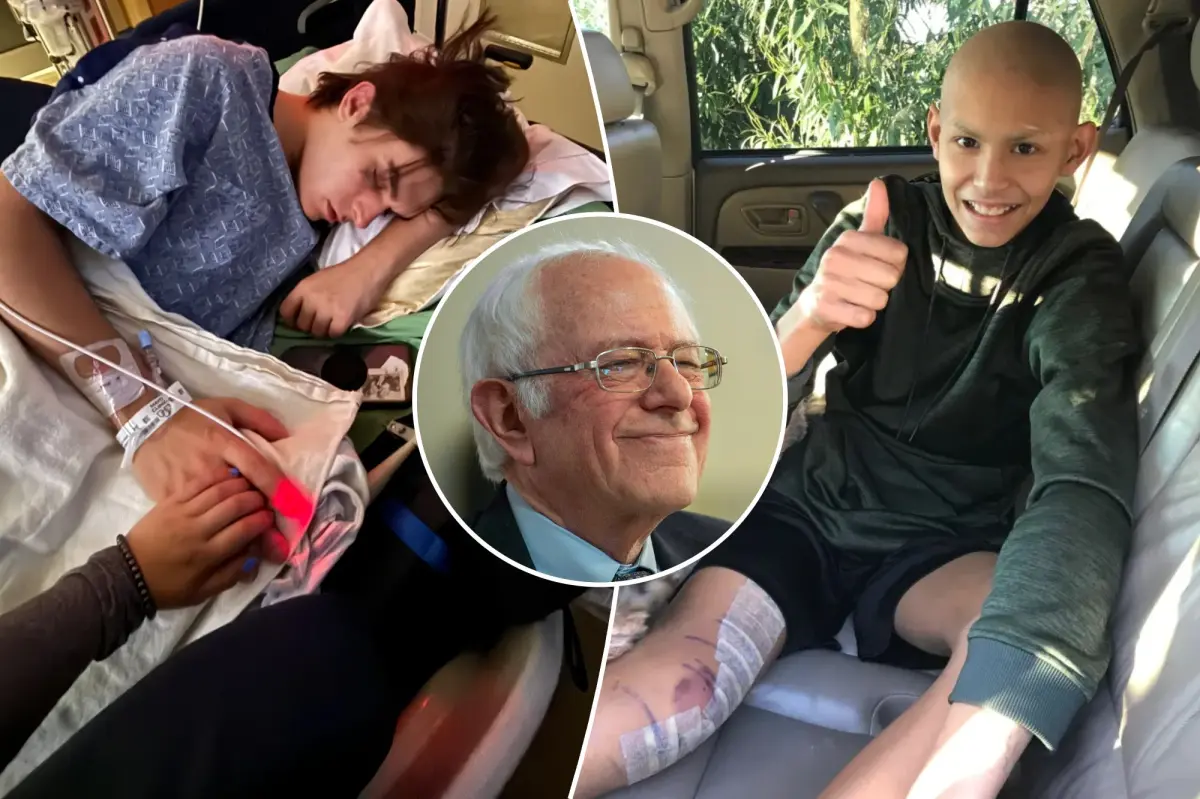
Jacob Knudsen, an 18-year-old freshman at California State University in Long Beach, carries a burden far heavier than his textbooks. While most students worry about exams and social life, Jacob anxiously awaits test results that will determine if cancer has once again invaded his body. “There is something currently in my lung, and there’s a 50-50 chance that it’s cancer,” he confides, his voice reflecting both fear and determination. “I’m willing to bleed, I’m willing to lose limbs, I’m willing to lose organs, I’m willing to do anything just to survive.” This isn’t Jacob’s first battle—diagnosed with osteosarcoma at age 12, he has endured 21 surgeries and countless rounds of chemotherapy and radiation as tumors appeared in his lungs, kidney, and lymph node. His journey epitomizes the struggle faced by thousands of children with cancer across America, a battle fought not only in hospital rooms but now in the halls of Congress.
Amid his personal health crisis, Jacob has channeled his energy into advocacy for the Mikaela Naylon Give Kids a Chance Act, named after his friend who succumbed to osteosarcoma at just 16 years old. The bipartisan bill aims to expand access to clinical trials and innovative treatments for pediatric cancer patients. Last month, it passed unanimously in the House of Representatives, signaling broad support for this life-saving legislation. However, progress stalled in the Senate when Senator Bernie Sanders opposed the bill, demanding additions for funding other healthcare initiatives like community health centers. This lone dissenting vote prevented the bill from advancing to President Trump’s desk, devastating Jacob and countless other young cancer patients waiting for hope. “They feel like they’re so sick and nobody’s watching,” explains Nancy Goodman, executive director of Kids v Cancer, who lost her 10-year-old son Jacob to medulloblastoma in 2009.
The human toll of childhood cancer extends far beyond physical suffering. Jacob recalls nights spent crying, contemplating life’s fragility: “I never had a girlfriend. I never got to fall in love. I’m going to have to leave my brother behind.” His cancer journey began at 12 with a tumor on his femur, leading to a full knee replacement and forcing the once-active athlete to learn to walk again. Five relapses later, through cycles of hope and devastation, Jacob has shown remarkable resilience—graduating high school on time and even obtaining his driver’s license after ten attempts. His parents, witnessing their child’s suffering, have been “shattered” by the ongoing battle. Yet Jacob perseveres, using his experience to advocate for others, insisting that the bill represents an investment in America’s future: “How many children have died from cancer? How many of those were the next Albert Einstein that never made it? These kids could solve the world’s problems.”
Anderson Coy, 21, shares Jacob’s mission despite facing his own terminal diagnosis. Diagnosed last summer with diffuse intrinsic pontine glioma (DIPG), a rare brain cancer that likely began in his early teens, Anderson and his mother JuliAn are equally committed to seeing the legislation passed. “When 16,000 kids under the age of 20 are diagnosed with pediatric cancer every year, and I find out that senators like Bernie Sanders make uneducated decisions to throw extra things into the act that cause it to not get voted through, it’s very upsetting,” JuliAn laments. The reality of DIPG underscores the urgent need for research advancement—there has been virtually no progress in treating this cancer since the 1960s, with a survival rate below 2%. Despite enduring radiation treatment that causes “nausea, fatigue, muscle pain and memory loss,” Anderson maintains hope, with his mother declaring, “Why not Anderson be the person to fight this battle and beat it?”
The Mikaela Naylon Give Kids a Chance Act represents more than policy—it embodies hope for families confronting childhood cancer’s brutal reality. Nancy Goodman, channeling grief into advocacy after losing her son, questions the functionality of a political system that stalls on such critical legislation: “How can we say Congress is functioning if it can’t pass the easiest bill that one can ever imagine? This is a bill that has bipartisan support that saves the lives of children with cancer that costs taxpayers nothing, and yet they can’t pass it.” There is renewed optimism this month that the bill may return to the Senate chamber. Jacob directs a powerful message to Senator Sanders and other legislators: “We need heroes. You have a chance to be a hero.” His plea extends beyond politics to basic human empathy: “You do not think about the fact that your child or grandchild could just all of a sudden have a disease, and there’s nothing you can do about it. You would rather die yourself than have them go through that.”
As Jacob returns to college and awaits his latest test results, his advocacy continues unabated. Both he and Anderson represent the faces behind the statistics—young people who should be building futures instead of fighting for their lives. Their stories highlight the urgency of advancing pediatric cancer research and treatment options through legislation like the Mikaela Naylon Give Kids a Chance Act. For these young warriors, political debates and procedural delays translate directly to lives hanging in the balance. They don’t have the luxury of time for political maneuvering; they need action now. As Anderson’s mother poignantly states, the devastation of childhood cancer affects entire families, yet they continue fighting with unwavering hope—a testament to the resilience of the human spirit in the face of unimaginable adversity. Their message to lawmakers is simple: behind every statistic is a child deserving a chance at life, and behind every child is a family whose world has been forever altered by three devastating words: “Your child has cancer.”