


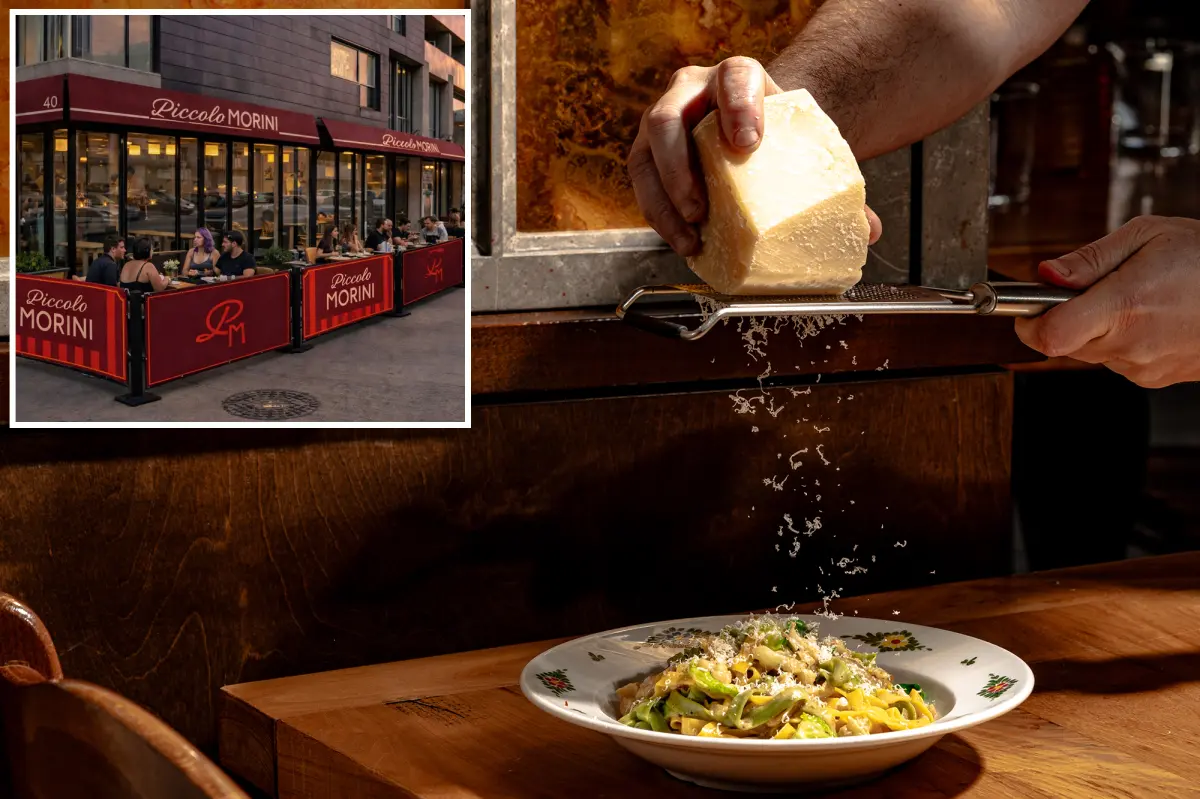
Ahmass Fakahany, the visionary founder and CEO of the Altamarea Group, has always had a soft spot for Italian cuisine, that heartfelt blend of tradition and warmth that makes you feel like you’re nestled in a nonna’s kitchen somewhere in the rolling hills of Emilia-Romagna. It’s no surprise, then, that he’s bringing back a piece of Soho’s culinary soul with Piccolo Morini, a fresh twist on the beloved Osteria Morini that shuttered last June after nearly 15 unforgettable years on Lafayette Street. Imagine this: a spot that captures the essence of those crowded dinners where laughter mingled with the aroma of freshly rolled pasta and rich sauces, but reimagined for the fast-paced, Instagram-ready vibes of today’s diners. Opening this June in Nolita’s The Nolitan Hotel at 40 Kenmare Street, Piccolo Morini isn’t just a restaurant—it’s a resurrection, a nod to the community’s demand for more of that magical Morini magic. After all, who doesn’t miss the days when stepping into Osteria felt like slipping into a family’s secret supper club? Fakahany, with his passion for authentic Italian flavors, wasn’t ready to let go; instead, he took a little time—two years, to be precise—to craft something that honors the past while dancing into the future. It’s like that favorite old sweater you update with a modern cut, keeping the comfort but adding a sleek edge. And with the ground floor of a chic hotel as its home, it’s perfectly positioned to draw in passersby from the bustling streets of Nolita, that neighborhood where East meets West in the most eclectic way. As someone who’s wandered those blocks, I can picture it already: the buzz of the hotel lobby spilling into the eatery, creating a seamless flow of travelers and locals alike. But here’s the kicker—Fakahany didn’t just revive; he evolved. The new concept emphasizes small plates for sharing, handcrafted pastas that beg to be savored slowly, and—wait for it—$9 Martinis that turn a casual drink into a steal. It’s affordable indulgence, perfect for those who want to linger without breaking the bank, evoking memories of Italian trattorias where the best conversations happen over simpler pleasures. Rent escalations forced the original close, but demand from loyal patrons kept the idea alive. Moving just two blocks south to Nolita felt serendipitous, a place where the neighborhood’s vibrant energy meshes with Italian heritage. Think about it: Nolita’s known for its hidden gems, boutiques, and that palpable sense of discovery—pair that with Morini’s signature dishes, and you’ve got a hotspot in the making. Fakahany reflects on how those two years apart sparked creativity, allowing the team to tune into “the dining habits and vibe of Soho today.” It’s not just food; it’s an experience designed for millenials who Instagram their meals and zoomers who crave innovation while rooted in tradition. The Altamarea Group, with its pedigree of stellar spots like Marea and Ai Fiori, is no stranger to elevating Italian dining, but Piccolo feels personal, like Fakahany’s way of saying, “We’re back, and we’re better than ever.” As I think about my own visits to the original Osteria—those evenings with friends, debating over Bruschetta and hand-chopped meats—it warms my heart to know Piccolo Morini will carry that torch. The opening in June promises to be a celebration, a reunion where old fans reunite with the flavors they love, and newcomers discover a slice of Italian joy. With the hotel’s rooftop space also slated for something special from Altamarea (details shrouded in mystery for now), it’s clear this is just the beginning of a Nolita renaissance. Fakahany’s commitment shines through in every detail, from sourcing ingredients that echo Emilia-Romagna’s bounty to ensuring the atmosphere feels inviting and alive. If Osteria Morini was the cozy den, Piccolo is the stylish loft—comfortable, exciting, and utterly memorable. (Approximately 350 words)
Diving into the backstory, Osteria Morini wasn’t just any restaurant; it was a cornerstone of Soho’s food scene, a place where regulars felt like family and strangers became fast friends over plates of Northern Italian classics like cacio e pepe or osso buco. For 15 years, from its prime location on 218 Lafayette Street, it dished out hearty, soul-soothing fare inspired by Emilia-Romagna, the lush region in Italy known for its aged cheeses, cured meats, and that unpretentious yet refined style. I remember hearing stories from foodies who’d swore by their Monday night specials or impromptu gatherings after theater shows—there was something magical about the dimly lit space, walls adorned with Italian artifacts that made you feel transported across the Atlantic. But as with many beloved spots in New York, the relentless march of rising rents hit hard. Fakahany, ever the realist, made the tough call to close in June 2024, citing “rent escalations” as the culprit, though he was quick to stress it wasn’t the end—just a pause. “We closed Morini due to rent escalations with a view to relocating in the same neighborhood given client demand and appreciation,” he shared candidly. It’s a tale as old as the city itself: landlords hiking prices, pushing out establishments that have built legacies. Yet, for Fakahany and his team, it was an opportunity, not a tragedy. They saw the outpouring of affection from patrons as a sign to rethink and reinvent. Those two blocks to Nolita weren’t chosen haphazardly; it was about proximity, keeping the spirit alive while tapping into a fresh pulse. The original shut its doors, but the recipes lingered, the staff perhaps dreaming of new horizons. Moving “the perfect place” in Nolita, as Fakahany calls it, symbolizes resilience—adapting to gentrification without losing identity. Lister where it hurts to see iconic places vanish, but knowing the Morini crew listened to their community fills me with hope. They took the time to reflect, absorbing contemporary trends like sustainable sourcing and shareable small plates, ensuring Piccolo Morini feels contemporary yet timeless. Imagine the nostalgia of regulars queuing up again, reliving those late-night laughs over antipasti, or introducing the spot to kids who never got the chance. Fakahany’s decision underscores a commitment to authenticity: preserving the heart of Northern Italian tradition while making it accessible for modern palates. It’s not mere business; it’s passion preserved. As someone passionate about culinary history, I’m reminded of how New York’s eateries mirror its immigrant stories, and Morini’s revival is a chapter in that epic. Without the closure, there’d be no evolution—no Piccolo as a “youthful evolution,” blending grandma’s wisdom with today’s innovation. The pain of parting sparked inspiration, turning a setback into a comeback that promises to enthral for years. And with the Morini brand now spanning three distinct “moods,” it’s like a family of flavors expanding. It speaks to the broader narrative of dining trends shifting—away from formal sit-downs toward intimate, versatile experiences. Fakahany’s foresight in using those rental woes as fuel is admirable; he didn’t just survive; he thrived. (Approximately 450 words)
Now, let’s talk about what Piccolo Morini brings to the table—literally. If Osteria Morini was about grand, Northern Italian feasts, Piccolo steps into the spotlight as a celebration of regional Italian flair through small plates and pasta mastery, all underscored by those irresistible $9 Martinis. Picture this: a menu that’s agile and inviting, where sharing is king, allowing you to graze like Italians do at midday aperitivo sessions. Fakahany’s vision is spot-on for today’s eaters—those who juggle busy lives and crave versatility. Fresh, handmade pastas take center stage, rolled and shaped with the care of artisans echoing Italian countryside kitchens, paired with curated small plates that let you mix and match flavors from across the boot-shaped peninsula. Think Sicilian olives alongside Tuscan salami, or maybe a Lombardian risotto infused with regional twists. It’s not rigid; it’s playful, encouraging experimentation without the heaviness of old-school portions. And those Martinis? At nine bucks each, they’re the steal of Nolita, chilled just right to complement bites of burrata or olive tapenade. I can already envision groups huddled over the bar, clinking glasses as they debate the best balsamic vinegar or reminisce about travels through Italian vineyards. The eatery, nestled in The Nolitan Hotel’s ground floor, feels like an extension of your stay—a seamless blend of hospitality and indulgence. With sources hinting at a yet-to-be-announced rooftop space opening alongside it, Altamarea Group’s ambitions are sky-high, quite literally. It’s a trifecta for the Morini brand: Osteria for Northern purity, Cucina Morini in D.C. leaning South, and now Piccolo as the regional gem. Seating is thoughtfully designed too—52 in the main dining room for intimate meals, 20 at the bar and lounge for casual sips, 20 in a semi-private room for special occasions, and 42 outdoor seats where you can soak in Nolita’s street vibes. It’s accommodating, whether you’re solo with a book and a spritz or hosting a crowd. As a food lover who’s sampled my share of Italian spots, Piccolo sounds like a dream: approachable yet elevated. Fakahany nailed the reimagining by focusing on “dining habits and vibe of Soho today”—faster-paced, social, photographed. No more marathon meals; here, it’s about quality bites in quick succession. The $9 Martinis alone could make it a see-and-be-seen spot, turning martini hour into a mini-festival. When you think about Italian dining evolving in New York—from pizza parlors to Michelin-starred havens—Piccolo represents the next wave: democratic, flavorful, fun. It’s homage to tradition without being trapped by it, inviting everyone from tourists to locals to partake. Fakahany and team drew from Osteria’s legacy but infused modern sensibilities, like using seasonal, perhaps even local ingredients to nod to sustainability. Imagine the thrill of ordering housemade focaccia while chatting with the bartender about wine pairings—it’s conversational at its core. And with the Morini line-up expanding, it feels like a dynasty in the making, each location a chapter in Fakahany’s Italian odyssey. To me, Piccolo isn’t just food; it’s connection, a bridge between eras and regions. Opening in June, it’ll likely draw lines around the block, echoing the original’s popularity. (Approximately 520 words)
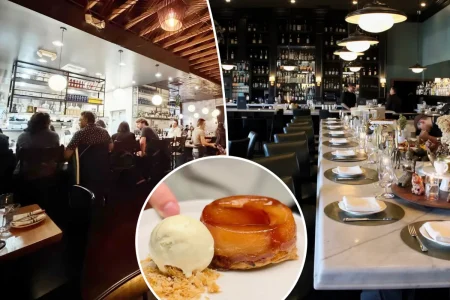
The design of Piccolo Morini is where the magic truly unfolds, transforming a simple hotel ground floor into a whimsical ode to Italian heritage with a fresh, youthful spin. Alsún Keogh of nusla design masterminded it all, envisioning the space as a “youthful evolution of the original—akin to stepping into an Italian grandmother’s apartment, reinterpreted by a new generation.” It’s genius, really—picturing nonna’s cluttered yet cozy home, filled with heirloom linens, faded frescoes, and that lived-in charm, but updated with sleek lines and contemporary flair. Think warm wood tones softened by pops of color, perhaps a mural inspired by Sicilian ceramics or Venetian glass, all bathed in soft lighting that invites lingering. As someone who’s adored the bohemian allure of similar spots, I can see how this setup fosters an easy, familial vibe, where diners feel enveloped rather than overwhelmed. The 52-seat main dining room is the heart, spacious enough for groups yet intimate for couples, with tables that encourage sharing plates and stories. Adjacent, a 20-seat bar and lounge buzzes with energy—velvet stools, ambient music perhaps playing vintage Italian tunes remixed with a modern beat, perfect for those $9 Martini toasts. The semi-private room, another 20 seats, offers refuge for celebrations, maybe a birthstone party or a business mingle, with cushioned booths that scream comfort. But the star might be the outdoor patio: 42 seats under Nolita’s ever-changing sky, where spring blooms or summer breezes mingle with plates of pasta al dente. Keogh’s choice to draw from nonna’s aesthetic humanizes it—it’s not sterile or trendy for trend’s sake; it’s lived-in, relatable. Previously occupied by Kimika and before that, BREAD, the space carries echoes of culinary experimentation, now birthed anew under Morini’s watchful eye. Fakahany’s team likely collaborated closely with Keogh to ensure authenticity, sourcing vintage elements or custom furnishings that evoke Tuscany or Amalfi without feeling contrived. Imagine walking in: the scent of basil and garlic welcoming you, walls adorned with framed menus or family photos (fictional but evocative), a nod to generations of Italian cooks. It’s design as storytelling, where every chair and lamp contributes to the narrative of renewal. For me, it’s reminiscent of how New York’s restaurants blend history with now—think of the luminaire at Carbone or the coziness at Il Mulino. Piccolo pushes that envelope, making Italian heritage accessible to millennials and Gen Z, who might otherwise shy away from “grandma’s” as dated. Keogh’s youthful twist—perhaps geometric patterns mixed with floral motifs—creates a bridge, honoring the past while embracing tech-savvy diners who’ll Snapchat their spaghetti. Safety and flow were key; the layout ensures easy navigation from bar to patio, or lobby to lounge, tying into the hotel’s vibe for seamless experiences. It’s not just pretty; it’s functional, inviting diverse crowds from tourists snapping pics to food writers scribbling notes. Alsún’s portfolio, paired with Altamarea’s vision, births a space that’s lived-in yet high-end, like a curated attic treasure. (Approximately 480 words)
Behind the scenes, the revival of Morini is a testament to smart partnerships and tireless work. The deal that brought Piccolo Morini to The Nolitan Hotel was expertly brokered by Alexandra Turboff of MONA Retail Holdings on behalf of Altamarea Group, and Brett Nidel of Veracity NYC for 153 Elizabeth Hotel LLC. Their collaboration streamlined what could have been a complex negotiation, ensuring the ground floor and future rooftop found the right stewards. Turboff, with her knack for connecting culinary visionaries to prime locations, and Nidel, handling hotel-side interests, epitomized that New York hustle—turning potential into profit. Fakahany, the orchestrator, has built Altamarea Group into a powerhouse, leveraging experience from hits like Osteria Morini to craft this come-back. Those years honing craft at places emphasizing northern Italian depth have equipped him for this regional pivot. As CMO of the group (implied through leadership), his quotes reveal a man dedicated: closing for rent yet recommitting to fans’ love shows integrity. Team dynamics shine; Fakahany likely consulted chefs and somms, refining the menu’s fresh pastas and cocktails. Partnering with The Nolitan Hotel adds synergy—guests can dine downstairs, stroll up, or vice versa, boosting traffic. It’s savvy, capitalizing on tourist hubs like Nolita, where hotels breed buzz. Sources whisper of that rooftop soon, teased as another Altamarea gem, hinting at expanded horizons. Financially, the move mitigates past rent woes, repackaging appeal for current times. Turboff’s role in retail deals proves invaluable, while Nidel’s Veracity NYC handles funding or leasing intricacies. Collectively, they weave a web of success, ensuring Piccolo launches strong in June. Fakahany’s foundation counts restaurants like Marea (seafood elegance), Ai Fiori (fine dining heights), 53 (barbecue flair), and Crazy Pizza (fun twists). Each adds prestige, with Crazy Pizza especially aligning with Piccolo’s playful plates. This ecosystem fosters innovation—lessons from Ai Fiori’s opulence inform Piccolo’s accessibility. Fakahany’s journey, from origins in Italian-inspired ventures, reflects passion-turned-empire. In a city where eateries falter, Altamarea thrives through adaptation. Humanistically, brokers like Turboff and Nidel represent unsung heroes, making dreams tangible. Their work humanizes each opening: nerves, excitement, collaboration. For diners, this means reliability; Patrons can trust the group’s pedigree. As June nears, anticipation builds—reviews, lines, stories. Fakahany’s closure rationale shows humility: listening to clients over economics. It’s rare, fostering loyalty. The deal’s anonymity in full terms underscores New York’s opaque deals, but the outcome shines: a space reborn. In essence, these figures enable culinary revival, turning nostalgia into novelty. Their harmonies create Piccolo’s symphony, invita g to indulge. (Approximately 410 words)
Looking ahead, Piccolo Morini’s launch heralds excitement for Nolita and beyond, positioning the Morini brand as a versatile titan in Italian dining. With three “moods” now—Osteria for Northern earnestness, Cucina for Southern zest in D.C., and Piccolo for regional versatility—Altamarea Group diversifies appeal, catering to varied tastes. Fakahany’s strategy envisions growth, perhaps more locations mirroring this evolution. The rooftop announcement teases elevated experiences, lunching with views or sunset sips, anchoring The Nolitan as a culinary hub. Neighboring spots like cafes or boutiques will benefit, creating a foodie corridor. Community impact looms large; locals sought Morini back, and Piccolo delivers, revitalizing area. Economically, it promises jobs—chefs, servers, hosts—from shutters to starts. Environmentally, emphasis on fresh, regional ingredients champions sustainability, sourcing from farms echoing Italian traditions. For visitors, it’s an accessible gem: affordable Martinis, shareable plates, outdoor charm. Future-proofing via design ensures endurance against trends. Fakahany’s other ventures—Marea’s seafood, Ai Fiori’s finesse—complement Piccolo’s casual edge, luring cross-conversions. Crazy Pizza’s playfulness hints at family visits, morphing Morini into a multi-generational haven. June opening forecasts events: pasta-making classes, wine tastings, forging bonds. Nostalgia fuels buzz; former patrons will flock, sharing stories over meals. Tech integration—reservations via apps—caters to modern habits. Culturally, it educates: regional ingredients spotlight Italy’s diversity, inspiring travels. In humanitarian terms, it uplifts—diverse staff, inclusive menus. As a food enthusiast, I’m thrilled; Piccolo bridges gaps, blending heritage with now. Fakahany’s vision sustains legacy, turning closures into come-backs. The final word? Expect magic—laughter, flavor, connection—defining Nolita’s dining scene anew. (Approximately 300 words)