






Los Angeles is a city fundamentally defined by its culinary landscape, a vast and glittering tapestry where world-class gastronomy meets the humble, soulful comfort of street food. From the sun-drenched patios of West Hollywood to the quiet, strip-mall hidden gems of Glendale and the San Fernando Valley, eating out is not just a daily convenience for Angelenos; it is a rich cultural ritual, a social lifeline, and a deep source of municipal pride. Yet, behind the bright neon signs, the carefully curated Instagram aesthetics, and the aromatic steam rising from busy kitchens, lies an unglamorous, high-stakes reality that diners rarely think about until something goes wrong. This silent battleground of hygiene and safety is policed by the dedicated, often underappreciated inspectors of the Los Angeles County Department of Public Health, whose job is to step behind the swinging kitchen doors and ensure that the food we put into our bodies is prepared in conditions of absolute safety and dignity. Last week, these inspectors were exceptionally busy, carrying out a sweeping series of surprise visits that resulted in the temporary closure of thirteen diverse eateries across the county, spanning a wide array of neighborhoods and culinary traditions. These closures, documented on the county’s public food facility closure list, serve as a stark reminder of how fragile the ecosystem of a restaurant truly is, and how quickly a beloved dining destination can be brought to a sudden, grinding halt when municipal health and safety standards are compromised. For these businesses, a single failed inspection means an immediate order to cease all operations, lock their doors to the public, and embark on a highly stressful, incredibly expensive scramble to address violations ranging from active sewage overflows and food temperature failures to the ultimate dread of every restaurateur: a vermin infestation.
The primary culprit behind many of last week’s sudden shutdowns was a persistent, deeply rooted urban challenge that has increasingly plagued the Southern California food service industry: vermin. Los Angeles has recently experienced a noticeable uptick in rodent and insect-related issues, driven by a combination of dense urban development, aging architectural infrastructures, and shifting seasonal weather patterns that push pests indoors in search of food, shelter, and water. For a restaurant owner, keeping these tiny, determined trespassers out is a constant, exhausting war that requires flawless structural maintenance, perfect sealings, and unrelenting vigilance from every single member of the staff. On June 8, this battle was unfortunately lost at SGJAA Snack Bar, a local fixture located at 9520 Hildreth Avenue in South Gate, where inspectors discovered a vermin infestation severe enough to warrant an immediate closure, one that remained unresolved as of the middle of the month. That very same day, House Market at 3337 Division Street in Los Angeles suffered a similar fate, with inspectors flagging them for a vermin infestation that threatened the safety of their food preparation areas. This rapid turnaround is a testament to the sheer desperation and dedication of small business owners. When your income depends on daily transactions, every hour your doors are locked is an hour of compounding debt. While some establishments struggle to find pest control services or struggle to patch up holes in older buildings, others throw their entire life savings into an overnight remediation effort, scrubbing baseboards and sanitizing prep counters until the early hours of the morning just to ensure safety and secure a green placard. Fortunately, this is exactly what happened at House Market; the proprietors immediately mobilized, executing an exhaustive deep-clean and professional pest-control intervention that allowed them to pass a rigorous follow-up inspection and reopen their doors to the neighborhood on June 9, demonstrating a swift commitment to restoring community trust.
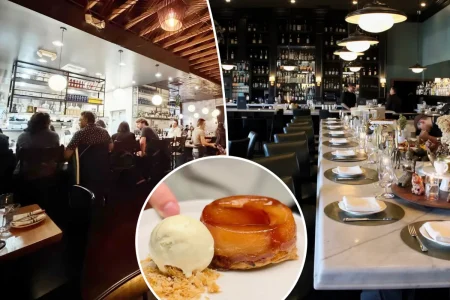
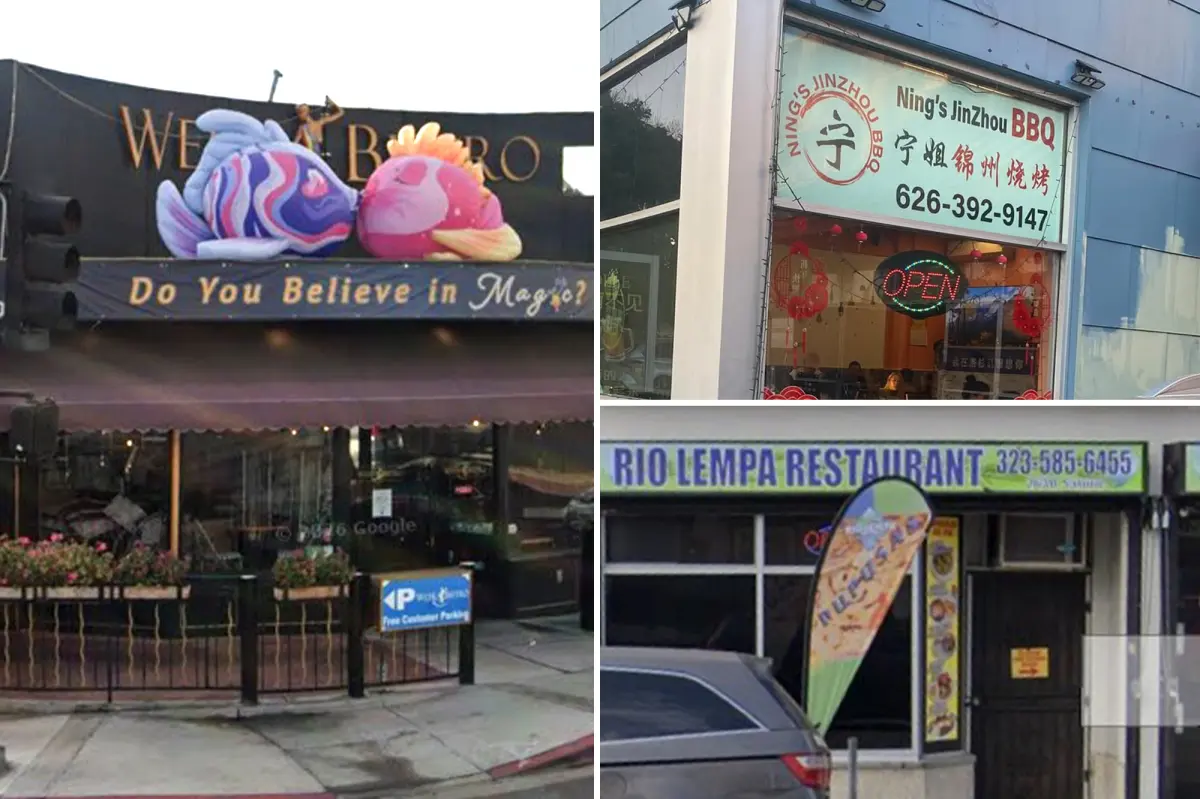
As the week progressed, Monday, June 10, emerged as an exceptionally challenging day for health compliance, claiming a remarkably diverse group of dining establishments and proving that health violations do not discriminate based on neighborhood, price point, or corporate backing. In the fashionable heart of West Hollywood, the trendy European bistro Coucou, located at 9045 Santa Monica Boulevard, was ordered to close its doors. Although the public database did not list a singular, simplified reason for the closure, the inspector’s detailed notes revealed a deeply concerning cocktail of major violations, specifically pointing to the active presence of insects, rodents, birds, or other animals inside the facility, alongside critical failures in maintaining safe hot and cold holding temperatures for perishable foods. On the exact same day, even the rigorous, standardized operational protocols of a massive national chain could not prevent a shutdown, as the Panda Express located at 2187 West Rosecrans Avenue in Compton was forced to halt operations due to an active vermin infestation. Fortunately for local fast-food fans, the corporate structure responded with rapid efficiency, clearing up the issues and securing permission to reopen on June 12. Meanwhile, in Claremont, the popular eatery Petiscos at 211 West 1st Street found itself in a similar predicament on June 10 when inspectors flagged them for vermin presence, improper food holding temperatures, and lack of clean hands among staff; they also managed a swift turnaround, addressing the problems overnight to reopen on June 11, illustrating the high stakes of maintaining daily food safety standards. These rapid reopenings highlight the stark divide between independent mom-and-pop shops and major corporate entities. While a chain like Panda Express can instantly deploy a dedicated team of regional managers and corporate cleaning crews to solve a problem in twenty-four hours, smaller establishments like Coucou, as well as WeHo Bistro at 1040 North La Cienega Boulevard which was also wrapped up in West Hollywood’s compliance sweeps during this period, often have to navigate the crisis with limited hands, waiting anxiously for scarce inspector availability to get back to serving their clientele.
The sweep on June 10 also exposed several other venues where the fundamental infrastructure of food safety—proper plumbing, sanitation facilities, and basic hygiene—had broken down entirely, presenting severe hazards to the dining public. In Monterey Park, a culinary hub famous for its authentic Asian cuisine, Ningjie Jingzhou BBQ at 331 West Garvey Avenue, Suite D, was shut down after an inspection revealed a staggering array of major violations. While no single summary reason was finalized in the system, public records detailed a list of critical concerns including failure to maintain clean hands, dirty food-contact surfaces, improperly displayed shellstock tags for seafood, incorrect food storage temperatures, and major issues with sewage and wastewater disposal. In the Westwood neighborhood of Los Angeles, the Diplomat Restaurant at 1781 Westwood Boulevard faced an incredibly severe combination of public health emergencies; inspectors closed the Mediterranean spot after documenting a vermin infestation compounded by active sewage discharge and a complete lack of available methods or equipment to properly clean and sanitize dishes. Further south, the simple, daily comforts of a sweet treat or a warm pupusa were temporarily lost to local communities as Cream & Sugar Cafe at 12826 La Mirada Boulevard in La Mirada, and Pupuseria Rio Lempa at 2630 Saturn Avenue in Huntington Park, were both ordered to lock their doors on June 10 due to critical vermin infestations, leaving their futures uncertain as they worked behind closed doors to resolve the issues. For these neighborhood joints, the loss goes beyond financial strain; it represents a temporary tear in the social fabric of the community. A local pupuseria is often a gathering space where families share weekend meals, and a dessert cafe is where neighbors catch up over coffee. Hearing that these beloved places suffered from sewage issues or vermin is a deeply unsettling experience for loyal patrons, making the road to recovery as much about restoring public confidence as it is about fixing leaky pipes and clearing out pests.
As the week moved into June 11, there was no respite for local business owners, as inspectors continued their unwavering efforts to protect the dining public from substandard conditions in neighborhood staples and comfort-food joints. In Inglewood, Asadero Chikali, a popular spot located at 4233 West Century Boulevard, Suite 7, was closed down due to a vermin infestation, halting their service of grilled meats and Mexican specialties to a busy corridor of local workers and residents. Not far away in Los Angeles, the beloved Happy Donuts at 4157 Eagle Rock Boulevard became a source of community concern when inspectors ordered a temporary closure due to major violations involving the presence of insects, rodents, or birds. For neighborhood regulars who rely on the shop for their morning coffee and pastry ritual, the sight of the closed sign was a disheartening shock, but the dedicated staff worked feverishly over the next few days to sanitize the premises, successfully passing their follow-up inspection and reopening on June 14. Sadly, the Safari Restaurant and Bar at 2321 East 1st Street in Los Angeles had a more complicated road ahead; they were shut down on June 11 for a suite of major violations that included the presence of pests, improper food holding temperatures, and a failure to maintain clean and sanitized food-contact surfaces, keeping their doors closed as the week came to an end. The physical and emotional labor required to pull a restaurant out of a health department shutdown is monumental. Employees who normally spend their shifts cooking and serving customers are suddenly handed scrub brushes, bleach, and caulking guns, tasked with sealing every microscopic crack in the walls and boiling every utensil. The management must coordinate with pest control experts, purchase new temperature monitoring equipment, and completely retrain staff on food holding protocols, all while staring at empty registers and worrying about how they will make rent.
By Monday, June 15, the dust had still not fully settled on this intense week of inspections, with the vast majority of the shuttered establishments still closed to the public and facing the daunting task of proving they have completely eradicated every trace of pests and filth. For a small business, every single day spent closed is a financial disaster, representing thousands of dollars in lost revenue, wasted inventory, and the potential permanent loss of loyal customers who may take their business elsewhere out of fear or convenience. When local journalists reached out to the owners and managers of these affected restaurants to hear their side of the story, most met the inquiries with defensive silence or declined to comment, highlighting how deeply embarrassing and potentially fatal a sanitary closure can be in today’s hypersensitive, review-driven culinary market. Yet, as unpleasant as these closures are for the business owners and as unsettling as they may be for local diners who realize their favorite spots were compromised, this rigorous system of accountability is precisely what keeps the city safe. Ultimately, the health department’s strict enforcement ensures that when we finally sit down at a table, we can focus on the joy of a shared meal, confident that the unseen hands preparing it are adhering to the highest standards of cleanliness, safety, and respect for their community. This delicate balance between public safety and economic survival is what makes the food service industry one of the most brutal yet beautiful landscapes in Southern California. The inspectors are not villains; they are the guardians of our collective health, protecting us from foodborne illness and invisible dangers. When these shuttered restaurants eventually reopen their doors—brighter, cleaner, and strictly compliant—they deserve a second chance, as the journey of redemption they undertook is a testament to their dedication to feeding Los Angeles safely and with pride.