

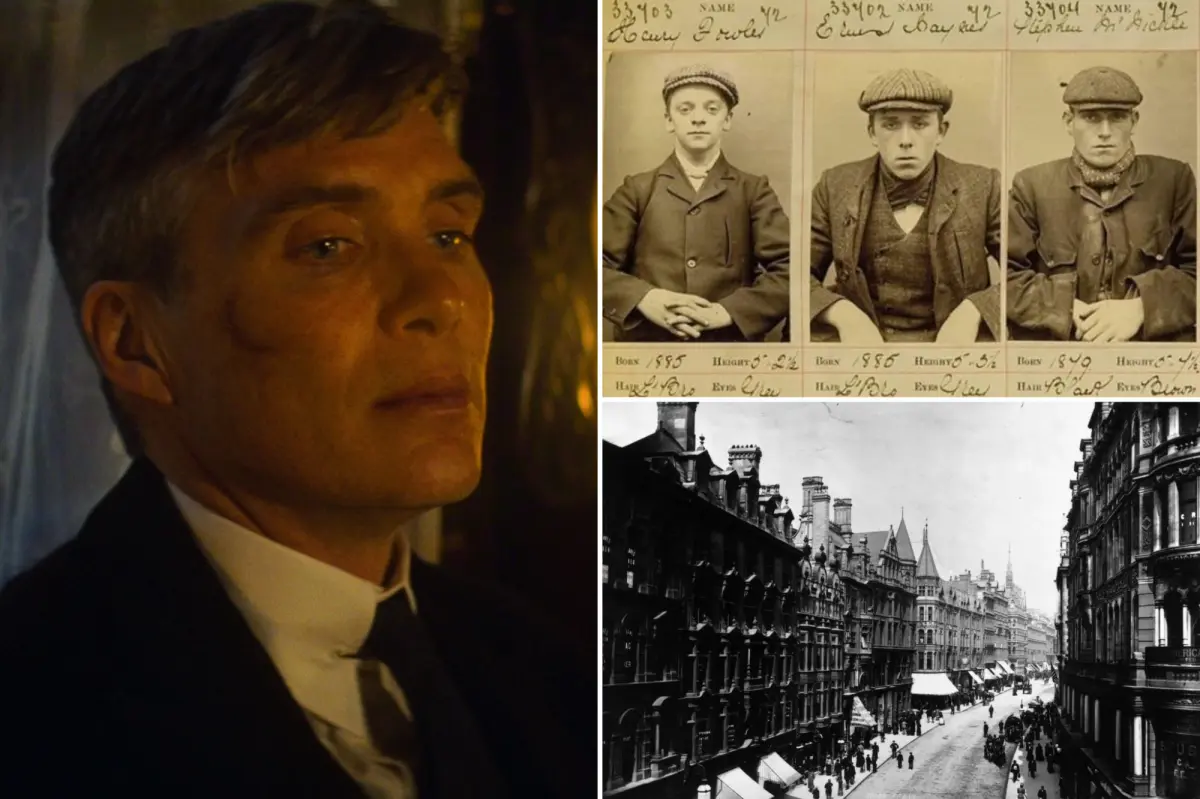
The sun sets on Birmingham’s gritty streets, casting long shadows through the haze of cigarette smoke and whispered secrets, evoking a time when danger lurked behind every peaked cap. Fans of the electrifying BBC series Peaky Blinders have been holding their breath since the final cliffhanger in 2022, where crime boss Thomas Shelby narrowly escaped assassination, leaving a trail of unanswered questions and unquenched thirst for more. Now, like a phoenix rising from the ashes of wartime England, “Peaky Blinders: The Immortal Man” is swooping back onto Netflix on March 20, promising to plunge viewers into the heart of WWII. This nearly two-hour cinematic epic, which had a limited theatrical run before streaming, reunites viewers with Cillian Murphy’s magnetic portrayal of Shelby—a wolf-eyed war veteran turned ruthless gangster. Murphy, with his Oscar-winning intensity, channels Shelby’s tormented soul, a man haunted by demons both internal and external. The original series, spanning six seasons, painted a vivid tapestry of post-WWI Britain, where Shelby and his Shelby clan navigated a labyrinth of tragedy and triumph, from family betrayals to empire-building ambitions.
Imagine stepping back into the early 1900s Birmingham, a city boiling over with rapid urbanization and dire poverty, much like it does in the show’s gritty underworld. Screenwriter Steven Knight, the creative genius behind this underworld saga, drew deep inspiration from real-life whispers of the Peaky Blinders—a gang of elegantly dressed yet utterly vicious criminals who prowled the slums of England’s industrial heart. Knight’s father once recounted a childhood memory: delivering a message to a group of impeccably groomed gangsters, perched around a table laden with cash, guns tucked into their pockets, surrounded by the hazy aroma of smoke and spirits. That image ignited Knight’s imagination—a blend of mythology and menace that birthed the show. The OG Peaky Blinders flourished in the late 19th and early 20th centuries, emerging from the underbelly of a society gripped by rampant unemployment and despair. As hunger tightened its grip, anger brewed, giving rise to these young working-class thugs in their teens and twenties, who combined sharp suits with sharper blades.
But what gave these lads their infamous name? The series loves to dramatize the razor blades allegedly sewn into their peaked caps, used to slash and blind foes with a vicious swipe. It’s a chilling, movie-ready trope that sticks in your mind, painting them as sartorial assassins wielding hidden weapons. Yet, historians like Carl Chinn argue it’s likely just a myth—razor blades were a rare luxury back then, too pricey for these slum-dwelling hustlers, and practically useless for fighting. Instead, the “Peaky” likely came from how they wore their caps: tilted rakishly over one eye to shield their faces and evade identification, like a game of hide-and-seek with deadly stakes. And “Blinders”? Well, beyond the visual blinders, it was slang for someone dazzling, blinding in their allure. Picture these men strutting in cravats, bell-bottom trousers, steel-capped boots, and silk scarves—a degenerate dandy look that screamed status while flipping off the law. This uniform wasn’t just style; it was strategy. It set them apart from rival gangs, flaunted their faux wealth, and taunted police who spotted them but couldn’t pin them down. Through a mix of fear and bribes, they seized control over Birmingham’s economic, political, and social reins, turning the city into their personal kingdom of shadows.
These weren’t noble outlaws; the real Peaky Blinders were predatory wolves in sheep’s clothing, preying on their own communities with merciless abandon. As historian David Cross described in BBC interviews, they attacked anyone who appeared vulnerable, driven by a cutthroat greed that knew no bounds—mutts would snatch anything of value, from wallets to livelihoods. A infamous 1890 incident saw them assault a man named George Eastwood over something as trivial as ordering a ginger beer, which sparked a local newspaper to dub them “Peaky Blinders” in print. From there, their empire expanded wildly: starting with petty crimes like gambling, pickpocketing, and beatings, they escalated to grander schemes of smuggling, fraud, and hijackings. Their rise mirrored the show’s arc, inverting history by extending the saga into WWI and beyond, while the actual gang peaked and crumbled before the war’s onset. The real end came not from cops, but from rival gangs, shattering their stylish reign and scattering their legacy across folklore and fear. Yet, through Steven Knight’s storytelling, they’ve been recast as flawed anti-heroes, protectors of the downtrodden— a moral twist that Chinn calls “distortion,” emphasizing how they victimized their own people instead of uplifting them.
In “The Immortal Man,” Tommy Shelby confronts Nazis in 1940s Europe, his icy resolve clashing against the horrors of dictators and despair, a setup that feels both thrilling and timely. Knight weaves fiction with fragments of truth, much like how the series humanizes these gangsters—showing Tommy’s emotional scars from war, his fraught family dynamics, and his quest for redemption amid unrelenting chaos. It’s easy to root for characters who grapple with PTSD, loyalty, and loss, even as we grapple with the moral ambiguities. The show’s long run not only revitalized interest in this era but also sparked fashion trends, with viewers donning caps and suits inspired by these Birmingham bad boys. For those who’ve binge-watched late nights, feeling the adrenaline of their schemes, the film promises closure yet teases more turmoil. Tommy’s immortality, explored on screen, mirrors how the Peaky myth endures, evolving from historical footnote to pop culture icon, reminding us how tales of crime can captivate hearts and spark endless debate.
As the credits roll on “The Immortal Man,” you can’t help but wonder if this is really goodbye or just a momentary truce in a never-ending war of underworld intrigue. Steven Knight has hinted at more stories waiting in the wings, fueled by an insatiable public hunger for the Peaky world—its blend of gritty realism, emotional depth, and historical flair. Living through Tommy’s battles feels personal; his struggles echo those of vets haunted by war’s scars, making him a relatable anti-hero in our disconnected times. The series and film don’t just entertain; they provoke thought about class, power, and survival, drawing us into a dance with danger that leaves you breathless. For Birmingham’s forgotten streets to global screens, the Peaky Blinders’ story has transcended time, a testament to human fascination with the dark side of history. Whether you’re a die-hard fan or a curious newcomer, diving into this saga is like sipping a forbidden whiskey—potent, intoxicating, and utterly addictive. And with Knight’s promise of continuation “as long as there is a story to tell,” we can bet these boys will be back in town, roguish as ever, ready to command our attention. In a world craving heroes with flaws, Tommy Shelby stands immortal, a mirror to our own inner conflicts, ensuring the legend lives on.