


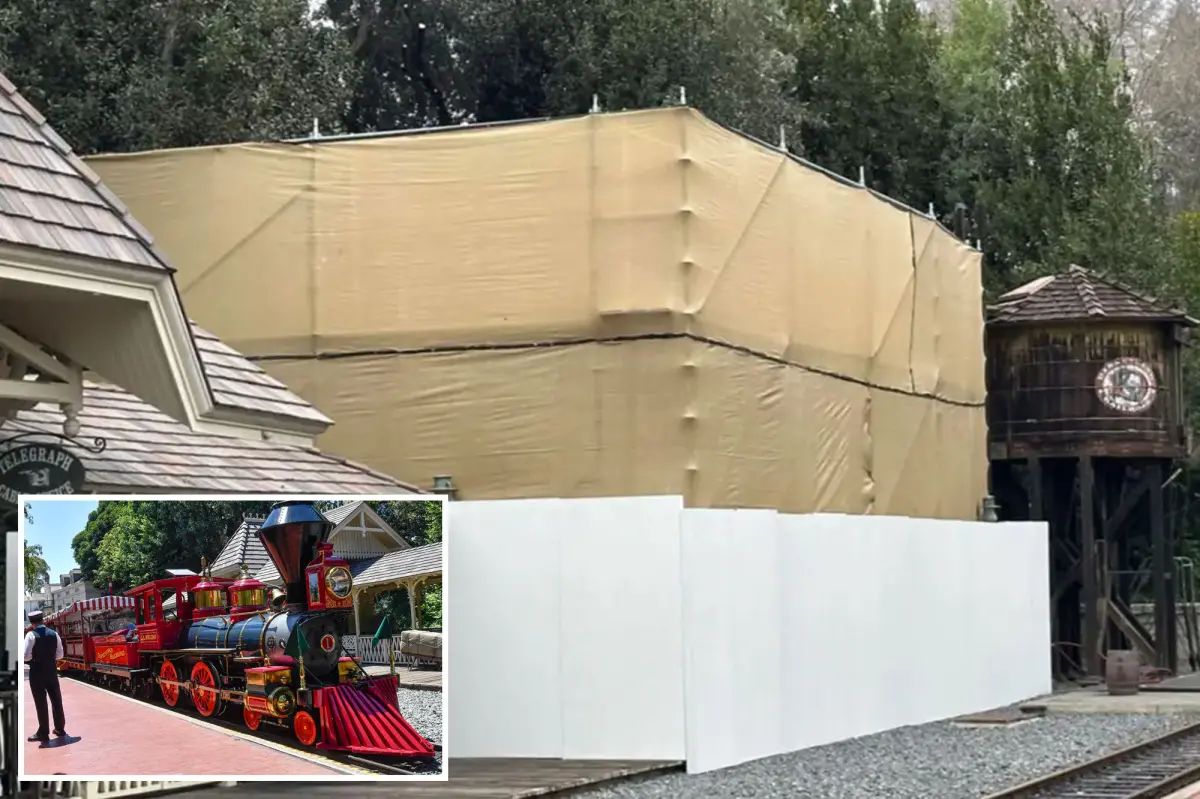
Disneyland has always been far more than just a grand collection of high-thrill rollercoasters, dazzling firework displays, and colorful souvenir shops; it functions as an incredibly complex, living, and breathing tapestry of history, nostalgia, and meticulously curated storytelling where every single square inch serves a highly specific narrative purpose. At the absolute heart of this immersive design philosophy lies Walt Disney’s personal, lifelong obsession with railroading, a passion that served as the foundational spark for the creation of Disneyland itself back in 1955 and has shaped how generations of families experience the magical theme park. Among the park’s most beloved, atmospheric, and historically rich environments is New Orleans Square, a land that masterfully transports guests back to the romantic, melodic, and mystifying atmosphere of the 19th-century American South. For decades, the vintage steam locomotives of the Disneyland Railroad have chugged merrily through this beautifully designed zone, offering passengers a wistful, scenic glimpse of a bygone era. However, a silent, noticeable void has lingered near this historic train platform for the past few years, leaving a painful and highly visible gap in the area’s meticulously crafted visual heritage. In a deeply heartening turn of events for local historical preservationists, casual theme park visitors, and devoted Disney enthusiasts alike, Disneyland has officially been granted a crucial building permit to reconstruct a small but deeply cherished piece of this historic landscape: the beloved New Orleans Square train station “radio house.” This long-awaited approval from local regulatory authorities in Anaheim marks the beginning of an emotional and thorough resurrection process for a modest 357-square-foot structure that was tragically scorched and lost to a devastating fire more than three years ago, promising to restore a sense of completeness, visual harmony, and nostalgic warmth to one of the theme park’s most iconic, historic, and deeply photographed scenic corridors.
The tragedy that initially befell this charming and historic structure struck during what is typically one of the most magical, busy, and vibrant times of the entire year at the Southern California resort, casting a somber shadow over the holiday decorations. In December of 2022, amidst the immense hustle, bustle, and bright lights of the festive winter season, an unexpected and highly aggressive after-hours fire broke out at the New Orleans Square train station. While the park’s incredibly stringent safety protocols, state-of-the-art detection systems, and the swift, heroic intervention of local emergency response teams ensured that absolutely nobody was injured or harmed during the incident, the blaze dealt a heartbreaking blow to the physical history of the park. The fire completely gutted the interior of the vintage building, reducing a cherished piece of theme park history to a charred, skeletal ruin in a matter of hours. For years following the disaster, visitors riding the rails or walking through the adjacent areas were greeted by the depressing sight of the blackened remains hidden behind a towering shell of intrusive scaffolding and heavy green construction tarps, serving as a somber, silent reminder of the fragility of even the most magical places on Earth. This temporary concealment stretched on for an agonizingly long period, with the ruins standing virtually untouched as Disney carefully navigated the complex planning, designing, and permitting phases behind the scenes, leaving many passionate fans to wonder if the historic structure would ever return or if it would be replaced by something sterile and corporate. This quiet phase of waiting and public curiosity finally culminated in 2025, when the remaining structural ruins of the fire-damaged building were completely leveled to the ground, clearing the path clean for a brand-new, hopeful chapter in Disneyland’s ongoing history of rebirth.
To fully understand why such a tiny, seemingly obscure outbuilding garnered so much profound concern, nostalgia, and grief from the passionate Disney fan community, one must look closely at its incredibly rich historical and cinematic pedigree, which connects back to the dawn of the company’s creative output. This fire-damaged train station house was not merely a modern prop constructed to look old; rather, it was a deeply sentimental structure directly modeled after a highly iconic physical set from the 1948 Disney live-action and animated feature film, “So Dear to My Heart.” Walt Disney held this particular film very close to his heart, as it beautifully mirrored his own rural Midwestern upbringing in Marceline, Missouri, and his deep-seated respect for traditional American values, simple lifestyles, and quiet perseverance under pressure. Furthermore, this scorched building played a highly specific and artistic role in Disney’s broader entertainment legacy, having been utilized in the production and filming of the incredibly moving and emotionally resonant “Two Brothers” sequence. This historical, musical segment, which tells the poignant and tragic story of two brothers divided by the Civil War, remains a central, tear-jerking highlight of the legendary stage show “Great Moments with Mr. Lincoln” at Disneyland in California, as well as a cornerstone of the critically acclaimed “The American Adventure” pavilion at Walt Disney World’s Epcot in Florida. By physically connecting the Disneyland Railroad to Walt’s early film history and these profound, historic patriotic presentations, the modest “radio house” served as a silent, physical bridge connecting different eras of Disney’s creative genius, making its loss feel like a missing chapter in the park’s physical and cultural history that deserved to be rewritten with extreme care and absolute fidelity to the original vision.
While the reconstruction of a modest 357-square-foot administrative building might not carry the flashy public excitement, media fanfare, or marketing buzz of a multimillion-dollar E-ticket attraction or a sprawling new themed land, its return is being celebrated as a vital, deeply human victory for the unsung heroes of the park: the Disneyland Cast Members. Behind its picturesque, nostalgic facade, the original building served a highly practical, grounding, and essential daily purpose as an employee break room, providing a quiet, air-conditioned sanctuary where the park’s hardworking hosts, retail workers, and train engineers could momentarily step out of character, rest their weary feet, and recharge away from the public eye. The newly approved building permit details a comprehensive, modern reconstruction that aims to elevate this humble space into a state-of-the-art facility tailored perfectly for the hardworking staff. These back-of-house areas are often overlooked by the general public, but they are crucial for maintaining the operational excellence and high morale of the staff who spend long hours on their feet in the California heat. The brand-new build will feature fully upgraded and modernized electrical, plumbing, and mechanical systems, transforming the space back into a highly efficient, comfortable, and modern break room and restroom facility. In addition to these crucial internal utility improvements, the ambitious project includes the construction of an entirely new, fully ADA-compliant pathway built directly over the actively used train tracks. This crucial safety addition ensures that all employees, regardless of their physical mobility or challenges, can safely and easily navigate the bustling, high-stakes train platform to reach their break area without facing unnecessary safety hazards, demonstrating a modern standard of inclusivity, support, and genuine care for the workforce that brings the theme park’s magic to life every single day for thousands of visiting families.
The primary and most fascinating challenge for Disney’s legendary Imagineering team during this intensive reconstruction process lies in the delicate, highly complex balance between modern utility and historical authenticity, a dilemma that defines modern preservation. While the interior of the new “radio house” will be packed with code-compliant infrastructure, contemporary safety features, and modern comforts, the exterior of the building is slated to undergo an absolute, uncompromising, and highly detailed historical restoration. Theme park officials and structural designers have confidently stated that the reconstructed facade will look virtually identical to the original, preserving New Orleans Square’s meticulous, beloved, and world-famous 19th-century aesthetic down to the smallest ornamental detail, weathered plank, and vintage metalwork. To achieve this extraordinary level of accuracy, Disney’s creative designers and builders will rely heavily on original mid-century blueprints, vintage historical photographs, and archival cinematic records to recreate the precise textures, paint colors, and architectural flourishes that defined the vintage structure before the fire. Doing so requires sourcing specific materials and employing classical construction techniques to mimic the aged patina of the original architecture, ensuring the structure coordinates perfectly with the neighboring wrought-iron balconies and gas lanterns. This high level of creative dedication and respect for architectural history ensures that when guests look out from their train cabin windows, hear the bell of the locomotive, or stroll along the scenic waterfront, the seamless illusion of stepping directly back in time will remain completely unbroken. This invisible engineering and craftsmanship proves once again that Disneyland’s commitment to visual harmony and thematic integrity extends far beyond the major marquee rides, encompassing even the most modest of roadside structures to maintain the suspension of disbelief that makes the park a true sanctuary of wonders.
Ultimately, the resurrection of the New Orleans Square train station house stands as a powerful and enduring testament to the unique, deeply human relationship that exists between Disneyland and its global community of passionate fans, historical purists, and dedicated workers. In an entertainment industry that often prioritizes rapid modernization, the demolition of aging assets, and the relentless chase of the next big corporate trend, Disney’s decision to faithfully rebuild a historic break room highlights a profound respect for its own storied past and the people who keep the park running day in and day out. For the dedicated Cast Members, the return of their beloved station house means a long-awaited return of comfort, safety, and a comforting sense of being recognized and valued by the massive company they represent, proving that their daily struggles and workspace environments truly matter in the grand production of theme park magic. For the millions of visitors who flock to Anaheim each year, this restoration is a comforting, beautiful affirmation that the park’s rich history is not disposable, but rather something to be protected, cherished, and meticulously rebuilt when lost, preserving the physical history of Walt’s original dream for future generations to explore. As the heavy construction scaffolding eventually comes down and the familiar, nostalgic sounds of steam whistles once again echo past the perfectly restored “radio house,” it will serve as a beautiful, physical symbol of hope and resilience, reminding us all that even after the darkest of times, the things we love can always find a way to rise from the ashes, stand proud, and shine brightly once more in the happiest place on Earth.