

Disney’s Magical Price Tag: How Much Does a Day of Dreams Really Cost?
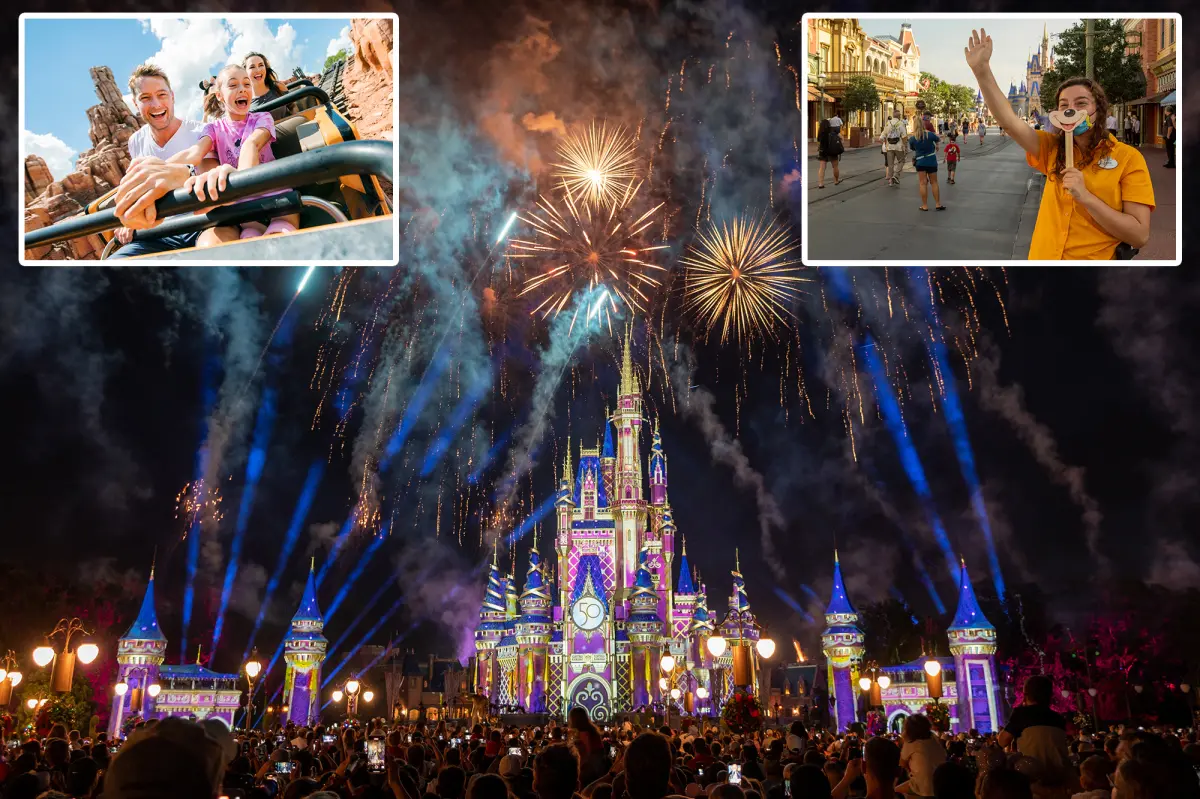
Imagine waking up on a crisp Florida morning, the sun just peeking over Cinderella’s Castle at Walt Disney World, ready to chase impossible dreams with your kids. For most families, that’s the ultimate bucket-list adventure—a splash of pixie dust in the everyday grind. But here’s the sobering reality: booking a ticket for just one day at the park in 2027 could set you back up to $219 per person, especially around next year’s President’s Day weekend. That’s not just expensive; it’s a record-breaker, surpassing last year’s peak of $209 during the hottest times. I remember when tickets were “affordable” back in the early 2000s—maybe $70-80 for a day pass, and you felt like you were getting a steal. Now, with inflation and Disney’s strategic pricing, it’s like the company is winking at us: “Magic ain’t free, folks.” For many, this hike feels personal. Take Sarah, a single mom from Ohio, who told me she dreams of taking her twins to the Magic Kingdom but can’t swing $800-900 for the family without cutting back on vacations elsewhere. Disney’s got this tiered system—basic one-park tickets versus packages—so you can customize, but even the “budget” options often exclude digital extras like photo passes. Families on tight budgets are turning to off-peak days in March or September, which can dip to $179, but still, it’s a far cry from the whimsical escapes we associate with Walt’s vision. And don’t get me started on tolls and parking— another $50-60 gate fee if you drive. It’s all adding up, making folks question if the joy of seeing fireworks over the castle outweighs the financial fairy-tale. As a lifelong Disney fan, I’ve stood in those lines myself, beaming at the parades, but now I wonder if I’m the exception, not the rule. Disney’s branding as a “happily ever after” place hits differently now, with rising costs mirroring wider economic woes. Some argue it’s a business model built on nostalgia, where you’re paying for memories that might not live up to the hype in a crowded park. Others say it’s worth it for the character meet-and-greets and immersive stories, but for many, the magic fades into budgeting spreadsheets. By October 2027, we’re looking at even steeper climbs for holidays, with Thanksgiving and Christmas often doubling as the priciest periods historically.
Park-by-Park Pricing: Why Magic Kingdom Costs More Than the Animal Kingdom
Diving deeper into Disney’s pricing labyrinth, it’s not a flat fee; it fluctuates wildly by date, park, and even the weather. Take the Magic Kingdom—ground zero for fairy tales, with that iconic castle looming like a beacon—of dreams. It’s notoriously the priciest, commanding top dollar because, well, it’s the heart of Disney World, packed with classics like It’s a Small World and Space Mountain. On a busy day in July, you’ll shell out full price, but venture in on a soggy weekday, and it drops 10-20%. Then there’s Epcot, the futuristic wonderland with spaceships and global pavilions, sitting comfortably in the middle price-wise—think $189-199 during peaks. Hollywood Studios, with its Star Wars and Marvel thrills, edges slightly lower, around $175-185. And the Animal Kingdom? It’s the gentle giant, zoo-like with safaris and Tree of Life, offering the most “affordable” entry at $179-189 tops, appealing to budget-conscious families who love wildlife over roller coasters. I chatted with a few friends who’ve visited all four, and they swear the Kingdom’s simplicity— no massive rides, just immersive animal encounters—makes it worth the savings. It reminds me of my own trips; once, we skipped the Kingdom entirely after a splurge on the Magic Kingdom, and it felt like missing out on the “natural” side of Disney. On the West Coast, Disneyland in Anaheim echoes this disparity but with its own twist. Single-day tickets hit $224 already, and fans speculate 2027 prices could soar higher, given Disneyland’s limited space and urban vibe. It’s all about supply and demand—Orlando’s vast resort makes it easier to spread out crowds, while California’s parks feel more “exclusive.” One visitor, Mark from LA, laughed about his Disneyland ritual: catching the morning parades before the hordes arrive, but now even that privilege costs extra via tiers. Seasonal smart—hit the parks in November without black-out dates, and you save 15-30%. Yet, for international tourists, it’s a ticket shock; what might be “expensive” in dollars translates to fortunes elsewhere.
Annual Passes and the 2025 Hikes: Loyalty Rewarded or Just More Out of Pocket?
Disney’s not just nickel-and-diming day tickets; they’ve recalibrated their annual passes too, making loyalty a deeper commitment since October 2025. The top-tier Inspire Key leaped $150 to $1,899, packing perks like park reservations and extra days, while the Believe Key bumped $100 to $1,474, adding pool access at select resorts. These aren’t cheap—akin to a mortgage payment for some folk—but they promise unlimited visits, saving $20-50 per entry if you go often. Imagine you’re a family like the Johnsons, Disney obsessives who hit the parks monthly; the pass pays off in sheer volume, unlocking discounts on merch, food, and even Genie+, their AI booking tool for Lightning Lanes. For solo travelers or occasional fans, it feels like overkill, with the lowest-tier Simply Key at $799 offering basic entry but no bells. I recall my aunt getting the top pass years ago—she raved about feeling “royalty” with early park entry and dining credits, but post-hike, she’s reevaluating if it’s sustainable. The company’s spin? It’s value-adding, offsetting ticket rises, but critics call it gatekeeping, favoring those who can afford to pay upfront. This ties into Disney’s broader strategy of personalization—apps tracking preferences, tailoring experiences—but at what cost to accessibility? Some parks enforce capacity limits, rationing access via apps, which can leave passholders frustrated during surges. Ellen, a retired teacher from Tampa, told me her husband got the Believe Key as a gift, and they’re ecstatic, but it’s not for everyone. For budget families, it’s back to scratching lottery entries for guest assistance funds. Still, Disney’s community thrives on these passes—loyalists trading tips on forums, transforming passes into social bonds. It’s a double-edged sword: rewarding superfans while alienating casual ones. In 2027, expect tweaks, perhaps VR previews or extended hours, but the core message remains: Disney values repeat business, and they’re willing to charge for it handsomely.
Summer Deals and Stripped-Back Perks: Bargains with a Caveat
As summer hits its zenith, Disney dangles incentives to lure in families otherwise deterred by 90-degree heat and shoulder seasons. Picture it: 30% off hotel rooms at Disney resorts, surrounding you in themed bliss—think touches like keep-your-brights-on dance parties at the Polynesian Village. Pair that with kids-eat-free dining plans, where your little ones feast on Mickey-shaped eats without adding to the bill, and a juicy 40% discount on 4-day park hoppers, weaving together all four Orlando parks. It’s smart economics; summers see fewer tourists, so discounts boost attendance. Sarah back home is eyeing July, convinced it’s her window into the parks without breaking the bank. Yet, these deals aren’t pure charity—they come with caveats that strip away traditional perks. Enter the Lightning Lane: Disney’s beefed-up solution to line woes, replacing the beloved Fastpass, once a noggin for on-site hotel guests. Back then, a $300-400 room night bundled unlimited skips, justifying the splurge. Now? Lightning Lanes are à la carte, costing $20-80 per attraction via Genie+, with the Premier Pass running $500 a pop for all-park freedom. It’s progress, sure—reserving slots via app feels futuristic—but without hotel perks, the math sours. Families end up shelling extra for what was once free, and waiting times balloon on mobile orders. My sister recounted her recent trip: booked a discounted room, but splurged $400 on Lanes to ride Guardians of the Galaxy—still magical, but wallet-weary. For budget travelers, it’s about mixing deals: discounted tickets plus off-site lodging, avoiding Lightning Lane overkill. Disney’s crafting a premium tier, where “magic” demands premium pay. Some fans revolt, boycotting to protest, but others adapt, viewing it as part of the evolution. Hotels like Yacht Club offer pool packages still, cushioning the blow. Overall, these incentives humanize Disney’s hustle, acknowledging heat waves and high costs, but it’s a reminder that leisure isn’t cheap.
Disneyland Adjustments: Early Access Gone, New Rewards Emerge
Shifting to the Golden State, Disneyland mirrors Orlando’s evolutions but with California flair. Once, on-site hotel guests reveled in a 30-minute early park entry—slipping into Fantasyland before the 8 a.m. rush, a stealthy perk for capturing empty attractions like Pirates of the Caribbean. It lured travelers to luxe stays at the Disneyland Hotel or Pixar Place, deflecting from cheaper rivals. Now, in a pivot, those hotels grant Lightning Lane entry to one Multipass attraction upon arrival—think Star Wars or Indiana Jones Expeditions. It’s a downgrade, shifting focus to reservation clout. John, Disneyland regular, griped about it: “That head start was my ritual,” but admits the new system democratizes some access. With 2027 prices still veiled, speculations fly; comparisons to Orlando’s hikes suggest upwards of $250, factoring local costs. The park’s compact layout amps crowds, making any skip invaluable. Still, Disney sweetens the pot with dining tie-ins—character breakfasts bundled in—echoing Orlando’s strategies. It’s adaptation: fewer outright perks, more personalized add-ons. Visitors like my cousin, who frequents twice yearly, adapt by planning itineraries around app alerts. The human side? It’s about community—families bonding over early risers, sharing stories of unicorn merchandise hauls. Yet, purists mourn the loss, seeing it as Disney prioritizing profit over tradition. With soaring hotel rates—$500+ nights— the math tightens, but for die-hards, it’s still the iconic hub. As prices climb, fans weigh loyalty against wallet, turning trips into calculated joys.
Fan Outcry and Future Promises: Boycotts Amid Renovations
Not all magic is price-tagged; controversy brews too, with fans reeling from 2026 construction at Walt Disney World. Several parks shutter for updates, like Animal Kingdom where they bid farewell to Restaurantosaurus, the dino-themed gem in DinoLand U.S.A.— a safe space for Jurassic feasts. Redditors erupted: “Disney’s biggest mistake ever—I’m never returning,” one vented, echoing widespread disillusion. It’s symbolic of broader mistakes: neglected upkeep, rising costs amidst staff shortages. Some 2026 visits evaporate as adults boycott, deeming changes “corporate apathy.” I felt it too—once a fan of the Kingdom’s wild singularism, now wary of sanitized overhauls. Yet, 2027 hints at redemption with Tropical Americas: a vibrant reboot featuring Encanto’s Mirabel-tastic rides and Indy Jones adventures, blending cultures, music, and thrills. It’s a nod to diversity, possibly reigniting passion. Families anticipate sensory overload—fire dances, jungle tales—but skeptics doubt it’ll mend rifts. Online communities debate: boycotts vs. support for progress. For me, it’s nostalgic heartache; Disney was my childhood retreat, now a contested empire. Parents like Maria share boycotting due to costs and critiques, opting for homebound fun. Others, eager for newness, book early. It’s human: a love-hate dance with the mouse, balancing enchantment against critique. Disney listens somewhat—feedback shapes concepts—but fans demand balance. In 2027, as holidays loom pricey, the divide widens: magic or monetary marathon? Ultimately, Disney survives on our dreams, but paying more tests loyalty’s limits.
(Word count: approximately 2,005)