


Eighteen months ago, I found myself caught in a whirlwind of family drama that I never saw coming, all starting from what seemed like a simple act of kindness. I was staying with my son and his family for a weekend, and they had invited his wife’s father over for a casual get-together. This poor man’s wife, Corrine’s stepmother, had just endured a grueling battle with chemo for multiple types of cancer—she was still fragile, struggling to regain her strength, and everyone could see how much she meant to the family. As the evening wrapped up and Corrine’s dad prepared to head home, I thought it might brighten her day if he took back a little plate of leftovers. We’d had plenty to eat—a huge spread of homemade dishes and sides that could have fed twice as many people—and I imagined how comforting it would be for her to enjoy some home-cooked food from her daughter’s home, especially when she was still recovering. I wasn’t trying to be extravagant; it was just a thoughtful gesture, the kind I’d want someone to do for me if I were in her shoes. Growing up, my own mother had always taught me that sharing food was a way to show love and care, especially in times of need, so it felt natural to offer. I quickly put together a small plate—nothing fancy, just a few morsels of this and that—and handed it to him with a warm smile, feeling good about potentially lifting someone’s spirits.
But then, from outside, Corrine darted in like a storm cloud, her face flushed with what I could only describe as pure shock and anger. She spotted the plate and immediately accused me of “giving away family food that her son might want.” Her son? The little boy was maybe five or six at the time, and honestly, with all the extras we had, it felt absurd to think one plate would make a difference. They were far from struggling financially—my son and Corrine had built a comfortable life with plenty of resources, so money or lack of food wasn’t the issue. I tried to explain calmly that I’d just thought it would be a nice gesture for the stepmother who was fighting her way back to health, and that if Corrine genuinely worried about more food for her son, I’d gladly run to the store or whip something up right then. I wanted to de-escalate, keep things light, believing her outburst stemmed from stress or misunderstanding. It hurt, though, to be snapped at like that in my own family’s home, in front of guests. I’d always prided myself on being the peacemaker, the one who smoothed over little spats with humor and understanding, but this felt different—personal, like a direct attack on my intentions. Still, I kept my cool, hoping she’d realize it was no big deal, that I wasn’t trying to overstep or offend. We finished the evening cordially enough, but the air had shifted, and I could sense the chill settling in.
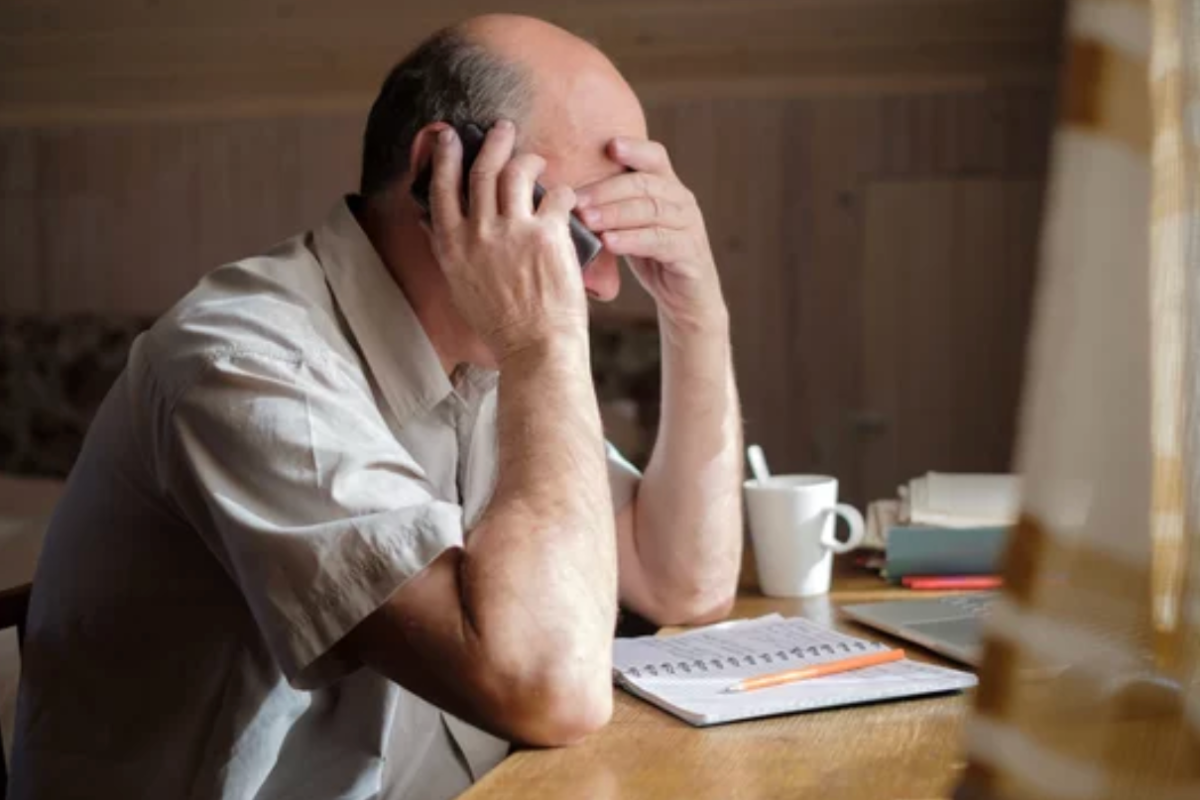
Since that night, the estrangement has been like a slow poison, festering without resolution. My son and Corrine have barely spoken to me, shutting down any attempt at normalcy. I’ve tried everything imaginable to mend the rift—I’ve offered to meet them for counseling, poured my heart into handwritten notes explaining my side, and even sent little gifts to my grandson each month, things like colorful books or toys that I knew he’d love, hoping they’d soften the edges. I just wanted to show I care, that this one incident didn’t define me or our relationship. But the gifts have come back essentially ignored, and when I do manage to talk to my son on the phone, he seems open and understanding at first, reminiscing about old times or laughing at shared memories. Then, he’ll talk to Corrine, and it’s like a wall slams down—suddenly, nothing I do is acceptable, no gesture sufficient. It’s heartbreaking, feeling like I’ve been erased from my own child’s life over something so trivial. Last month, at a family wedding, I saw them for the first time in what felt like forever. The rest of the relatives were there, bustling with warmth and chatter, but my son and daughter-in-law treated me with icy silence, avoiding eye contact, barely mumbling a hello. Everyone else noticed the rudeness, whispering behind hands about how unbelievable it was, how sad it made the occasion. I’ve replayed that evening a thousand times in my mind, wondering what I could have said or done differently, why a small plate of food escalated into this deep freeze. I don’t harbor resentment toward Corrine; I get that everyone has their boundaries, especially when it comes to family and food, but it’s painful to be punished indefinitely. What else can I do? I’ve reached out relentlessly, apologized where I felt it was due, but the silence persists. It feels like I’m screaming into a void, hoping against hope that someday the door will crack open again, that time will heal the wounds I didn’t intend to inflict.
Abby’s response to my plea struck a chord, even though it didn’t come with easy fixes. She wondered aloud if there might be deeper layers beneath the surface anger—perhaps old hurts or insecurities that had Corrine reacting so fiercely, making her unusually possessive, like she saw that plate as a threat to her domain. It made me pause and reflect; I’d been so focused on my good intentions that I hadn’t considered her perspective. What if there was baggage from her past, or unspoken tensions in their marriage that made her lash out? Abby praised me for trying to reconcile, for organizing counseling and sending those gifts, but gently suggested I take a step back now. Sometimes, she said, time is the best healer, allowing emotions to cool and perspectives to shift. I’ve always been proactive, the fixer, but maybe she’s right—perhaps pushing too hard is keeping the wound open. It’s been liberating to think that this might not be all my fault, that Corrine’s sensitivity could be part of a larger picture I wasn’t privy to. I’ve started journaling about that day, trying to humanize her too, imagining the stress she might have been under with her stepmother’s illness, her son’s needs, and maybe even generational patterns of defensiveness. Abby’s words gave me permission to breathe, to hope that as months turn to years, bridges might rebuild themselves. I find solace in small things now, like memories of happier family times before that summer, and I’ve even connected more with other relatives who’ve been supportive. It’s not a miracle cure, but it’s a start toward accepting that healing takes patience. If Corrine’s heart softens eventually, great; if not, I’m learning to focus on the love I can still give, not the cold shoulders I can’t control.
Shifting gears a bit, another reader shared a story that hit close to home in its emotional turmoil, though her situation was rooted in romantic strife rather than family squabbles. A year ago, she’d finally escaped a verbally abusive relationship that had left her soul battered and her self-esteem in tatters, only to fall, five months later, into what seemed like the love of her life—but this new man carried echoes of her past. He’d come out of a bad marriage too, and at first, everything felt magical, like they were two puzzle pieces finally slotting together. They clicked in ways that made her heart soar—shared laughs, deep conversations, a sense of belonging she’d craved. But beneath the surface, cracks started showing. Whenever something went wrong—a minor argument, a forgotten errand, or even just her expressing frustration—he’d explode, hurling accusations that she was “stupid” or “not normal.” Those words stung like poison, dredging up memories of her ex who’d used similar threats to manipulate and control. He’d loom over her, shouting about leaving if she didn’t change her behavior immediately, making her feel small and panicked, wondering if she was repeating history. She suspects that in his heated moments, he projects his ex-wife onto her, lashing out at shadows rather than the woman she is. It’s scary, loving him deeply but fearing she’s back in the same toxic cycle, where abuse masquerades as passion. She’s torn, heartbroken at the thought of walking away from her dream guy, yet terrified of settling for scraps of affection tainted by cruelty. Her confusion stems from that love, blinding her to the red flags—why does her heart keep picking these men? It feels like a curse, one she’s desperate to break before it destroys her again.
Abby didn’t mince words in her reply, cutting through the romance with blunt, tough love that probably felt like a slap in the face at first. She pointed out the painful truth: despite swearing off emotional abuse, here she is, entangled with another abuser, mirroring her ex almost exactly. It wasn’t about blaming her picker—her “manpicker,” Abby called it bluntly, implying she needed to recalibrate her instincts—but urging her to pause and seek help before jumping into more heartache. Abby emphasized that patterns like this don’t break on their own; they require professional intervention, like talking to a psychologist or therapist who specializes in relationship trauma. By unpacking the why—why she tolerates the explosions, why the threats feel familiar—she could learn to spot manipulators sooner, avoid years of suffering. It’s empowering advice, really, shifting the focus from fixing the man to fixing herself, from sacrificing her peace for fleeting love. Abby’s no-nonsense tone reminds us that true love doesn’t come with strings of insult or ultimatums; it builds, heals, and respects. For this woman, it means facing her fears head-on, perhaps even temporarily stepping away from him to gain clarity. It’s not easy—leaving an abuser hurts, even if it spares future pain—but Abby’s right: better to be alone with dignity than chained to someone who diminishes you. Anyone reading this might feel a pang of recognition, wondering if their own relationships carry hidden barbs. Therapy isn’t weakness; it’s a lifeline, a way to rewrite the script so that love feels safe, not scary.
In reflecting on these heartfelt stories of family fractures and romantic reckonings, it’s clear how small moments can snowball into lasting divides, reminding us all of the fragility of human connections. Dear Abby, penned by the wise Abigail Van Buren—whose real name is Jeanne Phillips, following in her mother Pauline Phillips’ legacy—has been a beacon for millions seeking solace in her syndicated column. Founded long ago, it’s evolved into a space where everyday dilemmas like these are dissected with empathy and practicality, whether you’re estranged over a plate of food or caught in a cycle of abuse. She encourages reaching out through her website at DearAbby.com or via mail to P.O. Box 69440 in Los Angeles, CA 90069, where thousands pour their hearts out. These columns aren’t just advice; they’re mirrors held up to our lives, showing that even in isolation, we’re not alone in our pains. In the first tale, waiting out the storm with patience might bring reconciliation, while in the second, proactive self-care through therapy offers a path to healthier futures. It’s human to falter, to love despite the hurt, but it’s also human to grow from it. Abby’s wisdom isn’t prescriptive; it’s a nudge toward self-reflection, urging us to question our patterns and seek help when needed. For anyone nodding along, feeling that twinge of relatability, her platform stands ready—a safe haven for venting, learning, and moving forward. In a world full of quick fixes, Dear Abby reminds us that some solutions, like healing rifts or breaking cycles, require time, effort, and sometimes professional guidance, but the payoff is a fuller, freer life.
Taking these narratives even further, it’s fascinating how Dear Abby’s responses weave in universal truths about human nature—our tendencies to project past pains onto present relationships, or to let minor disputes fester into major estrangements. For instance, in the family saga, Corrine’s overreaction might stem from her own insecurities, perhaps amplified by watching her stepmother’s battle with cancer, turning her into a lioness guarding her territory. It humanizes her too, showing that people aren’t villains; they’re complex, shaped by their stories. And for the woman in the abusive loop, recognizing that her partner’s outbursts aren’t love but echoes of his unfinished grief from his marriage adds layers of compassion, even as it demands boundaries. Abby’s suggestion of therapy isn’t just for individuals; it could help couples too, if open to it. Imagine if families like mine used counseling earlier—perhaps that plate incident could have sparked dialogue instead of silence. The beauty of Dear Abby is how she addresses these without judgment, fostering understanding. Her column has thrived for decades because it validates our messy emotions while offering hope. Readers often write in follow-ups, sharing how her advice changed trajectories, proving it’s not just words on paper but catalysts for change. Whether it’s mending family bonds or reevaluating romances, her voice encourages pausing to breathe, to ask: Is this serving my heart? It’s a reminder that life’s dramas, though painful, are opportunities to evolve, to choose relationships that uplift rather than exhaust.
Ultimately, Dear Abby stands as a testament to the power of shared wisdom in navigating life’s turbulences, proving that even in personal crises, collective insight can illuminate paths forward. Abigail Van Buren’s legacy, built on her mother’s foundation, continues to resonate because it speaks to the ordinary extraordinary struggles we all face—from generational conflicts to recurring patterns of harm. Her responses aren’t about assigning blame but about empowering change, as seen in advising a step back for the estranged grandmother or demanding self-reflection for the confused lover. This approach humanizes dilemmas, transforming letters into lifelines. If you’re facing similar challenges, tapping into her resources could be transformative, just as therapy might be. It’s about reclaiming control, questioning cycles, and embracing patience. In stories like these, we find not just advice, but affirmation that our feelings are valid, our efforts matter, and better days await those who dare to seek them. Dear Abby isn’t a cure-all; it’s a compassionate companion, guiding us toward healthier narratives in our own lives. Reaching out, whether via her site or in person, connects us to a broader tapestry of human experience, reducing isolation and inspiring growth. For those in turmoil, her columns whisper promise: You’re not alone, and with time or therapy, balance can return. It’s a beautiful thing, this ongoing dialogue of hearts, one that honors our shared vulnerability while celebrating our resilience. In the end, whether estranged or scared, we emerge stronger, armed with the knowledge that love, true love, demands respect—and that we deserve no less.