



Taco Bell’s Quesarito Returns: A Holiday Gift Dividing Fast-Food Nation
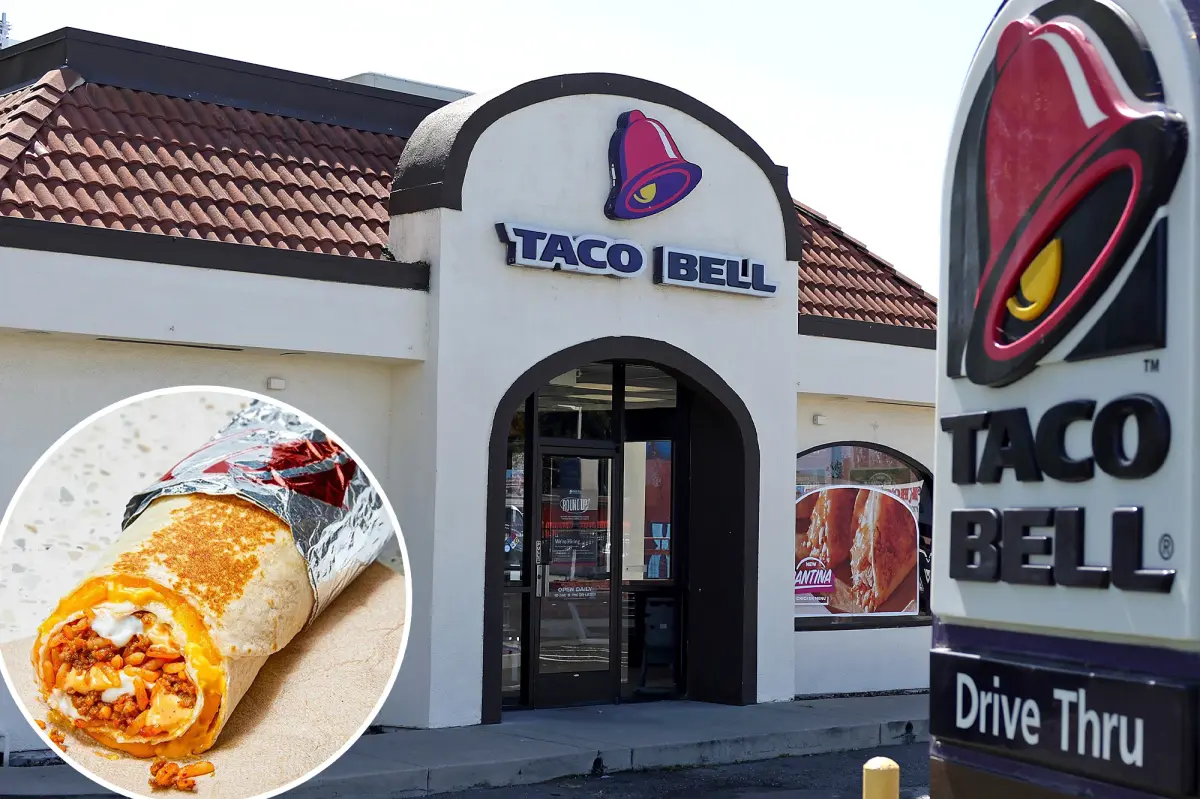
The fast-food world is experiencing what many are dramatically calling “a Christmas miracle” as Taco Bell announced the nationwide return of its beloved Quesarito on December 18. This cult-favorite item—an indulgent creation featuring a beef, rice, chipotle sauce, and sour cream burrito wrapped inside a cheese-laden grilled quesadilla—has sparked an emotional response across social media. The Mexican-inspired chain is bringing back the classic recipe exactly as fans remember it, though availability may vary by location and supplies are limited. Priced at $4.99 (with regional variations), Taco Bell is also offering an app-exclusive promotion where the first 30,000 rewards members can score a $1 Quesarito during a special drop on December 23. “We heard our fans loud and clear,” said Luis Restrepo, Taco Bell’s chief marketing officer. “Their passion turned the Quesarito into a Taco Bell legend, and bringing it back for the holidays felt like the perfect way to celebrate that energy.”
The Quesarito’s return comes with an interesting backstory involving NBA star Nikola Jokić of the Denver Nuggets. In a peculiar twist of fate, Jokić’s 2014 NBA draft selection was overshadowed by a Taco Bell commercial announcing the Quesarito’s original launch. While the future MVP’s name only appeared on the ticker, the Quesarito took center stage on screens nationwide. This quirk of timing created an unexpected connection between the Serbian basketball star and the Mexican-inspired menu item—one that Jokić hasn’t forgotten. When recently invited to finally try Taco Bell and its returning Quesarito, “The Joker” responded with a polite but firm, “No. It’s nice they’re finally apologizing. But no.” The chain has playfully acknowledged this unusual history, with Restrepo adding, “Jokić, we hope there are no hard feelings,” in his official statement.
The announcement has unleashed a wave of emotion from Taco Bell enthusiasts who have been campaigning for the Quesarito’s return since it disappeared from menus in April 2023. Social media platforms have been flooded with dramatic declarations of joy and relief. “It’s a Christmas miracle!” exclaimed one Instagram user, while another asked, “Do you even know how long I’ve been waiting for this?” The passionate response demonstrates the deep connection some consumers feel with their favorite fast-food items, elevating them from mere menu options to cultural touchstones worthy of celebration. This phenomenon is particularly interesting given the relatively short lifespan of the Quesarito—it had already been relegated to app-exclusive status for several years before being removed completely last year.
Despite the enthusiasm from many quarters, the Quesarito’s return has not been met with universal acclaim. A significant contingent of Taco Bell fans used the announcement as an opportunity to advocate for the restoration of other discontinued favorites. Social media comments quickly filled with nostalgic pleas for items like the Volcano Menu, the Beefy Fritos Burrito, and the Grilled Stuft Nacho. The announcement also drew criticism from those questioning why the item was removed in the first place. “Should’ve never taken it off to begin with,” complained one user, while another remarked, “Took ya long enough.” Some consumers reported pricing discrepancies, claiming the Quesarito was closer to $6 at their local restaurants—a point of frustration in the current economy where value remains a top priority for fast-food consumers.
Perhaps most tellingly, numerous commenters begged Taco Bell to make the Quesarito a permanent menu fixture this time around. The company’s cryptic response to such requests—simply stating “We’ll see”—highlights the strategic ambiguity fast-food chains often employ with limited-time offerings. This approach creates both excitement and anxiety among dedicated customers, driving immediate sales while building anticipation for future returns. The Quesarito saga demonstrates how fast-food chains have mastered the art of menu rotation, creating emotional investment in specific items that transcends their basic culinary value. By removing and reintroducing popular items, restaurants can generate marketing momentum and social media buzz that would be difficult to sustain if these products remained permanently available.
The Quesarito’s holiday homecoming illustrates the complex relationship between consumers and fast-food brands in today’s social media landscape. What might seem like a simple menu addition represents something far more significant to the dedicated Taco Bell community—a validation of their collective voice and online campaigning. Meanwhile, the chain benefits from the organic publicity generated by passionate customers sharing their excitement across platforms. Yet this return also highlights the double-edged sword of limited-time offerings: while they create momentary jubilation, they simultaneously plant the seeds of future disappointment when the item inevitably disappears again. As consumers increasingly expect brands to listen and respond to their desires, Taco Bell’s acknowledgment of customer demand represents a savvy marketing strategy—one that transforms a simple burrito-quesadilla hybrid into a cultural conversation piece capable of generating headlines, dividing opinion, and even intersecting with the world of professional sports. Whether you’re rushing to your nearest location or rolling your eyes at the hype, the Quesarito’s return demonstrates the surprising emotional power of fast food in American culture.