


The Controversy Surrounding “It’s a Wonderful Life”: A Modern Examination
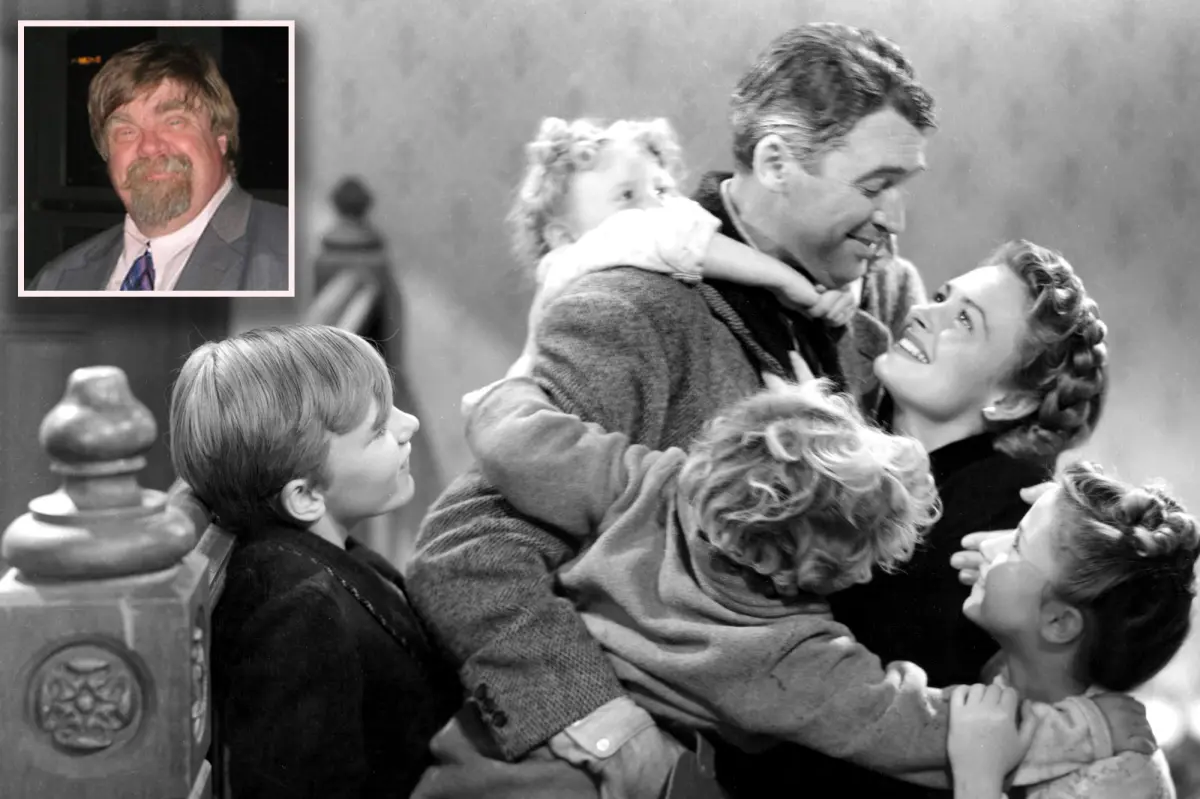
In the realm of beloved holiday classics, few films hold as cherished a place as “It’s a Wonderful Life.” Directed by Frank Capra and starring James Stewart as the despairing George Bailey, the film has warmed hearts since its release in 1946. However, recently, the film has become the subject of academic scrutiny that has sparked heated debate across the cultural landscape. James Deaville, a music professor at Carleton University in Canada, has raised eyebrows by suggesting that this cherished Christmas tale contains subtle racial messaging embedded in its soundtrack and setting. His analysis focuses particularly on the musical choices that differentiate Bedford Falls from its dystopian alternative, Pottersville, and what these choices might reveal about racial attitudes of the era.
The film’s storyline follows George Bailey, a man who has sacrificed his dreams for the good of his community. On Christmas Eve, facing financial ruin and legal troubles, George contemplates ending his life. Divine intervention arrives in the form of Clarence Odbody, his guardian angel, who shows George how profoundly his existence has touched the lives of others by revealing what Bedford Falls would have become without him—the seedy, corrupt Pottersville. This powerful narrative about the value of each human life has resonated with audiences for generations, earning the film a place on the American Film Institute’s list of the 100 best American films ever made. Despite this acclaim, Deaville’s critique asks viewers to listen more carefully to what might be conveyed through the film’s sonic landscape.
According to Deaville, the musical choices in the film carry significant cultural weight. “Listen and pay attention to the sounds of the movie and that’s where the racism lies, in the music,” he explained in an interview. He points out that Pottersville—portrayed as morally corrupted and dangerous—is characterized by boogie-woogie and jazz sounds, musical styles with roots in Black American culture. In contrast, Bedford Falls—the wholesome, ideal American town—is musically represented by “Buffalo Gals,” which Deaville describes as “a white traditional standard.” This contrast, he suggests, creates a problematic association between Black musical traditions and moral decline, while linking white cultural expressions with virtue and community values. Furthermore, Deaville notes that Bedford Falls is predominantly white, with limited representation of people of color, reinforcing the period’s segregated vision of an ideal American community.
The professor’s analysis extends beyond just musical choices to include broader criticisms of the film’s director, Frank Capra, whom he characterizes as having held racist views. This assessment of Capra adds another dimension to the examination of the film, suggesting that the racial messaging wasn’t merely an unconscious product of the era but potentially had more intentional underpinnings. While Deaville acknowledges the film’s artistic and cultural significance, his critique asks audiences to engage with these beloved classics with a more critical eye, recognizing how even seemingly innocent creative choices can reflect and perpetuate problematic social attitudes. His perspective invites a conversation about how we can appreciate influential works from earlier eras while also acknowledging their limitations and the ways they may have reinforced harmful stereotypes.
The reaction to Deaville’s analysis has been swift and polarized, highlighting the tensions that arise when beloved cultural touchstones are subjected to contemporary social criticism. Some cultural commentators, particularly those with conservative viewpoints, have expressed outrage at what they perceive as an attempt to tarnish a treasured piece of Americana. Conservative writer Matt Margolis voiced his frustration, stating he was “beyond furious” at the suggestion that the film contains “secret racial and bigoted ideas.” This response reflects a broader cultural debate about how we should engage with art from different time periods—whether we should primarily evaluate works within their historical context or subject them to evolving standards of social awareness and inclusivity.
In the final analysis, the controversy surrounding “It’s a Wonderful Life” illustrates the complex relationship between art, history, and evolving social consciousness. While the film remains a powerful story about human connection, community values, and the profound impact of individual lives, Deaville’s critique reminds us that no cultural product exists in a vacuum—each carries the imprints of its time, including its biases and blind spots. As we continue to cherish films like “It’s a Wonderful Life” for their artistry and emotional resonance, we might also consider what they can teach us about how far our society has come in its understanding of representation and inclusion, and how far we still have to go. Perhaps the greatest strength of enduring art is not that it remains unchanged in our estimation, but that it continues to prompt meaningful conversation as our society evolves, allowing each generation to engage with these works through their own lived experiences and contemporary understandings.