


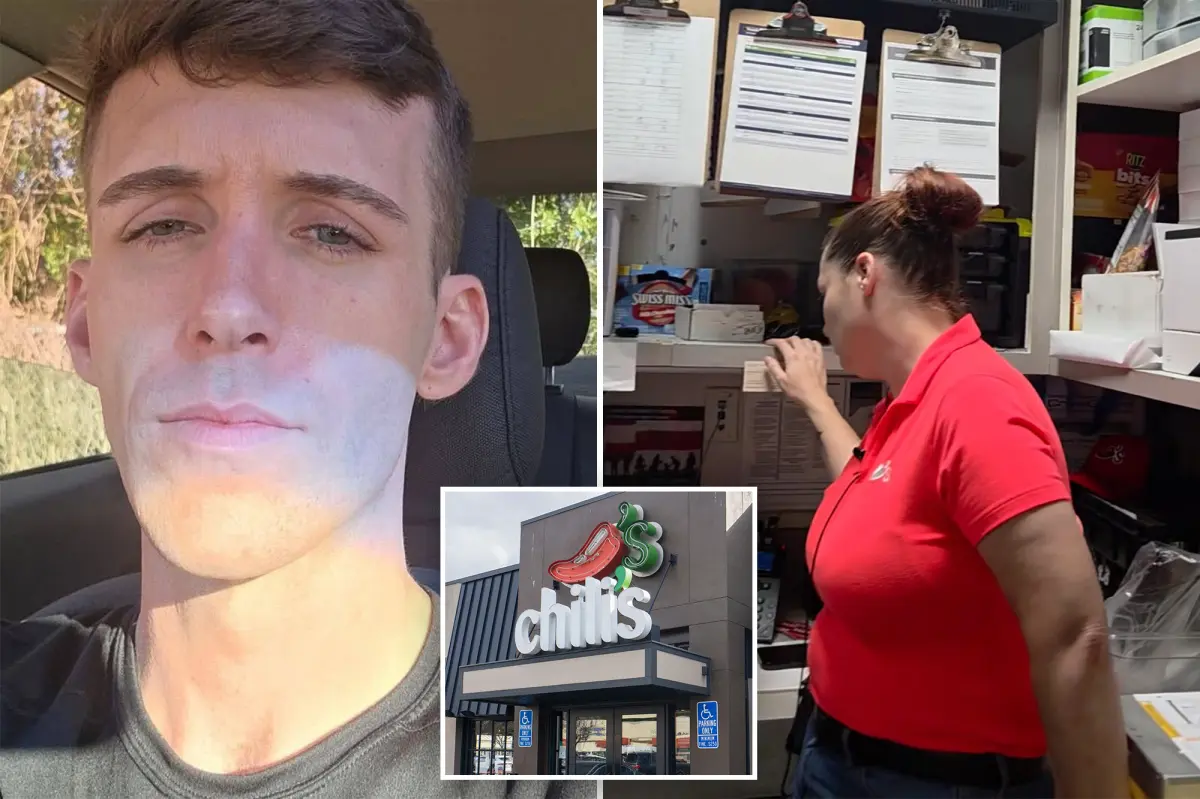
In today’s hyper-connected world, a simple workplace dispute can transform into a viral culture war overnight. Such was the case in Denham Springs, Louisiana, where a former Chili’s Grill & Bar employee named Wesley Kirk Ford Jr. took to social media to announce his sudden termination. On a Saturday afternoon, Ford posted a message on Facebook claiming he was fired simply for referring to a nonbinary colleague by their legal, government-given name rather than their preferred identity. The post quickly gathered steam, tapping directly into the highly charged national debate surrounding gender identity, personal expression, and free speech in the modern workplace. Within hours, a local restaurant disagreement became fodder for a much larger public conversation.
Hoping to share his side of the story and rally support, Ford followed up his text post with a passionate video. He explained to his viewers that the conflict arose when he refused to refer to his coworker by their chosen name, which he identified as “Fish.” Expressing a mixture of disbelief and defiance, Ford claimed he had a spotless employment record and had never been disciplined or fired in his life. “I’m not participating in that s— anymore,” he declared in the video, explaining that he had decided to draw a line in the sand regarding language and identity politics. He expressed a desire to find a first amendment or civil rights attorney to challenge the decision, framing his firing as a direct assault on his personal beliefs and right to free speech.
However, Chili’s Grill & Bar quickly stepped forward to present a very different version of events, steering the narrative away from a debate over pronouns and back to basic workplace safety. In a statement addressing the viral fallout, a corporate spokesperson clarified that Ford’s termination had nothing to do with a simple disagreement over a name, but was instead the result of a severe pattern of workplace harassment. According to the restaurant chain, Ford’s actions on that day were not a quiet act of personal conscience but a loud, disruptive campaign of intimidation that ultimately left his coworker unable to complete their shift.
The company’s statement painted a picture of a hostile work environment where Ford repeatedly targeted his coworker despite being warned by management to stop. According to Chili’s, Ford’s behavior went far beyond a passive refusal to use a preferred name; instead, he allegedly engaged in excessive, unnecessary, and aggressive mockery designed specifically to provoke and humiliate his colleague. The restaurant chain emphasized that they gave the former employee multiple opportunities to correct his behavior and de-escalate the situation, but he flatly refused to cooperate, leaving management with no choice but to terminate his employment to protect their staff.
By releasing these details, Chili’s sought to reinforce its core corporate values, reminding the public that creating a safe, respectful space for both staff and patrons is their highest priority. The spokesperson reiterated that bullying, harassment, and intentional disrespect have no place in their restaurants and violate the company’s strict code of conduct. They emphasized that every employee, regardless of how they identify, deserves to earn a living without being subjected to targeted hostility or emotional distress. For the restaurant, the decision was not about policing political views, but about enforcing standard corporate policies that protect workers from being bullied on the clock.
Ultimately, this incident highlights the delicate friction between personal beliefs and professional decorum in the modern era. While Ford viewed his termination as a violation of his individual rights and a forced participation in ideology, his employer saw it as a straightforward case of keeping the peace and maintaining a professional atmosphere. As workplaces continue to navigate the evolving language of identity, this clash serves as a stark reminder of where corporate America is drawing the line: personal philosophy is one thing, but when it crosses over into persistent workplace disruption, businesses will choose the safety and well-being of their team every time.