


Imagine a future where the legendary golden landscapes, whispering pine forests, and sun-drenched valleys of California become even more accessible, woven directly into the daily lives of its diverse residents. This beautiful dream is steadily moving toward reality as California State Parks embarks on a historic journey to introduce three spectacular new sanctuaries to its already world-renowned public land system. To make this grand vision truly representative of the people who will eventually walk its trails, rest under its trees, and find solace in its quiet corners, the state has launched the “State Parks Forward Survey,” warmly inviting residents from all walks of life to share their personal hopes, ideas, and desires for these upcoming spaces. Hosted as a key component of this visionary expansion, this community-driven digital survey is open to the public until September 4, taking just five to ten minutes of a participant’s day to complete. It represents a profound, democratic shift in how we design public lands—moving far away from distant, cold, top-down bureaucratic planning and moving toward a deeply humanized, collaborative approach where the citizens themselves act as the co-creators of their collective natural heritage. Whether you have lived in the Golden State for generations, worked its fertile lands, or recently arrived with fresh dreams, this is a rare, open invitation to help shape the physical and cultural landscape of tomorrow. By offering feedback on one, two, or all three of the proposed locations, everyday citizens have the unique power to influence everything from basic recreational amenities to the preservation of local history, transforming raw acres of land into deeply meaningful places of healing, gathering, and quiet reflection.
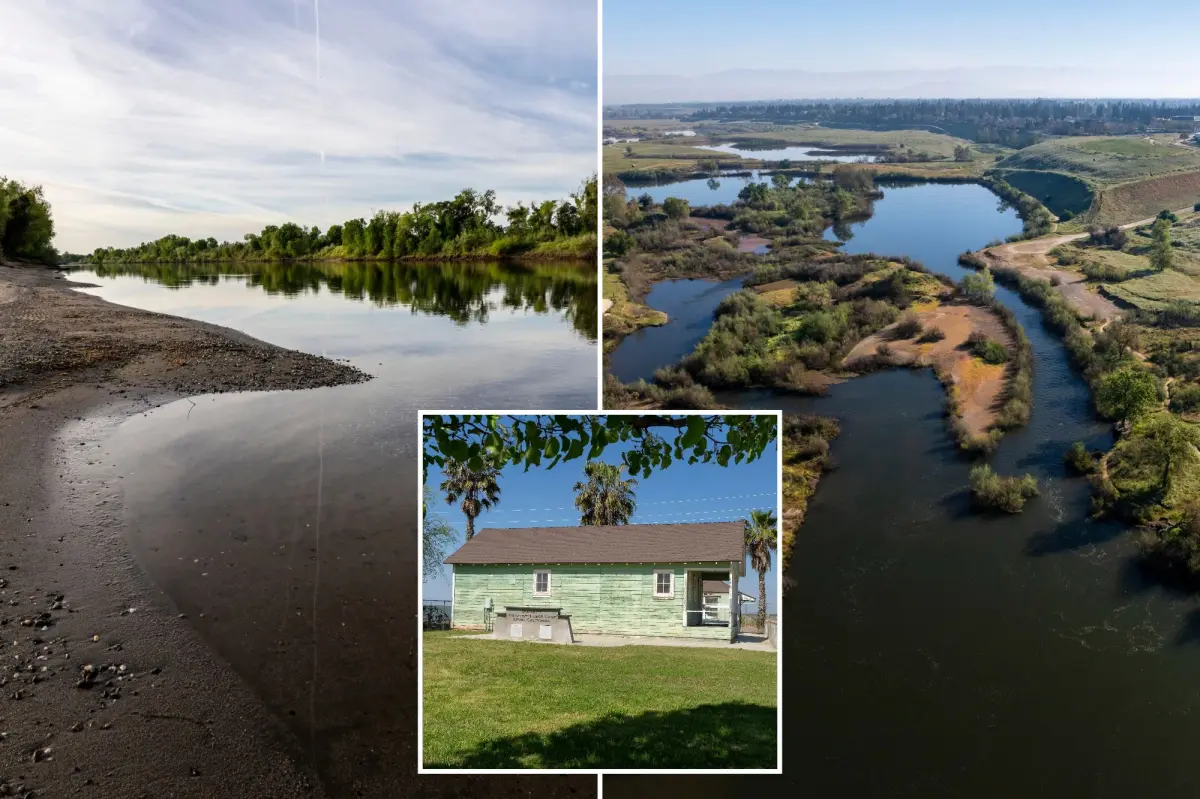
At the absolute heart of this exciting expansion is California’s majestic Central Valley, a sprawling agricultural powerhouse that has long served as the literal and figurative backbone of the state’s economy, yet has historically lacked the same abundant, easy access to state parks enjoyed by coastal regions. The three proposed destinations—Dust Bowl Camp in Bakersfield (Kern County), the San Joaquin River Parkway (spanning both Fresno and Madera counties), and Feather River Park in Olivehurst (Yuba County)—aim to bridge this geographic divide, bringing much-needed green sanctuaries directly to these hardworking, vibrant inland communities. For too long, the families, laborers, and residents of the Central Valley have had to travel long, exhausting distances to experience the restorative peace and beauty of a state-managed park, but this new initiative promises to bring the wonders of nature right to their doorsteps. Each site offers a unique geographic, ecological, and cultural footprint that will enrich the surrounding communities: the San Joaquin River Parkway promises to carve out scenic, shaded riverfront corridors where locals can escape the intense summer heat, while Feather River Park in Yuba County will breathe new life into Northern California’s riparian landscapes, offering fresh hiking trails, fishing spots, and tranquil vistas. These planned developments are not merely patches of grass, trees, and dirt on a map; they represent vital investments in environmental justice, public health, and community well-being, designed specifically to provide safe, clean, and beautiful outdoor spaces where children can safely play, families can gather for weekend celebrations, and individuals can find quiet solace in the gentle rustle of leaves and the soothing flow of fresh water.
Among the three planned locations, Dust Bowl Camp holds an incredibly profound, emotional, and historic connection to the deeper cultural tapestry of American history and literature. Located in Bakersfield, this historic migrant camp served as the real-world, gritty inspiration for John Steinbeck’s legendary 1939 novel, The Grapes of Wrath, a timeless masterpiece of empathy, human dignity, and social realism that went on to win the prestigious Pulitzer Prize for Fiction in 1940. By transforming this historic site into a protected state park, California is committing to an act of deep cultural remembrance, ensuring that the struggles, dignity, and ultimate resilience of the Dust Bowl migrants and agricultural farmworkers are never forgotten. While the precise details of how the park will honor this rich heritage are still being developed—which is one of the key reasons public input through the survey is so desperately needed—the ultimate vision is to create a living, breathing monument to human endurance and hope. Visitors to the park will not only be able to enjoy the natural, sun-drenched beauty of the Kern County landscape, but they will also walk the very ground where thousands of displaced families once sought refuge, built tight-knit communities, and looked for a second chance at life during one of the nation’s darkest economic eras. It is a beautiful, rare opportunity to seamlessly blend historical education with outdoor recreation, teaching future generations of Californians about the tireless human hands that built the state’s agricultural empire, while simultaneously providing a peaceful, sacred space to reflect on our shared journey toward a more compassionate and equitable society.
The addition of these three highly anticipated sites will elevate California’s already legendary network of state parks to an astronomical total of 238 parks, firmly cementing its status as a national pioneer in public land conservation, ahead of other nature-rich states like Washington and New York, which boast approximately 212 and 180 to 215 parks respectively depending on how they are classified. First announced by Governor Gavin Newsom during a momentous Earth Day celebration in April, this ambitious project represents a massive leap forward in the state’s broader “State Parks Forward” initiative, which aims to expand California’s protected parkland by an astonishing 30,000 acres by the very end of this decade. In his passionate announcement, Governor Newsom highlighted that this project is about far more than just increasing numbers on a bureaucratic ledger; it is about deepening our conservation commitments, creating equitable outdoor recreation opportunities for historically underserved Central Valley communities, and safeguarding the state’s precious natural resources for generations to come. This massive undertaking reflects a growing, vital global understanding that regular access to nature is not a luxury reserved for the privileged, but a fundamental human right essential for mental, physical, and emotional health. By dedicating millions of dollars and thousands of acres to conservation, California is setting a powerful precedent, proving that even in a rapidly modernizing and industrializing world, we can actively choose to prioritize the earth, protect biodiversity, and create spaces where humanity and nature can coexist in perfect, peaceful harmony.
In a fascinating and brilliant twist of modern urban planning, two of the proposed parks—Dust Bowl Camp and the San Joaquin River Parkway—are strategically situated near or along the highly anticipated and often debated California High-Speed Rail corridor, creating a historic intersection between cutting-edge green transit and ecological preservation. Though the ambitious high-speed rail project has faced its fair share of political, financial, and logistical turbulence, including a staggering federal funding withdrawal of four billion dollars during the Trump administration, construction on the vital Merced-to-Bakersfield Initial Operating Segment is actively marching forward, with a projected service date of 2032. Once operational, this high-speed line will completely revolutionize travel across the state, eventually connecting San Francisco to Anaheim in its first phase, and ultimately reaching Sacramento and San Diego in its second. By placing these gorgeous new parks in close proximity to the rail line, planners are designing a future where a family can hop on a clean-energy train in a bustling coastal metropolis and step off directly into a tranquil river parkway or a historic campsite in the heart of the Central Valley. This forward-thinking integration of public infrastructure and nature democratizes access to the outdoors like never before, offering a sustainable, car-free pathway for millions of urban Californians to explore the majestic, open spaces of the Central Valley, while simultaneously boosting the local economies of the welcoming communities hosting these new state gems.
Ultimately, the true success of these three new state parks rests not in the hands of distant politicians, landscape architects, or engineering firms, but in the heart of the community itself, making your participation in the ongoing survey an act of genuine civic love and stewardship. A park is so much more than its physical boundaries, its soil, or its trees; it is a blank canvas of collective memories waiting to be painted, a sanctuary where future generations will watch their children take their first steps, learn to fish, or discover the wonders of California’s rich history. By taking a few brief, thoughtful moments before the September 4 deadline to share your thoughts, you are injecting your own humanity, your family’s needs, and your personal dreams into the very soil of these future parks, ensuring they become places of true safety, belonging, and joy for everyone. Let us seize this rare, powerful opportunity to co-create a greener, more inclusive, and deeply connected California, where history is honored, precious nature is protected, and every single resident has a place under the sun to breathe easy and find peace. Together, we can help build a lasting legacy of stewardship and beauty that will echo through the decades, proving that when we invest in our land and invite the community to guide the way, we are ultimately investing in the well-being, happiness, and unity of each other.