

The Curious Case of “Jessica”: A Mom’s Secret Weapon Against Toddler Tantrums
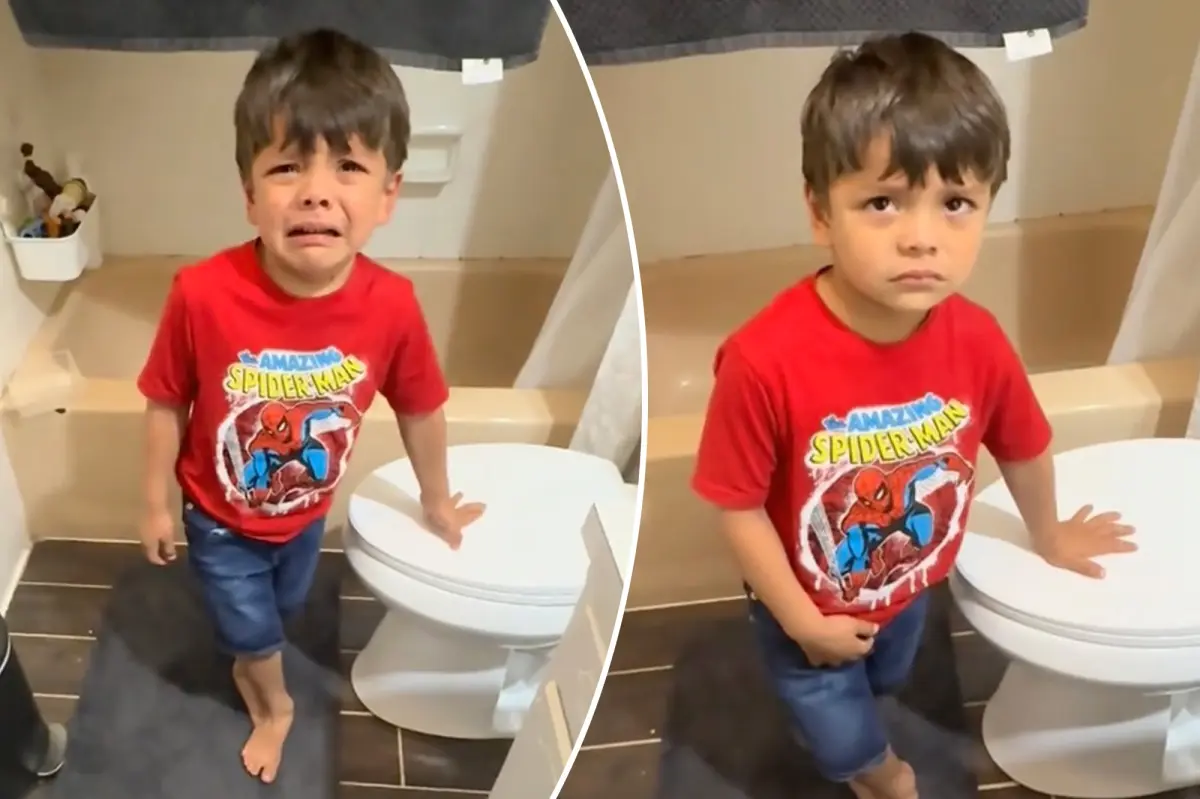
Oh boy, let me tell you, as a parent who’s been there, done that, and probably cried in the laundry room during my kid’s meltdowns, I’ve seen some wild hacks pop up online. But this one? Calling out the name “Jessica” to silence a screaming toddler? It’s straight-up hilarious and oddly brilliant. Picture this: Your little one is in full tantrum mode—face red, fists clenched, wailing like the world is ending over a dropped sippy cup. You shout “Jessica!” and poof, they stop, look around all confused, cocking their head like a puppy hearing a strange noise. And just like that, your sanity gets a breather. It’s started a viral sensation on social media, with parents everywhere whipping out their phones to capture the magic. I mean, who knew a single word could derail a meltdown so effectively?
What’s fascinating is how this trend exploded across TikTok, Instagram, and Facebook. Moms and dads are sharing clips of their toddlers mid-brawl, where the unexpected shout turns chaos into calm. One video that cracked me up was from Tiffani Ortega, a Florida mom, who posted about strapping her 2-year-old son into the car seat after a park visit—kid was bawling his eyes out, heart-broken over leaving the playground. Her husband leans in and yells “Jessica!” Boom, silence. Waterworks off, just like flipping a switch. Ortega told Today.com she couldn’t believe it; without that trick, the whole car ride home would’ve been a symphony of sobs. It’s not just one isolated case, either. Evanthia Davis, a mom from California, shared her own footage: Her toddler hysterically crying, then “Jessica” gets called out, and the kid freezes mid-wail, eyes darting around like, “Who the heck is that?” She captioned it with excitement, saying this was her new go-to method for any tearful outburst. Another parent on TikTok confessed she’d done it three times in a row, and every time it worked—she’d say it, and the kid would magically stop crying, searching for the nonexistent Jessica. It’s become such a staple that “Jessica” is the poster-child name, but folks report that any random name, like “Bob” or “Susan,” does the trick too. As a busy parent juggling playdates and nap schedules, I can totally see why this feels like a game-changer—quick, easy, and doesn’t involve bribing with candy or long explanations.
Diving deeper, the science behind it all is pretty cool and makes total sense once you think about toddler brains. Dr. Deborah Gilboa, a family physician and resilience expert, broke it down on Today: Toddlers are laser-focused during tantrums because they’ve got that object permanence thing down. You know, they remember things even if they’re out of sight—like that toy you just took away. Their brains lock onto the upset, amplifying it into a full-blown storm. But shouting something totally unexpected, like “Jessica,” acts as a “pattern interrupt.” It’s like hitting pause on their emotional loop. The surprise jolts them out of hyper-focus, giving their little minds a second to reset and wonder what’s going on. Gilboa explains it’s that “wait, what?” moment that shifts attention, and for a fleeting second, the meltdown loses its grip. I love how she points out that even in toddlers, the brain is wired to assess new situations for safety or risk—no name like that in daily routine signals a potential environmental change. It’s not permanent peace; it’s just a brief window to swoop in with empathy or distraction. As someone who’s tried everything from sing-alongs to deep breathing (for myself), this hack feels like a thoughtful nudge toward better parenting.
Let’s talk psychology for a sec, because wow, does this hack reveal a lot about kids’ development. Child psychiatrist Dr. Willough Jenkins nailed it in a TikTok video: During a tantrum, toddlers pour energy into whatever’s bugging them, like it’s the only thing in the world. Calling out an out-of-context name breaks the cycle—just a flash of confusion, and bam, attention diverted. She emphasizes that this pause isn’t the endgame; it’s your cue to connect. Validate those big feelings: “I see you’re upset about the toy—let’s talk about it” or distract with a funny face. Jenkins stresses that unexpected shifts play to our inborn curiosity, making kids look out for novelty. It’s why kids perk up at unusual sounds or sights even as babies. I remember my son at that age—melted down over naptime, but a silly voice saying “Jessica” would get a giggle instead of more tears. Experts warn it’s tied to timing and surprise; too predictable, and it flops. Gilboa adds that as kids learn the pattern, they’ll catch on and ignore it, rendering “Jessica” useless. It’s a temporary tool, reminding us parents to use it wisely without over-relying.
Of course, not every name or shout works for every kid, and variations are key. While “Jessica” rules the viral roasts, some parents mix it up—trying uncommon words like “Gallup” or even made-up names that sound mysterious. The core is unpredictability, but timing matters too. Experts say catch the tantrum early, before it escalates, for the best effect. If a child has a history of issues like sensory overload, this might not cut it alone—you need layered strategies. Personally, I’ve chatted with other parents who say it fails for older toddlers who’ve seen the videos; their kids roll their eyes or cry louder, knowing it’s a ploy. One dad from a parenting forum shared how he used it on his 3-year-old, but after a few times, the kid started calling back “Jessica!” just to mess with him. It’s a reminder: Kids are smart, resilient learners. Building this into a full parenting arsenal means pairing it with active listening and consistent routines. For me, it’s not about quick fixes; it’s about fostering that emotional intelligence early on.
Ultimately, the “Jessica” trend is a fun, low-stakes way to humanize parenting—it taps into our shared exhaustion and ingenuity. Sure, it’s not a cure-all for tantrums, which are normal kiddo milestones helping them learn boundaries. But it buys time for those heart-to-heart moments, turning potential battles into opportunities for growth. Moms like Ortega and Davis prove it’s working for real families, amid the chaos of diapers and deadlines. Experts like Gilboa and Jenkins urge balance: Use the surprise to build empathy, not avoidance. As I reflect on my olive-painted walls (scratched from tantrums), I’m grateful for hacks like this. It’s a lighthearted reminder that parenting isn’t perfect—it’s messy, creative, and sometimes hilariously simple. If “Jessica” one day stops working for my crew, I’ll pivot—maybe to “Mr. Whiskers” or a funny dance. In the end, it’s about connecting with our little ones, one unexpected shout at a time.
Wrapping it up, this viral phenomenon has sparked joy and debate in parenting circles. From Florida to California, parents are experimenting, laughing, and swapping stories of tiny tyrants turned to silent seekers. But beyond the memes, it’s a window into child development: patterns interrupted lead to patterns learned. We parents navigate wakes with tools like this, knowing education and exploration win out. Gilboa sums it up—embrace the surprise while it lasts, then evolve. For anyone drowning in tantrum seas, try it out gently. Your ”Jessica“ might just be the lifesaver you need, turning meltdown Mondays into manageable memories.