



China’s Contraceptive Tax: A Bold Strategy Amid Demographic Challenges
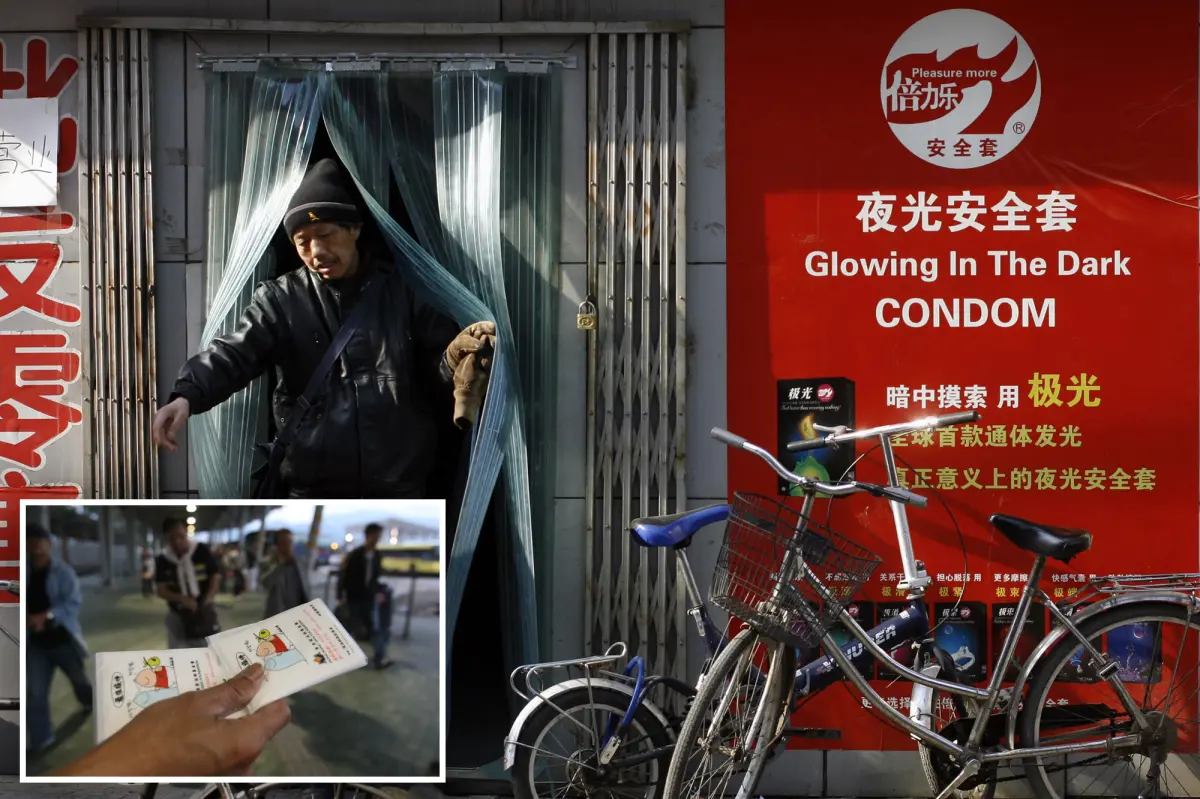
In a significant policy shift that has sparked widespread discussion, China is ending a 30-year exemption on contraceptives, implementing a 13% sales tax on condoms, birth control pills, and other contraceptive devices starting January 1, 2026. This controversial move comes as part of a broader strategy to address China’s declining birth rates, which have become a pressing concern for the world’s most populous nation. The government hopes that by making contraception more expensive, coupled with new financial incentives for childbearing, they can stimulate a much-needed baby boom to counteract the long-term economic impacts of an aging population and shrinking workforce.
The contraceptive tax is just one element of a comprehensive approach to encourage family growth. To offset the burden on prospective parents, Chinese authorities have introduced several family-friendly policies, including tax exemptions for childcare services, elder care institutions, and disability service providers. Maternity leave has been extended from 128 days to 158 days in major cities like Beijing, with a proposed 30-day paid paternity leave under consideration. Perhaps most notably, starting January 1, 2025, families became eligible to receive an annual cash allowance of approximately $500 for each child born after that date. These measures represent a dramatic shift in China’s approach to population management, tackling economic barriers that have discouraged young adults from starting families amid a challenging job market and the estimated $76,000 cost of raising a child to adulthood.
The irony of China’s new pro-natalist stance isn’t lost on observers familiar with the country’s demographic history. For decades, the infamous one-child policy strictly limited family size through fines, forced abortions, and sterilizations, driven by fears that the country’s resources couldn’t sustain its rapidly growing population. This period saw widespread gender discrimination, with female infants often abandoned, neglected, or even killed as families favored male children who would carry on the family name and provide future support. The harsh policy achieved its goal of slowing population growth but created profound demographic imbalances and contributed to the current crisis, with birth rates plummeting to just 6.77 births per 1,000 people in 2024 – a figure that threatens China’s economic future and social stability.
Though the one-child policy officially ended in January 2016, its lasting impact continues to shape China’s demographic landscape. The country’s overall population of approximately 1.4 billion has declined for three consecutive years, with projections suggesting it could dwindle to just 633 million by 2100 if current trends continue. Last year saw only 9.54 million births across China, roughly half the number recorded a decade earlier. Demographers like He Yafu from the YuWa Population Research Institute in Beijing have noted that while removing the VAT exemption on contraceptives is “largely symbolic” and unlikely to dramatically alter birth rates on its own, it reflects “an effort to shape a social environment that encourages childbirth and reduces abortions” – a broader cultural shift the government hopes to foster alongside its economic incentives.
However, health experts have raised serious concerns about potential unintended consequences of making contraceptives more expensive. The medical community fears these policies could inadvertently facilitate the spread of HIV, which has been increasing in China despite decreasing globally. According to the country’s Center for Disease Control and Prevention, HIV and AIDS cases have spiked dramatically from 0.37 per 100,000 people to 8.41 between 2002 and 2021. This worrying trend could be exacerbated if access to condoms becomes more limited due to higher costs. The tension between promoting births and maintaining public health represents a delicate balancing act for Chinese policymakers as they navigate these competing priorities.
The announcement of the contraceptive tax has ignited intense debate on Chinese social media platforms, with many citizens questioning the logic behind the approach. “If someone can’t afford a condom, how could they afford raising a child?” wrote one skeptical user on Weibo, China’s popular microblogging site. This sentiment encapsulates a fundamental critique of the government’s strategy – that making contraception more expensive doesn’t address the underlying economic anxieties and social pressures that have led many young Chinese adults to delay or forgo having children. As China continues to experiment with policies designed to reverse its demographic decline, the effectiveness of these measures remains uncertain, highlighting the complex challenges facing a nation attempting to redirect its demographic trajectory after decades of strict population control.