

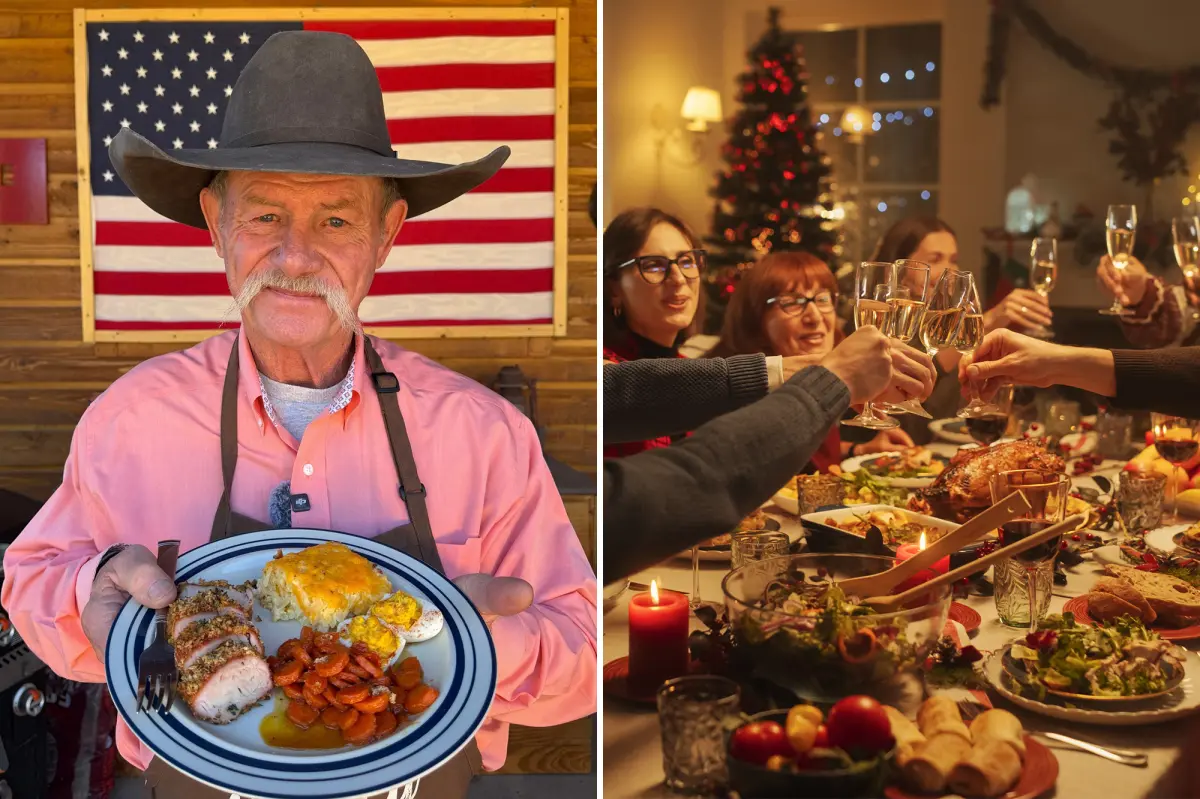
Kent Rollins, the rugged cowboy known affectionately as the “Cast Iron Cowboy,” has been riding the range of American ranches for decades, honing his craft over crackling campfires and cast-iron skillets. But beyond his cowboy boots and signature apron, his story is one of quiet wisdom, rooted in the simple joys of good food and even better company. Born and raised in the heart of cattle country, Rollins transitioned from a life on the trail to becoming a beloved TV chef on shows like the Food Network’s “Paula’s Best Dishes” and his own Outdoor Channel series. His message isn’t just about mastering the perfect brisket or the art of lariat cooking; it’s a heartfelt plea to reclaim something fundamental in our hurried, digital age. In a world buzzing with notifications and screens, Rollins urges Americans to hit pause and remember what truly matters: the warmth of a shared meal without the glow of cellphones interrupting the flow. He’s seen too many families drift apart at the table, fingers scrolling instead of reaching for the nearest loved one, and it’s stirred a passion in him to bring people back to the basics. With his gravelly voice and tales from the chuck wagon, he reminds us that while technology has sped up life, the soul of America still lies in slowing down to connect.
Growing up in a humble home where the dinner table was sacred ground, Rollins cherishes memories that shaped his view of family and food. He often recalls his mother’s gentle wisdom: “It’s not the legs of the table that hold it up—it’s the family around it.” Those words echo through his life, a mantra that has guided him from ranch cookouts to weekend meals prepared lovingly by generations. As a boy, Sundays meant gathering in the kitchen after church, the air thick with the aromas of pot roast slow-cooked in the oven or double-fried chicken crowned with gravy and mashed potatoes. Sides of beans, fresh bread, and a humble cobbler would fill the space, but the real nourishment came from the laughter, stories, and bonds shared around that table. Rollins speaks of these moments with a soft nostalgia, imagining his father carving the meat while sharing yarns from the range, kids chattering about school, and everyone—young and old—lending a hand in the preparation. It was more than sustenance; it was a subtle alchemy of connection that fortified not just the body but the heart. In a fast-paced world that pulls us in endless directions, Rollins invites us to emulate those Sunday gatherings, to honor the hands that prepare the meal and the blessings they represent with a simple prayer of thanks.
Yet, as our days fill with deadlines, workouts on the go, and virtual hangouts, the dinner table has become battleground for distraction. Rollins laments how many of us now clutch smartphones instead of forks, scrolling through feeds while family conversations fizzle out. According to a recent YouGov survey, about 55% of Americans still eat dinner with their families, but only 41% actually talk with each other at the table. Shockingly, 63% watch TV during meals, and 28% stare at their phones, turning potential moments of intimacy into solitary silences. Rollins sees this not as progress but as a quiet erosion of community ties. He passionately argues that these habits fragment us, pulling spouses, children, and grandparents into individual bubbles when they could be weaving shared stories. His own experiences on ranches—where cowboys gather post-ride for a hearty stew and unfiltered conversation—stand in stark contrast. He warns that as technology isolates us, we’re losing the strength that comes from human touch, verbal exchanges, and collective joy. It’s a call to unplug, at least for the precious time of a meal, and rediscover the magic of presence in a screen-dominated era.
For Rollins, the dinner table isn’t merely a place to eat; it’s a foundational pillar of family life, a space where generations come together to build resilience and love. He believes that in sharing stories, laughter, and even a bit of friendly teasing, we’re not just feeding our appetites but nurturing our spirits. “You get that bond you need from other people,” he muses, drawing from his mornings on the trail where a simple pot of coffee and camp stories steeled the crew for the day’s challenges. It’s this nourishment—emotional as much as physical—that Rollins champions, urging people to bless the food, to hold hands, and to express gratitude for the everyday miracles. Whether it’s a pot roast or a charcoal-grilled steak, the act of gathering transforms routine into ritual. He shares heartwarming anecdotes from his travels, like working a ranch Easter dinner where strangers became friends over biscuits and gravy, or holiday feasts that mended old wounds. In his view, such gatherings aren’t outdated relics but vital antidotes to loneliness, fostering communities stronger and kinder in an increasingly divided world. By ditching devices, we unlock doors to empathy, healing, and that profound sense of belonging only shared human connection can provide.
Approachably grounded in simplicity, Rollins demystifies cooking in a way that feels like an old friend sharing secrets. “If cooking were really difficult, I never would have made it,” he chuckles, embodying the cowboy ethos of making the most with what’s on hand. His recipes—from oven-baked ribs marinated in time-tested seasonings to maintaining a grill for spring barbecues—aren’t fussy chef feats but practical guides born from necessity. He raves about letting the flavor of fresh ingredients shine, avoiding overcomplications that might intimidate a busy family. Simplicity, he insists, is the key to inviting everyone to the kitchen, not just experts. For instance, his method for campfire chili involves basic staples like ground beef, beans, and spices, simmered to perfection under the stars. He ties this back to his core message: cooking isn’t performance; it’s participation. In his teachings, whether on YouTube with millions of subscribers or in his podcast “Cowboy Coffee Hour” co-hosted with his wife, he encourages novices to start small—perhaps a simple breakfast fry-up with eggs and cornbread that warms the home. It’s about joy, he says, infusing everyday tasks with warmth, turning chores into cherished traditions that draw loved ones in, reinforcing that life itself is about ease and togetherness.
Through his expanding digital footprint, Rollins spreads this philosophy beyond the campfire, reaching audiences hungry for authenticity amid chaos. His YouTube channel explodes with tutorials that blend rugged advice with heartfelt anecdotes, attracting fans who savor his unpretentious style. The Outdoor Channel series captures his essence on location, from rugged terrains to backyard grills, while his podcast dives deeper into conversations over coffee, recounting tales of ranch life and offering life lessons wrapped in humor. With his wife by his side, the “Cowboy Coffee Hour” feels like eavesdropping on a family chat, discussing everything from faith and forgiveness to the thrill of a well-set table. Rollins isn’t selling miracle cures; he’s sharing hard-won insights from a life lived close to the land and people. He urges: “Gather your friends and family around the table, bless the food, and have a good time—summer’s coming, and it’s time to eat.” It’s a rallying cry for restoration, inviting each of us to step away from distractions and embrace the quiet power of connection. In his vision, America can be healed one meal at a time, fostering bonds that endure through seasons of change. As he rides off into the sunset of another gathering, Rollins leaves a trail of inspiration, proving that the truest cowboy treasure isn’t gold but the golden moments we share.