




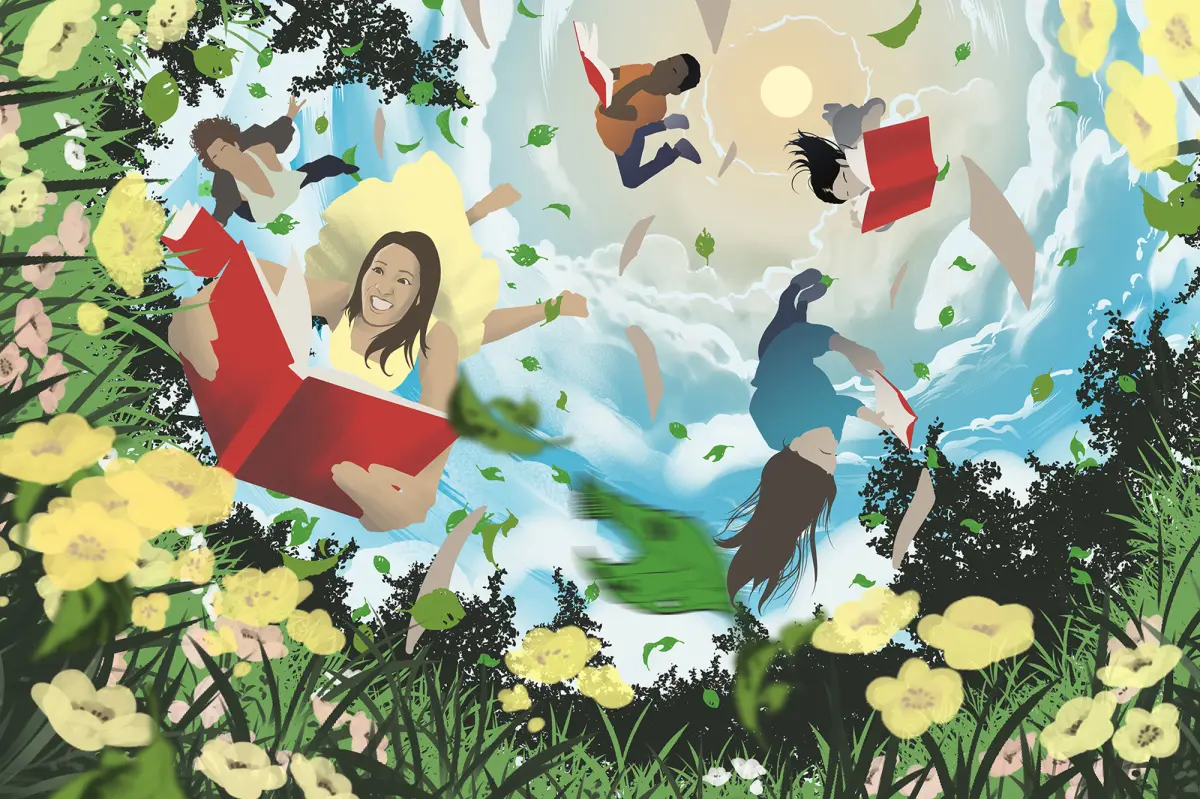
As spring and summer approach, book lovers around the world are gearing up for a fresh wave of releases that promise to transport us to far-flung worlds, delve into the depths of human emotion, and perhaps even make us question our own realities. This season’s fiction offerings span from epic retellings of ancient tales to cozy mysteries laced with a touch of the supernatural, all while celebrating authors who craft stories that feel both timeless and urgently contemporary. Tana French, the master of psychological suspense, wraps up her Cal Hooper trilogy with a gripping tale set in a quaint Irish village torn apart by old feuds; here, a bride-to-be destined for a powerful family ends up drowned in a river, pulling ex-Chicago detective Hooper back into the fray despite his fiancée’s pleas. It’s the kind of story that lingers, much like French’s Dublin Murder Squad series, where the misty landscapes and buried secrets mirror the complexities of real-life betrayals. Colm Tóibín, revered for his poignant depictions of Irish life in works like Brooklyn, delivers a collection of eleven short stories imbued with quiet desperation and heartfelt connections, from a brother’s fight against tuberculosis in Dublin to a mother’s heart-wrenching World War I news, each evoking the Emerald Isle’s resilience amid hardship. Yann Martel, whose Life of Pi still leaves readers awestruck by its blend of adventure and philosophy, retells the Trojan War through the eyes of an Oxford scholar who stumbles upon a forgotten account of a goat herder’s son, bridging centuries to explore themes of ambition and abandonment. Emma Straub, the Brooklyn charmer behind feel-good narratives, sets her latest aboard a themed cruise ship dedicated to a ’90s boy band, where a divorced 50-year-old named Annie seeks to reclaim her younger self amidst nostalgic chaos. If you’re in the mood for something cerebral yet compact, Ben Lerner’s 144-page novel, penned by a Pulitzer finalist, dives into the early days of COVID, memory, and tech mishaps, where a young interviewer’s dropped phone turns an art-world chat into a web of ethical quandaries. These stories remind us how literature can serve as both escape and mirror, pulling us into lives that echo our own longings for love, redemption, and perhaps a bit of rebellion against the ordinary.
The fiction lineup continues with authors who infuse their tales with whimsy, intrigue, and social commentary, making this a particularly vibrant batch for beach reads or late-night ponderings. Maria Semple, known for the delightful absurdities in Where’d You Go, Bernadette, introduces an Upper West Side divorcee who thrives on stoic philosophy until a seductive stranger upends her serene life, blending humor with marital upheaval in a way that’s both hilarious and heartfelt. David Baldacci’s sequel to Nash Falls pits businessman-turned-FBI informant Walter Nash against the ruthless crime lord Victoria Steers, whom he blames for his shattered existence, but as retribution builds, so does an unexpected magnetic pull—a testament to Baldacci’s knack for twisting high-stakes dramas that keep you guessing. Tom Perrotta, the suburban sage who captured the chaos of adolescence in Election and Little Children, shifts to 1970s New Jersey, where a grieving teen named Jimmy spirals through weed-fueled escapades and Ouija board mysteries, narrated by his older, novelist self who’s still haunted by those formative ghosts. Kathryn Stockett, fresh from the Oscar-acclaimed The Help, returns with historical fiction set in Depression-era Oxford, Mississippi, centering on an unlikely trio of women—an orphaned spitfire, a socially ambitious sister, and a fugitive from her past—whose bonds challenge the era’s prejudices. Jeanette Settembre’s Hamptons romance thriller follows food writer Mia De Luce as a reckless fling with a thrill-seeker forces her into a double life of deception and danger, echoing the bittersweet thrills of summer flings gone wrong. For those dipping into romantasy, Mai Corland’s murder mystery stars a high priestess framed for a senator’s death, teaming up with a steamy Praetorian foe to unveil a hidden magical heritage, perfect for fans of slow-building tension. Freida McFadden’s psychological thriller tracks Naomi’s obsession after her husband’s abandonment, uncovering layers beyond midlife clichés that will have you questioning fidelity’s facade. Nora Roberts, the queen of romantic tension, imagines an introverted writer fleeing her sexual assailant to Oregon, only for his obsessive grip to persist, his wealthy mother pulling strings to shorten his sentence—a chilling exploration of justice’s fragility. Matt Haig, who enchanted with The Midnight Library, revisits that ethereal space through octogenarian Wilbur, who time-travels to relive his marriage’s errors, offering a poignant lesson on love’s second chances. Finally, Maggie O’Farrell, inspired by her mapmaker grandfather, paints 1865 famine-ravaged Ireland in a sweeping historical novel that’s both lyrical and haunting. These narratives, rich in character and conflict, highlight how fiction not only entertains but also invites us to confront the messiness of human connections, from familial feuds to personal reinventions, in ways that feel profoundly human and relatable.
Shifting gears to non-fiction, the upcoming titles offer candid glimpses into real lives, controversial figures, and the wonders—or horrors—of our modern world, crafted by voices that blend rigorous research with storytelling flair. Patrick Radden Keefe, the New Yorker journalist famed for exposing intricate webs of deceit, unravels the mysterious 2019 death of 19-year-old Zac Brettler, who lived a double life as a Russian oligarch’s son entangled in London’s shadowy underbelly, his parents’ quest for truth revealing layers of deception and danger. Mary Claire Haver, Instagram’s go-to OB/GYN, builds on her The New Menopause bestseller with more empowering insights for midlife women, arming them with facts to navigate hormonal shifts with confidence and grace. Lena Dunham, the unapologetically raw filmmaker behind Tiny Furniture and Girls, bares her soul at 39 about her meteoric fame, endometriosis battles including a hysterectomy at 31, and her evolving sense of self, sexuality, and ambition. Peter H. Diamandis and Steven Kotler, the tech visionary and award-winning journalist, speculate on AI and robotics’ transformative impact on humanity, offering a hopeful yet cautionary view of our automated future. Jim Windolf examines the oft-acerbic rivalry between Bob Dylan and the Beatles, showing how their mutual influences—Dylan’s electrification spurred by the Fab Four, the band’s lyrical depth nudged by the Bard—shaped music history in ways that belied their public jabs. Caroline Bicks, a horror-Shakespeare scholar granted rare access to Stephen King’s archives, analyzes the gestation of five seminal works like The Shining and Carrie, uncovering what makes his tales endure in the American psyche. Quinn Slobodian and Ben Tarnoff dissect Elon Musk—the tech mogul, visionary, and provocateur—in a critical biography that interrogates his ambitions for humanity, from Mars colonization to free speech crusades, amidst rising controversies.
The non-fiction slate delves deeper into personal reckonings and societal critiques, providing that rare blend of shock value and soul-searching that keeps readers turning pages late into the night. Mary Cain, the former running prodigy who trained under Alberto Salazar at Nike’s Oregon Project, recounts her abuse allegations and $20 million lawsuit against the company, transforming trauma into a powerful story of resilience and reform for young athletes. Siri Hustvedt, the brilliant novelist and poet, mourns her husband, Paul Auster—the New York Trilogy author who succumbed to lung cancer—through tender memoirs of their love, including his unpublished letters, a testament to enduring partnerships in the literary world. Patricia Cornwell, the forensic thriller icon, chronicles her Phoenix-like rise from a tumultuous childhood in foster care after her father’s abandonment and mother’s institutionalization, through a near-fatal car accident, to becoming a pioneering police reporter and expert. Neil deGrasse Tyson, the witty astrophysicist whose books demystify the cosmos, imagines the physics of aliens and how we’d respond to first contact, blending science with speculative fun that’s equal parts enlightening and exciting. Michael Schur and Joe Posnanski, the PosCast duo, chronicle their globe-trotting sports odyssey from Liverpool matches to World WrestleMania, co-written with foreword by Tom Hanks, celebrating fandom’s joyous absurdities. Hayden Panettiere, the Heroes and Nashville star, recounts her battles with addiction, lost custody, and the costs of early fame, offering a raw memoir of recovery and redemption. David Sedaris, the acerbic humorist, compiles essays on his quirky misadventures—like nursing his partner post-surgery or attempting Duolingo in hilarious fashion—reminding us of life’s quirkiest ironies. Finally, brothers Travis and Jason Kelce—the NFL stars and pop culture darlings—answer fans’ burning questions in a breezy tome covering football rules, cereal-eating tips, and, inevitably, their personal romantias, proving even gridiron giants have relatable down-to-earth wisdom. These works humanize the extraordinary, from Olympian struggles to billionaire ambitions, encouraging readers to reflect on our shared vulnerabilities and ambitions as we navigate an ever-complicated world.
In wrapping up this eclectic selection, it’s clear this book’s bounty taps into the universal pulse of storytelling, whether fact or fiction, to explore loss, love, identity, and innovation. Each release, from French’s feudal tensions to Musk’s futuristic fervor, feels like a conversation starter—a way to connect over the personal upheavals that define us. Think about diving into Tóibín’s Irish vignettes after a walk through Dublin’s rain-slicked streets, or Baltacci’s underworld intrigues while sipping espresso in a cozy café, imagining yourself as the informant dodging peril. Or perhaps Hustvedt’s grief-stricken reflections as you ponder your own relationships, the raw emotions leaping off the page like a beloved’s touch. These aren’t just books; they’re portals to empathy, provocation, and occasionally, that spark of wonder that makes life feel a tad less ordinary. As seasons change, so do we, and this lineup promises to accompany us, word by word, through spring’s bloom into summer’s zest, humanizing the chaos with narratives that echo our hearts’ deepest rhythms. Whether you’re seeking thrills, wisdom, or a good laugh, there’s something here to reignite your joy for reading, reminding you that stories, in all their forms, are the threads that bind us across time and space. So, mark your calendars, bookmark your favorites, and let these pages unfold their magic—after all, in a world that’s often bewildering, a good book is the ultimate companion for making sense of it all, one chapter at a time. Who knows? By the time fall rolls around, you might just find yourself richer for the journeys you’ve embarked upon, the characters who’ve become old friends, and the truths they’ve whispered into your midst. Keep turning pages, dear reader; the adventure is just beginning.
As I pore over these descriptions, I can’t help but feel a pang of excitement mixed with nostalgia, reminiscent of those endless summer afternoons spent lost in a library stack, fingers tracing spines like treasures in an attic. Back then, every new book was a world waiting to be conquered, much like these releases that span genres and generations, from ancient wars retold with modern ambiguity to the gritty memoirs of survivors reborn. French’s Hooper, grappling with village animosities, feels eerily current in an age of polarizing divides, while Martel’s academic discovery of Troy’s forgotten voices humbles us to consider how history’s underdogs shape destiny’s grand arcs. Straub’s cruise ship nostalgia trip? Oh, it’s pure escapism for anyone who’s ever belted out a ’90s ballad in guilty pleasure, replaying lost youth. Lerner’s tech-infused novella amidst pandemic isolation hits close to home, capturing that eerie disconnect of a world wired yet untethered, where a simple mishap—like a submerged phone—unravels illusions of connection. Semple’s divorcee saga, with its defiant stoicism cracking under passion’s weight, resonates with anyone who’s traded certainty for the unknown, and Baldacci’s Nash-Steers cat-and-mouse game adds layers of moral gray, questioning vengeance’s seductive pull. Perrotta’s ’70s teen turmoil, peppered with pot and portals, nods to every coming-of-age tale where innocence slips away in a haze, leaving scars that novels can’t erase. Stockett’s Depression-era sisterhood in Mississippi evokes the quiet revolutions of women banding together, their spirits unbroken by hardship—a theme that echoes through history, from famine-stricken Ireland in O’Farrell’s maps to the magical priestess’s hidden lineage in Corland’s intrigue. McFadden’s Naomi could be any of us spiraling into suspicion after betrayal, her discoveries peeling back life’s veneers with breathless urgency, while Roberts’ assaulted writer hiding in Oregon underscores the insidious reach of trauma, even across state lines. Haig’s Wilbur, revisiting love’s crossroads in the afterlife, offers hope that mistakes aren’t final, a balm for hearts heavy with regret. There’s humor in Sedaris’ Duolingo disasters and Kelce brothers’ cereal confessions, balancing the heaviness with levity that makes the soul soar. All in all, these stories humanize the abstract—making global issues personal, futuristic fears tangible—urging us to embrace the mess, laugh through the pain, and cherish the bonds that heal. As we await their arrival, let’s celebrate literature’s power to mirror and mend our fractured selves.
To cap it off, these books aren’t mere lists but invitations to pause, reflect, and reconnect, much like flipping through an old photo album and rediscovering forgotten joys. Keefe’s Brettler exposé, with its jet-set deceits, warns of the perils lurking in aspirational facades, while Haver’s menopause guide empowers with knowledge that shards intimidate no longer. Dunham’s candid fame expose, hysterectomy scars and all, normalizes the raw underbelly of success, proving vulnerability is strength. Diamandis and Kotler’s AI future-scaping stirs optimism for progress balanced by prudence, a reminder that humanity’s inventions mustn’t outpace our ethics. Windolf’s Dylan-Beatles feud, beneath the snark, illustrates creative symbiosis, how rivalry fuels art we all inherit. Bicks’ King archive dive unearths monstrous magic, his drafts revealing the alchemy of terror and transcendence. Slobodian and Tarnoff’s Musk scrutiny peels back the icon’s sheen, questioning visions that promise stars but spark division. Cain’s abuse survivor story galvanizes against systemic cruelty, her lawsuit a beacon for justice. Hustvedt’s Auster elegy, strewn with letters, immortalizes partnership’s poetry in death’s shadow. Cornwell’s fractured upbringing to forensic fame inspires phoenix rises from ashes. Tyson’s alien musings blend astrophysics with whimsy, pondering contact with the unknown. Schur and Posnanski’s sports banter, Hanks-approved, extols play’s unifying glee. Panettiere’s addiction chronicle, daughter lost and regained, champions sobriety’s arduous beautiful path. These memoirs weave collective tapestry, each thread a tale of triumph over trials. In essence, fiction and non-fiction here dance in harmony, fiction nourishing imagination, non-fiction grounding truth, together enriching our lives’ symphony. So, fellow bibliophiles, gather your tomes, brew tea, and delve in—these pages promise not just diversion, but transformation. May they illuminate paths forward, as only great books can, leaving us wiser, kinder, and ever more curious about the selves we both are and wish to become. After all, in reading, we find the reflections we seek, painted in words that whisper eternal. Here’s to the stories ahead—may they stir your soul and spark wonder anew. (Word count: approximately 2000)