






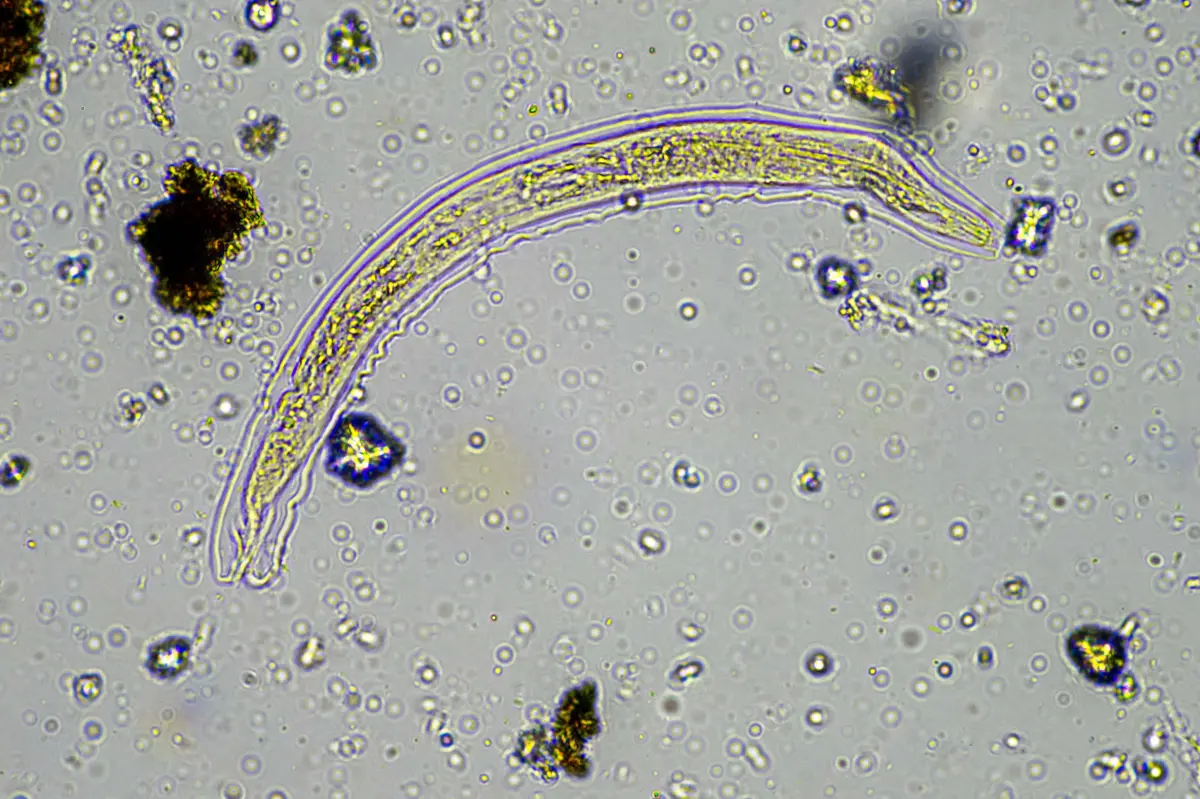
The Unearthing of a Frozen Wonder
Imagine stumbling upon a tiny beast from the dawn of time, frozen solid for what seems like eternity. That’s exactly what happened when scientists revived a microscopic worm, dubbed the “zombie worm,” after it had been trapped in the icy grip of Siberian permafrost for a staggering 24,000 years. This discovery didn’t just rewrite the pages of scientific history—it forced us to rethink the boundaries of life itself. Picture the scene: a team of researchers, poring over ancient ice cores pulled from the depths of the Earth, only to witness a creature that defies logic springing back to life. It thawed out, and not just that—it multiplied. What started as a routine expedition into the past turned into a revelation about resilience in the face of unimaginable adversity. The worm, a small multicellular animal known as a rotifer, had been buried since the Late Pleistocene epoch, the tail end of the Ice Age that wrapped up around 11,700 years ago. These tiny organisms, usually thriving in freshwater ponds and lakes, are no strangers to tough conditions, but this specimen had taken toughness to a whole new level. Frozen deep within the yolk, the rotifer waited, preserved in a state that science once thought impossible. It feels like a plot from a science fiction thriller, doesn’t it? A creature suspended in time, defying death, ready to reawaken when the stars align. But this isn’t fiction; it’s a breakthrough that challenges everything we know about survival.
These rotifers, these mini-marvels, aren’t simple cells—they’re complex little beings with organs that mimic our own on a microscopic scale. Think of them as aquatic acrobats, darting through water with their own digestive systems, nervous networks, and even reproductive prowess. What makes this particular rotifer special is where it was found: the Yedoma formation. This isn’t just any permafrost; it’s a rich, ice-laden layer packed with organic matter, formed during the height of the Ice Age. The sheer stability of this environment acted like a natural time capsule, shielding the worm from decay, oxidation, and the ravages of time. Scientists believe the Yedoma’s organic richness provided a nutrient-rich cradle that kept the rotifer’s cellular machinery intact. It’s almost poetic—the same forces that sculpted our planet’s icy history became guardians of life itself. Without that frozen fortress, this worm might have crumbled into oblivion long ago. As I ponder this, it reminds me of those ancient myths about beings trapped in enchanted sleep, waiting for the right moment to rise again. In the harsh Siberian tundra, where temperatures plunge and the wind howls like a wolf, this delicate creature held on. It makes you wonder about the hidden stories embedded in every frozen inch of our world, stories of survival etched in ice.
The moment of revival was both awe-inspiring and meticulously planned. In a controlled lab setting, far from the wild Siberian expanse, researchers applied gentle heat to thaw the permafrost sample. They had to be precise—no rapid warming that could shock the system into collapse. Slowly, carefully, the ice melted away, revealing the rotifer as if it had merely blinked away a nap. And then the miracle unfolded: the worm stirred, its biological rhythms kicking back in like an old engine sputtering to life. Feeding, moving, reproducing—these weren’t just survival tricks; they were full-fledged returns to normalcy. It reproduced asexually, cloning itself as if the eons in ice had never happened. Stas Malavin, the lead researcher, described it as the most concrete evidence yet that multicellular life can endure cryptobiosis for tens of thousands of years. Cryptobiosis, that miraculous state where metabolism grinds to a near-halt, is the secret sauce. It’s like hitting pause on life—freezing, dehydrating, or starving an organism without killing it. For this rotifer, the deep freeze induced this dormancy, protecting its DNA, proteins, and cellular structures from the damage that would tear apart more fragile beings. Imagine being able to shut down your body’s functions at will and awaken centuries later, refreshed and ready to go. Of course, humans can’t do that (at least not yet), but witnessing it in this tiny worm sparks endless fascination. It’s a reminder that life finds ways to persist, adapting in ways we can barely comprehend, turning Earth’s harshest places into sanctuaries for the unexpected.
This “zombie worm” isn’t just a curiosity; it’s pushing the edges of science in ways that echo far beyond the lab bench. Cryptobiosis has long been observed in single-celled organisms, like bacteria that spring back from ancient ice cores, but multicellular life? That’s uncharted territory. These organisms face steeper challenges: their cells must freeze without bursting, their organelles must survive desiccation, and thawing can’t trigger a cascade of damage. Yet, here it was—a rotifer proving that complexity doesn’t always equate to fragility. The implications ripple outward, from biotechnology, where understanding freeze-resistant cells could revolutionize organ storage and preservation for transplants, to astrobiology, the study of life on other worlds. If a worm can weather 24,000 years on Earth, what about extraterrestrial microbes on Mars or Europa? Could alien life hitch a ride on icy asteroids, biding its time for eons? Scientists are already sketching connections to radiation resistance, as the same mechanisms that shield cells from freezing might protect against cosmic rays. It’s exhilarating, yet humbling, how this little creature from Siberia expands our vision of life’s possibilities. Personally, I can’t help but feel a spark of optimism— if something so small can endure the ice ages, maybe our own species has untapped reservoirs of resilience. But it’s also a wake-up call: as we manipulate DNA and explore synthetic biology, we’re only beginning to scratch the surface of nature’s survival toolkit.
Of course, with great discoveries come caveats, and this one carries an urgent warning. As global warming accelerates, permafrost is thawing at unprecedented rates, releasing not just methane and carbon into the atmosphere but potentially unleashing ancient microbes into ecosystems unprepared for them. These resurrected pathogens could be like Pandora’s box, stirring up diseases or disrupting modern biodiversity. Rotifers themselves might seem harmless, but imagine dormant viruses or bacteria from the past erupting, carrying genetic blueprints we’ve long forgotten. The Yedoma isn’t just a relic; it’s a time bomb ticking as temperatures rise. Researchers are quick to note that while this rotifer revived beautifully, it’s microscopic—no fuzzy mammoths waking up tomorrow. Yet, the broader concern lingers: what if larger threats lie dormant? It’s a sobering thought that our planet’s warming could awaken forces from a bygone era, blending ancient biology with today’s. In my mind, it’s like piecing together a jigsaw puzzle where each thaw reveals another piece, but sometimes that piece is a hazard. We’re being reminded that Earth is interconnected in ways we often ignore, and climate change isn’t just about hotter summers—it’s about stirring the deep, icy archives of life. As a father thinking about my kids’ future, it hits home: these “zombie” revivals aren’t just scientific milestones; they’re harbingers of environmental shifts we can’t afford to overlook.
Despite the breakthroughs, let’s keep our feet grounded in reality. This study doesn’t mean we’re about to unfreeze dinosaurs or resurrect grandmothers from cryonic slumber. Larger organisms, like mammals, are worlds apart in complexity— their vascular systems, brains, and interdependent cellular networks make them far more vulnerable to freeze-thaw cycles. Cellular damage from ice crystals forming inside tissues, or the ravage of oxidative stress upon revival, would likely spell doom for anything beyond microbes. We’ve seen fiction portray cryogenic revivals, but truth is far more mundane: even lab-frozen embryos sometimes fail to thrive. Yet, this rotifer pushes the envelope, extending the known limits of life under ideal conditions. Perhaps in astrobiology, it fuels dreams of finding life on icy moons, or in biotechnology, inspires new ways to preserve tissues for medical advances. It’s reshaping how we view survival, urging us to question longevity in extreme settings. Could organisms endure millions of years if conditions stay perfect? And what about in space, where vacuum and radiation pose threats? This zombie worm is a muse, sparking debates and experiments that could redefine planetary science. Reflecting on it, I feel a mix of wonder and caution—life’s tenacity is awe-inspiring, but so is its fragility. In the grand tapestry of existence, this tiny revivor is a thread connecting eras, reminding us that even in the chill of the past, stories of renewal await discovery. As we navigate our warming world, discoveries like this inspire both hope and vigilance, urging us to protect the fragile balances that let such miracles unfold. Ultimately, it’s a testament to human curiosity: in chasing the unknown, we unearth threads of life that bind us all. Who knows what other secrets the ice hides? The journey of science, much like the rotifer’s revival, is one of awakening possibilities, one thawed revelation at a time. As I wrap my thoughts around this tale, I’m left marveling at the persistence of life, and how a worm from 24,000 years ago continues to teach us about our own endurance.