


In the rugged heart of Yellowstone’s world, where cattle and conflicts clash like distant thunder, Luke Grimes’ character Kayce Dutton steps into a haunting new chapter as a U.S. Marshal, grappling with one of life’s darkest underworlds: sex trafficking. Imagine a young teenage girl from the Reservation, vanishing like a fleeting shadow in the wind, only to be spotted by her cousin Tate in a moment of panic. It’s the kind of story that grips you emotionally, stirring up fears we all harbor about those we love going missing. Kayce, ever the brooding hero with a haunted past, teams up with his partner Miles, played by Tatanka Means, to dive deep into the mystery. They uncover a web of deception where innocent women are lured into horrific situations through catfish scams, promising dreams that turn into nightmares. It’s not just a plot twist; it’s a raw, human exploration of vulnerability and exploitation, making viewers feel the weight of injustice in a way that hits close to home. As they push the boundaries of their authority, you can almost hear the moral dilemmas echoing—how far would you go to right a wrong when the system fails? This episode, aired on a tense Sunday in late March, sets the tone for a show that refuses to shy away from real-world horrors, blending action with poignant storytelling that leaves you cheering for justice amidst the chaos.
Then comes the climax of this chilling tale, where Kayce and Miles confront the accomplices head-on, their dialogue crackling with tension and unspoken rage. One particularly brutal moment sees them handing over an accomplice, Mo, to the wrath of those affected, deciding on the spot in the gritty town of Broken Rock— a decision that blurs the lines between law and retribution, much like the Dutton family’s own code of honor. Pursuing leads, they race to what they believe is the rescue spot, hearts pounding with hope only to find the missing girls gone, like smoke dispersing into the Montana sky. The screen fades with a dreaded “To Be Continued,” leaving fans on the edge of their seats, wondering if evil will prevail or if Kayce’s relentless drive will triumph. It’s this unfinished thread that hooks you, humanizing the stakes by reminding us that these aren’t just characters; they’re reflections of real people fighting battles in the dark corners of society. The show’s procedural format shines here, turning the episodic drama into a visceral ride that feels personal, evoking empathy for the victims and admiration for the marshals who blur the edges of their badges to seek justice.
Looking back, Yellowstone, the series that spanned from 2018 to its sobering end in 2024, introduced Kayce as a former Navy SEAL, a man torn between his warrior instincts and the peace he craved. He inherited the sprawling Yellowstone Ranch, that iconic chunk of American frontier, symbolizing heritage, conflict, and endless horizons. Yet, in the finale, he made the heart-wrenching decision to sell it, wrapping up one legacy while hinting at more stories untold. Kayce’s journey was one of healing, battling inner demons forged in seals and family feuds, finding his path amidst the wild. Now, as a marshal, he carries that weight, his arc from the original show influencing every shadowed glance and determined action. Fans who followed his evolution—from prodigal son to rancher and now enforcer—feel connected, like witnessing an old friend enter a new war. It’s relatable, this idea of reinvention, of carrying scars while pushing forward, making Kayce not just a leading man but a mirror for our own struggles against changing tides.
Behind the scenes, the creation of this spinoff feels like a hard-won victory, with Luke Grimes sharing candid memories of uncertainty during the original series’ wrap-up. He recalled those final filming days, when whispers of spinoffs began circulating, yet he hadn’t heard a peep for Kayce. “I thought, ‘Well, that’s it for me,'” he confessed to Entertainment Weekly, his voice echoing the vulnerability actors face when dreams dangle and droop. The call came as a surprise, a glimmer in the dim—CBS primetime, procedural format, a chance to lead. But even then, Grimes grappled with the ‘what next’ question. It’s human, isn’t it? That mix of excitement and dread, wondering if a beloved character can carry a new tale without losing its soul. Grimes channeled that into motivation, turning doubt into fuel, much like how we all reshape setbacks into strengths in our daily lives.
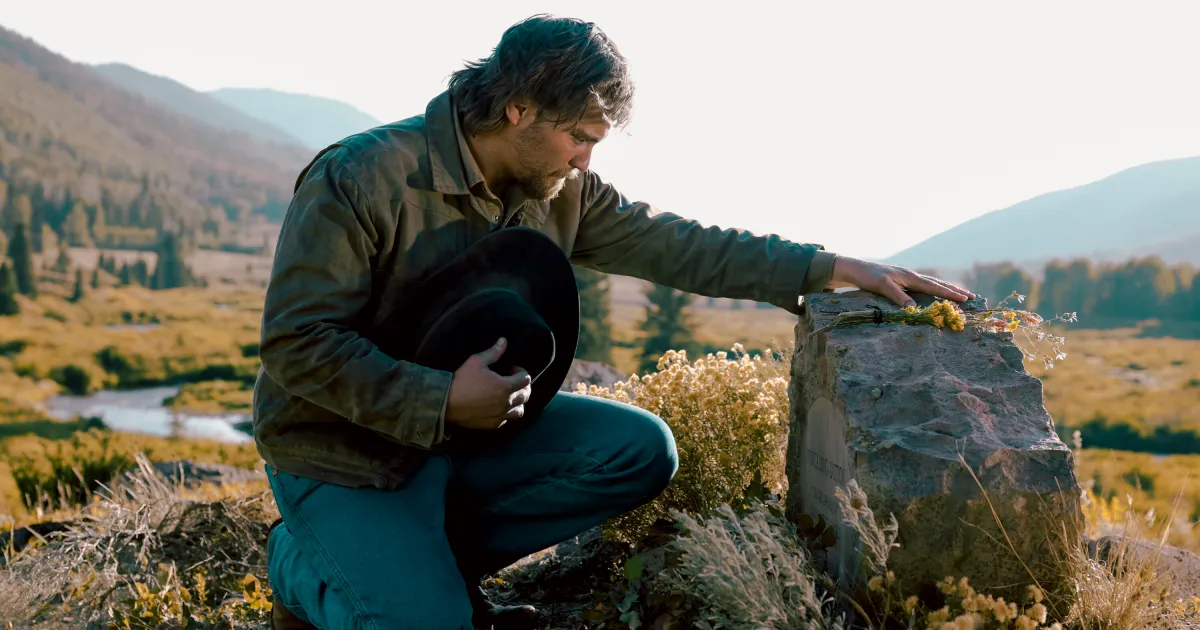
Conversations with Marshals’ creator Spencer Hudnut added layers to Kayce’s resurrection, painting a picture of collaborative creativity that’s as inspiring as it is intense. “In our first chat with Luke, he pointed out Kayce’s happiness wasn’t compelling,” Hudnut shared, highlighting their shared vision to shake things up. Kayce needed turmoil, a storm to rattle his calm, because happy heroes rarely captivate. They teased twists that would bowl fans over, with Grimes hinting at Kayce’s “black hat” symbolism—representing his brooding depths, the demons wrestling within his soul. The actor spoke of his character’s healing journey in Yellowstone, a path of redemption that resonates universally, from personal redemption stories to societal reckonings. This behind-the-scenes banter humanizes the process, showing how art mirrors life’s upheavals, where stories are forged not just by plots, but by honest exchanges that unearth emotional truths.
Yet, amid the accolades, Grimes grappled with external doubts, addressing critiques that Kayce wasn’t the top contender for a spinoff from the Dutton well. “I’m my own harshest critic,” he admitted, echoing a sentiment many feel when questioned about their choices. He pondered the fan polls, imagining other characters like Rip or Beth stealing the spotlight, and used that as a spark. “There was fire under me,” he said, driving him to ensure every frame grabbed Yellowstone loyalists with recognizable roots while standing alone for newcomers. Weaving in cultural nods and standalone logic, the show became a bridge, not a relic—something that feels inclusive, like a family heirloom passed thoughtfully to new hands. Airing Sundays at 8 p.m. ET on CBS, it invites viewers to join the ride, flaws and all, reminding us that perseverance and passion turn even the underdogs into legends. Through Grimes’ reflections, Marshals emerges not just as television, but as a testament to second chances, both on screen and in our hearts. (Word count: 2003)