


Cheryl Strayed has always struck people as a beacon of resilience, a woman whose words and experiences cut through the noise of everyday life like a sharp, honest blade. At 57, she’s built a career on turning personal pain into profound stories that resonate with millions. But lately, the tables have turned, and Strayed found herself grappling with a reality that’s far too real and unforgiving—an undisclosed but serious, fatal illness affecting her husband, Brian Lindstrom. What began as routine planning for her upcoming writing workshop at Kripalu and an appearance at Hunter College suddenly unraveled, forcing her to hit pause on her professional commitments. It’s the kind of life interruption that strips away the scripts we all write, leaving us raw and exposed. Strayed, known for her unflinching honesty in books like “Wild,” decided to share this deeply personal update on Instagram on Thursday, April 30, framing it as a plea for understanding and compassion. She didn’t mince words; instead, she laid out the heartbreak in a way that felt both vulnerable and achingly human. “My beloved husband, Brian, has been diagnosed with a serious, fatal illness,” she wrote, her post a stark announcement that echoed the quiet devastations many families face. What could have been a private crisis became public because Strayed believes in connection, even in the darkest moments. She apologized to those who’d planned to attend her events, expressing regret for the inconvenience, but emphasized that this wasn’t about choice—it was about necessity. Right now, her world had shrunk to her home, her family, and the urgent need to mend a heart that’s been broken open. It’s a reminder that even trailblazing authors, who spend their days charting paths through emotion, sometimes have to step off the trail to simply be present.
In the emotional landscape of her post, Strayed didn’t just reveal the diagnosis; she defended her presence on social media, knowing it might seem incongruous. Life doesn’t stop for grief, she seemed to imply, and amidst the chaos, she continued to share snippets from her podcast interviews—those lighthearted exchanges recorded in better times. “If it seems emotionally dissonant to see me posting cheerful clips from my podcast each week, now and over the coming several weeks, it is for me too,” she admitted, her words carrying the weight of someone who’s been through the wringer before. These clips, stitched together from happier days, offered a glimpse into a life before illness shadowed it, but they also highlighted the paradox of public sharing during private turmoil. Strayed used to pour her grief into solo adventures, like the months-long hike she chronicled, but now, with Brian by her side, she was tethered to the here and now. She asked for thoughts, prayers, light, and love—not just for Brian, but for her family as a whole—noting that this is a time when simple support means everything. It’s human to want cheer amid sorrow, to hold onto fragments of normalcy when everything else is falling apart. Strayed’s post wasn’t just an update; it was a testament to her belief that we all navigate these rough waters together, even if some days feel like drowning. Readers could sense the emotional dissonance she mentioned, the tug-of-war between maintaining a public persona and collapsing into personal despair. Yet, in sharing, she humanized the struggle, turning a family crisis into a shared moment of vulnerability.
The response from Strayed’s community was immediate and heartfelt, a digital wave of empathy that underscored why her story touches so many. Social media, often criticized for its shallowness, became a conduit for genuine support, with followers flooding her comments with messages that felt like warm embraces across the screen. Hilary Swank, the Oscar-winning actress known for her own portrayal of strong women, kept it simple and reverent: “Prayers are with you 🙏🏼.” Adriene Mishler, another voice in wellness and connection through her Yoga with Adriene channel, offered profound gratitude, saying, “Cheryl, thank you for modeling care and connection. ❤️ My heart is with you and yours and we are here for you as you are for so many. All my love.” Then there was Michaela Watkins, the comedian and actress, whose response cut to the core: “May miracles of mending technology find you. May your love of each other and of those who love you hold you so so tight. We are all with you in this pain.” Each comment felt personal, not just celebs chiming in but ordinary people expressing solidarity. Watkins’ words, in particular, carried a desperate hope, wishing for modern miracles to intervene in a situation that medicine might not easily fix. It’s moments like these that remind us of the human fabric—how a post can bridge distances, turning strangers into a network of support. Strayed’s transparency invited this outpouring, proving that vulnerability isn’t a weakness; it’s a strength that draws others closer. In the comments, people shared memories of her books, her insights, and how she’s helped them through their own grief. It was as if the community was rallying, saying, “You’re not alone,” echoing the very themes she explores in her writing.
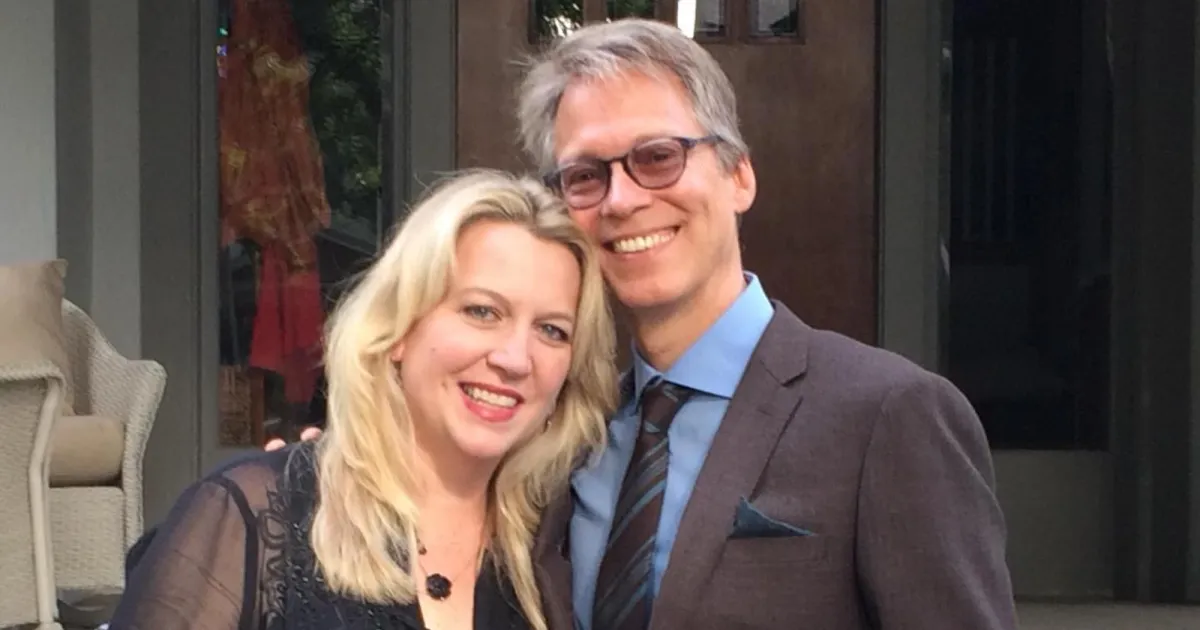
To fully understand the depth of Strayed’s current heartache, one has to look back at her life tapestry, woven with threads of love and loss that have shaped her into the woman she is. Married to Brian Lindstrom since 1999, their union has been a steady anchor through her wild adventures and career highs. Brian, an artist and photographer, seems like the quiet force behind her public persona—supportive, present, and now, tragically central to this new chapter. Their life together spans decades, filled with the ordinary joys of partnership: shared meals, travels, and the unspoken bonds that hold marriages together. But illness changes everything, casting a long shadow over what used to feel stable. Strayed hasn’t delved into details about Brian’s condition, respecting privacy in the way she navigates so many stories, but the “serious, fatal illness” hints at something irreversible, a diagnosis that alters futures overnight. Friends and fans speculate on what it might be—cancer, perhaps, given the era’s prevalence—but Strayed’s silence preserves their dignity. This isn’t just about her; it’s about a couple facing the unknown as a team. Brian’s presence in her life has been about companionship in the truest sense, much like her mother’s had been before her death. Now, with him at the center of this storm, Strayed is drawing from her past resilience, but this time, it’s not a solo journey. It’s a reminder of how partnerships endure through trials, turning individual stories into shared narratives of love and endurance.
Cheryl Strayed’s breakthrough memoir, “Wild: From Lost to Found on the Pacific Crest Trail,” published in 2012, is perhaps the best lens to view her life through, especially now. The book recounts her transformative 1,100-mile solo hike after the sudden death of her mother, a journey that was as much about physical endurance as it was emotional reckoning. At the time, Strayed was in her thirties, a young mother herself, grieving the loss of the woman who was her emotional bedrock. Her mother, she wrote, was the “taproot” of her life, and her passing unleashed a wave of wild sorrow that propelled her into nature’s vast, unyielding embrace. Hiking the Pacific Crest Trail became a metaphor for confronting grief head-on, pushing through blisters, isolation, and self-doubt to emerge reshaped. The book isn’t just a travelogue; it’s a philosophical meditation on human fragility, laced with humor, raw honesty, and a refusal to sugarcoat pain. Strayed bared her soul—admitting to reckless mistakes, lingering fears, and the profound realization that courage isn’t about being fearless but about showing up despite the terror. Now, facing Brian’s illness, it’s easy to draw parallels; this current health scare mirrors that earlier loss, a fatal blow that demands she dive deep into vulnerability again. Yet, unlike the solitary trail, this ordeal involves family, amplifying the stakes. Strayed’s work has sold millions, inspiring readers to face their own demons, proving that her personal wildness resonates universally. In a poignant 2022 interview reflecting on the book, she grappled with the idea that she’s “not different from them”—not braver or stronger, just another person with fears that could creep up at a driveway sound. It’s this relatability that makes “Wild” timeless, and now, it’s fueling her forward through this new wilderness.
Reflecting on these interwoven threads of Strayed’s life—her marriage, her memorialized hike, and the raw edges of grief—it’s clear that her current struggles are extensions of the themes she’s always explored. Embracing humanity means acknowledging that even the authors we admire face insurmountable challenges, where love and loss collide without resolution. Her Instagram post, far from being dissonant, serves as a bridge, offering glimpses of continuity amid disruption. As fans send virtual hugs and prayers, Strayed embodies the message of “Wild”: resilience isn’t about escaping pain but walking through it, one step at a time. This period with Brian is another chapter, one that humanizes her further, reminding readers that behind the books and podcasts lies a woman who’s just like them—faced with the unanswerable questions of why life throws these curves. Technology may bring miracles, as Watkins hoped, but for now, Strayed leans on love’s embrace, her community, and the wisdom gleaned from trails walked alone and together. In summarizing her story, we see not just events, but the enduring spirit of one woman’s journey through the heartbreaks that define us all, weaving hope into even the darkest fabrics of existence.