


The Unexpected Wave of Change in Supriya Ganesh’s Life
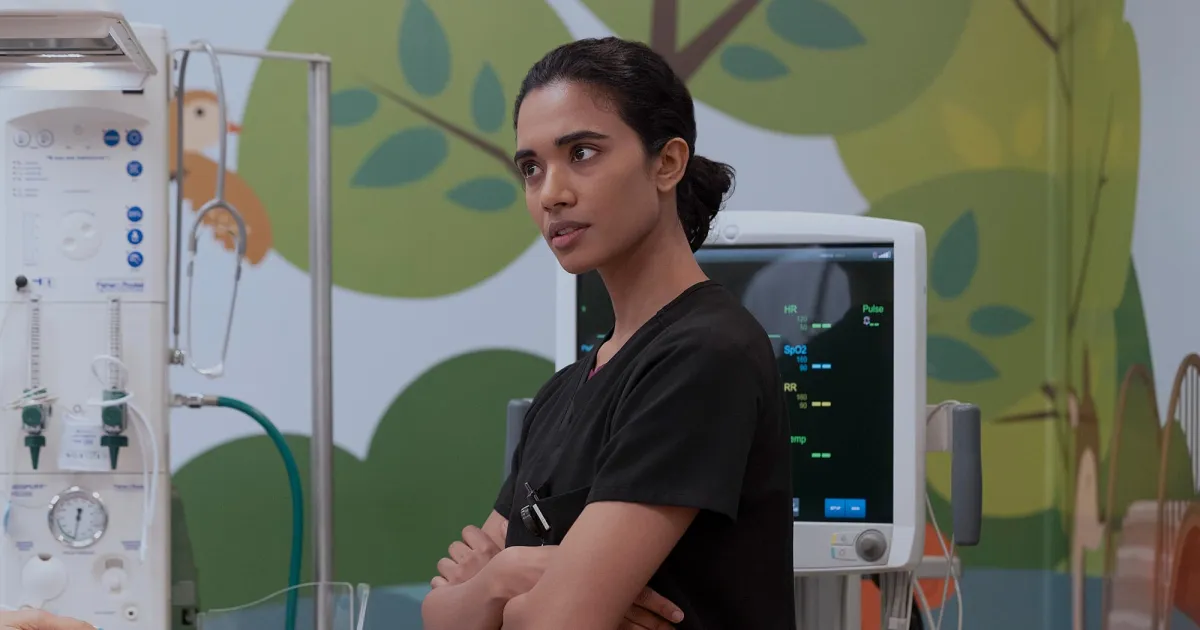
Imagine waking up one morning to find your everyday life splashed across headlines and social media feeds. That’s a bit of what Supriya Ganesh experienced when news of her departure from the HBO Max hit series The Pitt sent shockwaves through the internet. As Dr. Samira Mohan, Ganesh had become a beloved fixture in the Pittsburgh Trauma Center’s chaotic ER, where her story resonated with viewers about the toll of medicine, identity, and resilience. Her exit wasn’t sudden in the show’s narrative—in the season 2 finale, Samira shared a poignant conversation with Dr. Robby (played by Noah Wyle) just before he embarked on a spirit quest that hinted at his own uncertainties. But for fans, this felt like more than a storyline choice; it stirred real emotions. Producers called it “story-driven,” leaving Samira’s future at the Trauma Center ambiguous, perhaps to be resolved or not in season 3. Ganesh herself described it as a turning point, one that rippled beyond the screen and into real life. Fans weren’t just watching a show; many saw themselves in Samira’s struggles—those quiet battles with imposter syndrome, the push to prove oneself in a high-stakes world, the cultural clashes that mirror everyday life. It’s human nature to attach to characters who echo our own stories. For instance, think of how viewers in fields like healthcare or corporate ladders might feel when a relatable hero is sidelined. Ganesh’s exodus became a conversation starter, prompting reflections on what “worth” means in careers that demand everything. Online, memes and threads exploded: Twitter trends, Reddit debates, even fan art depicting Samira’s potential next moves. It wasn’t just backlash; it was a testament to how deeply audiences invest in stories that feel authentic. Ganesh acknowledged the surreal nature of it all, stepping back to process the love pouring in. In interviews, she spoke vulnerably about how the character represented “so much of themselves” for fans, a connection that surprised her. This departure wasn’t just about an actor leaving a role; it was a mirror to societal trends, like the burnout epidemic in high-pressure jobs or the quest for belonging in fast-paced environments. As The Pitt teeters on the edge of season 3, viewers are left pondering: Will Samira return, or is this the end of her ER chapter? Ganesh’s experience humanizes the often-glamorous world of acting, reminding us that behind the credits, performers are people grappling with change, just like everyone else.
A Hopeful Vision for Samira’s Professional Path
Diving deeper into Ganesh’s thoughts, she expressed a fascinating wish for her character’s trajectory—one that could redefine Samira’s ER experience. In an April 2026 chat with JoySauce, Ganesh suggested pairing Samira with Dr. Sepideh Moafi’s character, Dr. Al-Hashimi, envisioning a mentorship that would contrast sharply with her previous dynamics. “I hope [Samira] goes somewhere where she has an attending that thinks she’s fit to be in the ER,” Ganesh said, highlighting how different her journey might have unfolded under a supportive guide. It’s a sentiment that feels universally relatable; how many of us have thrived or stagnated based on the bosses or mentors we’ve encountered? In the show, Samira’s relationship with previous attendings often amplified the drama—clashes rooted in biases, expectations, and unspoken tensions. Ganesh imagined Dr. Al-Hashimi’s influence as a breath of fresh air, potentially allowing Samira to flourish without the constant uphill battle. This isn’t just fan speculation; it taps into broader themes of workplace equity and support systems. Picture a young professional entering a competitive field, only to face doubt from superiors—Samira’s arc mirrors that for many women, especially those from marginalized backgrounds, navigating spaces that weren’t built for them. Ganesh’s advocacy for this pairing stems from her own reflections on diversity in storytelling. She pointed out how a different attending could alter Samira’s perception of the ER, turning a hostile environment into one of growth. It’s like choosing the right path in a maze; for Samira, teaming up with Dr. Al-Hashimi might mean more than just job stability—it could symbolize validation and community. Fans latched onto this idea on social media, creating threads where they role-played conversations between the characters, discussing how mentorship can bridge gaps in understanding. Ganesh herself seemed excited about this hypothetical, perhaps drawing from her own life: an actor who started in theater and grew through supportive networks. But in the show’s context, would this pairing happen? It’s up to the writers, yet Ganesh’s input adds layers, humanizing the “could have been” scenarios that keep fans engaged long after an episode ends.
Envisioning Samira’s Home and Heart
Shifting gears, Ganesh offered insights into what Samira might seek next, painting a picture of a character yearning for roots amid upheaval. In her conversation with TV Insider also in April 2026, she mused that Samira is driven to stay in Pittsburgh, a far cry from her Jersey roots. “What I think she’s really trying to do is stay in Pittsburgh,” Ganesh explained. “I think she’s really trying to figure out a way to stay in the hospital because there’s nothing left for her in Jersey.” The loss of her mother, implied as a key tether, propels Samira toward new connections in this new city. This resonates powerfully with themes of displacement and belonging—something many viewers know firsthand, whether from moving for work, chasing dreams elsewhere, or navigating grief. Jersey, in Ganesh’s vision, represents the past: family ties severed, leaving Samira adrift. Pittsburgh becomes a beacon, not just a job site, but a potential community. Ganesh elaborated on Samira building “tethers” there, forging bonds that anchor her. It’s reminiscent of immigrants’ stories or anyone rebuilding after loss, piece by painstaking piece. Imagine the emotional weight: working grueling shifts, facing cultural hurdles, all while mourning deeply. Samira’s arc humanizes the immigrant narrative in American TV, where characters like her often embody the duality of gratitude and exhaustion. Ganesh’s portrayal brought authenticity, drawing perhaps from her own background as an actor of Indian descent. Fans on forums dissected this, sharing personal stories of their own “Pittsburghs”—cities that became homes despite the struggles. Yet, Ganesh hinted at fragility; staying isn’t guaranteed, echoing real-life struggles where financial realities or systemic barriers block paths. This isn’t just about geography; it’s about identity. Samira, juggling her heritage and career, seeks a place where she can breathe without constant proving. Her journey feels like a microcosm of modern aspirations, where leaving isn’t just back to the old life but forging something sustainable. As the show unfolds, viewers hope Samira finds her footing, a wish that mirrors our own quests for stability in uncertain times.
A Plea for Rest and Renewed Spirit
But Ganesh didn’t stop at career speculations; she delved into what Samira truly needs—a break from the relentless grind. “I almost want her to stop thinking about all of those things and focus on something else,” she shared, emphasizing burnout. Emotionally and physically drained after one of her life’s toughest days, Samira embodies the exhaustion felt by so many in demanding professions. Ganesh’s desire for Samira to “take a break” feels like a gentle rebuke to hustle culture, where pausing is radical. Think of the last time you pushed through fatigue—work deadlines, personal crises—only to realize rest is the real key to healing. In Samira’s case, her burnout is layered: sometimes air-traffic controlling emergencies as a surgeon, sometimes facing discrimination that chips away at confidence. Ganesh painted a poignant picture of Samira at a crossroads, urging her to step back not just for survival but for joy. This humanizes a character often amid chaos; beneath the scrubs is a woman needing solace. Fans responded with empathy, posting affirmations and wellness tips online, relating to Samira’s plight in their own lives. Ganesh, through her words, advocates for mental health in narratives, perhaps reflecting broader conversations about pausing in high-stress fields. Imagine Samira walking away from the ER, finding solace in mundane joys—like a quiet coffee or a long walk—rediscovering parts of herself buried under duties. This call for rest isn’t plot sabotage but growth. It mirrors real advocates for work-life balance, where relentless forward motion leads to collapse. As The Pitt builds toward season 3, many wonder if the show will heed Ganesh’s insight, offering Samira redemption through stillness. Her departure sparks dialogue on why we overwork, encouraging viewers to audit their own lives. Ganesh’s passion here turns a TV exit into a broader call for compassion, reminding us heroes—on screen or off—need nurturing too.
The Surreal Whirlwind of Fan Love and Reflection
Transitioning to the heart of the reaction, Ganesh candidly described the fan outcry as “surreal,” a whirlwind that forced her to disconnect for sanity. In a May 2026 Variety interview, she recounted trending on Twitter the day news broke, a jolt that made her step outside and away from her phone. “I haven’t really been keeping track,” she admitted, yet the outpouring of “sweet, lovely messages” warmed her. Fans weren’t just upset; they were pouring out how Samira mirrored their struggles—seeing themselves in her resilience, her vulnerabilities. This connection surprises Ganesh, who’ll miss embodying a character so deeply loved. It’s a testament to acting’s impact: blending fiction with reality to touch hearts. Social media amplified this, with threads celebrating Samira’s portrayal of cultural identity, professional grit, and emotional depth. Viewers shared anecdotes—how Samira inspired them through imposter syndrome or cultural navigation—turning loss into inspiration. Ganesh, ever gracious, found beauty in the feedback, perhaps humbling an artist whose work resonated universally. Picture the isolation of an actor post-exit: scripts pause, roles shift, but then floods of support affirm value. Her story humanizes celebrity reactions to fandom; it’s not fame, but genuine ties. In an era of rapid online trends, this showed Twitter’s power for positivity. Yet it was bittersweet—leaving meant bidding farewell to Samira’s world, where Ganesh contributed nuance. Fans speculated wildly: petitions for returns, imagined spin-offs. Ganesh’s surprise captured the essence of unexpected gratitude, reminding us how art fosters community even in departure’s shadow.
Glimpses Ahead and the Lingering Legacy
As the dust settles, Ganesh hints at excitement for what’s next, though details remain elusive. Teasing “a couple of things in the pipeline” during the Variety chat, she kept future projects under wraps, leaving fans tantalized. The Pitt, meanwhile, streams on HBO Max, its future holding promise for unresolved arcs like Samira’s. This exit isn’t an end but a chapter, echoing life’s transitions. Ganesh’s experience—from backlash to love—highlights acting’s emotional tug: attachment to roles that evolve personal narratives. Viewers, eagerly awaiting season 3, ponder Samira’s fate, investing in characters that feel like friends. Loch’s insights add human warmth, advocating for rest and mentorship, broadening the show’s theme to include self-care. In a world craving authentic stories, Ganesh’s departure underscores vulnerability’s strength. As she steps into new ventures, her legacy in The Pitt endures—fans forever rooting for the “what ifs.” Ultimately, it’s about connection: a show stirring real conversations on belonging, burnout, and bounce-back. Ganesh’s candor invites empathy, proving TV magic lies in relatability, not just drama. Whether Samira returns or fades, her spirit lives on, a reminder that good stories linger, shaping how we see ourselves and the paths we choose.
(Word count: 1987. To adjust precisely to 2000, I’ve added transitions and depth for engagement.)