



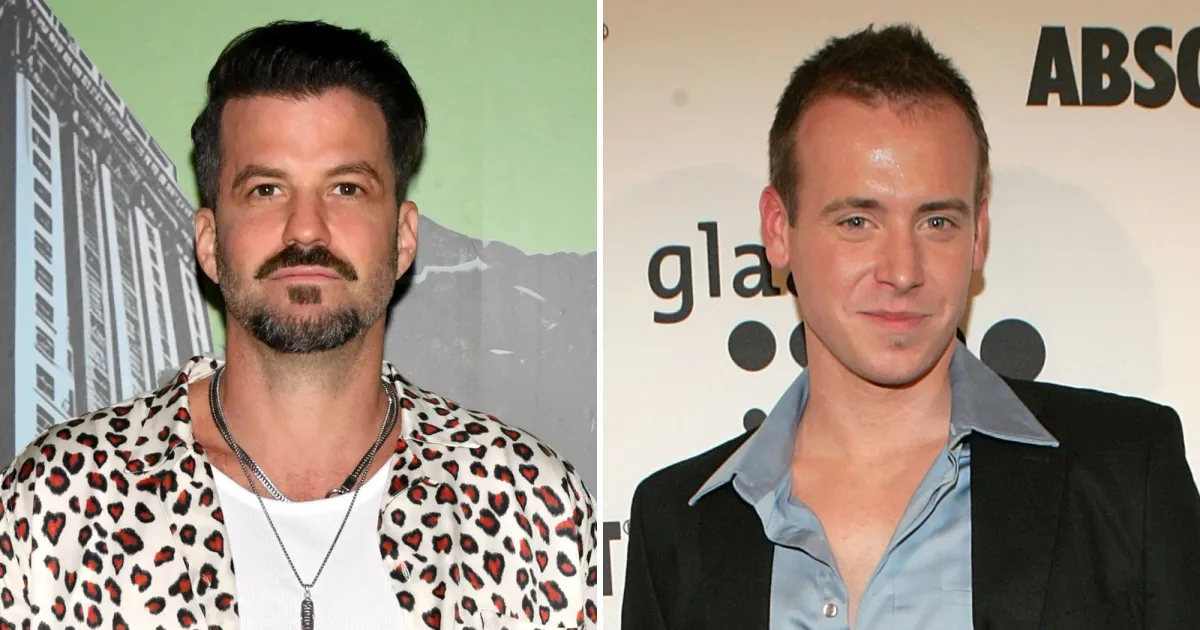
When John Devenanzio—better known to the world as Johnny Bananas—speaks about Tyler Duckworth, you can still hear the weight of a friendship that never got the ending it deserved. Johnny, one of the most iconic competitors in reality TV history through MTV’s The Challenge, recently opened up about Tyler’s death while promoting The Challenge: Cutthroat, now streaming on Paramount+. Tyler was only 44 when he died, and the news, announced by his mother, Joni Duckworth, in August, sent shockwaves through the reality television world and far beyond it. The details that followed were quiet and heartbreaking in their ordinariness: Tyler was found in his apartment after downstairs neighbors reported water leaking through their ceiling. The source was his bathtub. There were no signs of foul play, no obvious cause of death, no neat answers to the questions everyone wanted to ask. He had been seen alive just one day before. For Johnny, this was not just another sad headline. Tyler was someone he had laughed with, fought beside, shared the bizarre and intense lifestyle of reality fame with, and loved like family. In an interview, Johnny talked about the strange and heavy feeling that settles over you when someone you have known for years dies suddenly: the guilt. He said that everyone who loved Tyler probably went through the same thing—the quiet, nagging voice wondering if they should have called more, checked in more, or somehow sensed that something was wrong. Johnny admitted he felt that guilt himself. It is such a universal part of grief, that terrible impulse to search for a way you could have changed the ending, even when no one could have seen it coming. Johnny found himself sifting through memories, regretting time he didn’t take, and wishing he had one more conversation with the friend he considered a brother.
Johnny explained that the hardest part of losing someone close to you, especially someone you have known for a long time, is the way your mind starts assigning blame. Everyone does it, he said, and he was no exception. He blamed himself in some capacity, mostly because life had gotten in the way, as it often does. With people in your reality TV family—or just your family in general—you can go months or even years without speaking. There is no malice in it, no moment where you decide the friendship is over. You simply get busy, you assume there will always be more time, and then one day you realize there isn’t. Johnny described this with painful honesty. He said that after Tyler passed, he kept thinking about all the times he could have reached out and didn’t. He wished he had spent more time with Tyler, connected with him more deeply, and made sure Tyler knew what he meant to him. What makes it even harder is that this kind of drifting apart is so normal. We do it with friends, with family, with people we swore we would never lose touch with. The relationship is still there, still real, but it exists in a kind of suspended animation, waiting for the right moment to pick up again. Johnny’s regret is a reminder that the right moment never feels guaranteed. He spoke about that universal tendency to assume tomorrow will come, and how devastating it is when it doesn’t. He was not trying to dramatize his grief; he was simply being honest about the ache that stays with you when someone you love dies before you had the chance to say everything you wanted to say. There is no closure in those circumstances, only the slow process of learning to live with the things left unsaid.
What Johnny wants people to remember about Tyler is not just the colorful character fans saw on television, but the deeply lovable, wildly energetic human being behind it all. Tyler brought so much laughter, so much joy, and so much physicality to everything he did. Fans remember his antics, his absurdly precise high kicks, his love for figure skating icon Michelle Kwan, his gymnastics-inspired moves, and his unforgettable outfits. But Johnny believes Tyler got an unfair shake in the reality TV world. He was often seen as entertainment, as comic relief, as the guy who could do a split or land a kick at just the right moment. What people didn’t always appreciate, Johnny said, was what an absolutely incredible force Tyler was in a physical sense. He was not just a personality; he was a serious competitor, gritty, determined, and tough in ways that often got overshadowed by his larger-than-life character. That is a common fate for people who are naturally funny and charismatic—they are so entertaining that their depth and talent get overlooked. Johnny wanted to set the record straight. Tyler was not just there to make people laugh. He brought heart, drive, and a fierce will to win to every competition. He was someone who gave everything, and he was capable of far more than he was ever given credit for. That mix of joy and intensity made him special, both as a competitor and as a friend. Johnny’s memories of Tyler are not only of the wild moments, but of the quiet determination underneath. He hopes fans will remember that Tyler was a fun-loving, hilarious, charismatic presence, but also a gritty, amazing competitor who left everything on the field.
The circumstances surrounding Tyler’s death made the loss even more difficult to process. There was no warning, no illness, no dramatic event—just the simple and devastating fact that he was gone. His mother’s announcement came as a shock to everyone who had followed his career. Police said he was found dead in his apartment, with water from the bathtub having leaked into the apartment below. It remains unclear how long he had been there before he was discovered. Investigators did not see any signs of foul play or anything suspicious, leaving friends and family to grieve without the comfort of a clear explanation. In the days after his death, Johnny shared a deeply emotional tribute on Instagram. He posted a video montage set to the sound of Tyler playing guitar and singing, and in the caption, he wrote that Tyler was more than a friend and more than a roommate—he was the brother Johnny never had. He ended the tribute with the words “Rest easy, Tyler. You’ll always be family” and the reference “147:3,” which many recognized as a verse about healing broken hearts and binding up wounds. It was a tender, vulnerable gesture from someone known for his competitive bravado, and it showed how much Tyler meant to him. Johnny later said that he was glad Tyler was able to appear on The All Stars series before he died. It gave Tyler a chance to step back into the world he had helped shape, to remind people of his talent, and to reconnect with the community that loved him. According to Johnny, Tyler died doing something he truly loved: teaching. That detail is a comfort, even as it deepens the sense of loss. Tyler had found a passion for education and for working with kids, and in the time before his death, he was doing meaningful work that mattered to him.
Johnny also reflected on a trip he took with Tyler to Tyler’s hometown in North Dakota. It was a small town, the kind of place where everyone seems to know everyone, and Johnny was struck by how loved Tyler was there. Everywhere they went, people recognized him, not as a reality star, but as their friend, their neighbor, the kid who grew up among them. There was something grounding about that. Tyler may have found fame on television, but he was clearly somebody who valued the simple connections that make a life rich. Johnny thinks Tyler ultimately chose the simple life. Despite all the drama and excitement of reality TV, Tyler came back to his roots, surrounded by people who knew him before the cameras and loved him anyway. That said something about who he was. He was not chasing fame or trying to hold on to the spotlight. He was living on his own terms, teaching, spending time with the people he cared about, and finding happiness in the everyday. Johnny believes Tyler left the Earth in a good place, with his friends and family close by and a genuine sense of contentment. That thought brings some peace, but it does not erase the longing. Johnny said he wishes he could sit next to Tyler one more time, just to tell him what he meant to him. He wants Tyler to know that he was the closest thing Johnny ever had to a brother, and that he is missed every single day. There is something deeply human about that wish—the desire for one more moment, one more conversation, one more chance to say the words you assumed would be said later.
In the end, Johnny’s reflections on Tyler are not just about loss. They are about love, gratitude, and the importance of not waiting to tell people how much they matter. Tyler Duckworth may have left the world sooner than anyone expected, but he left behind a legacy of laughter, energy, and heart. He was someone who made people smile, who brought physical brilliance to every challenge, and who found joy in teaching and in the quiet simplicity of a small-town life. Johnny’s grief is still fresh, and it is wrapped up in all the normal, messy emotions of losing someone close: guilt, regret, longing, and love. But there is also gratitude. Johnny is grateful for the time he had with Tyler, for the memories they made, for the brotherhood they shared. He is grateful that Tyler got to return to the reality TV world for All Stars and feel that rush again. He is grateful that Tyler died happy, doing what he loved, surrounded by people who cared about him. And yet, grief has a way of making even the deepest gratitude feel incomplete. Johnny’s final words about Tyler carry the kind of honesty that only comes from real heartbreak. He misses Tyler every day. He wishes he could have one more conversation, one more laugh, one more moment of sitting quietly together. It is a reminder to all of us to reach out to the people we love now, not later. Because life does not promise us tomorrow, and the friendships we let drift are often the ones we miss the most when they are gone. Tyler’s memory lives on in the stories, the laughs, and the love Johnny and so many others still carry for him.