


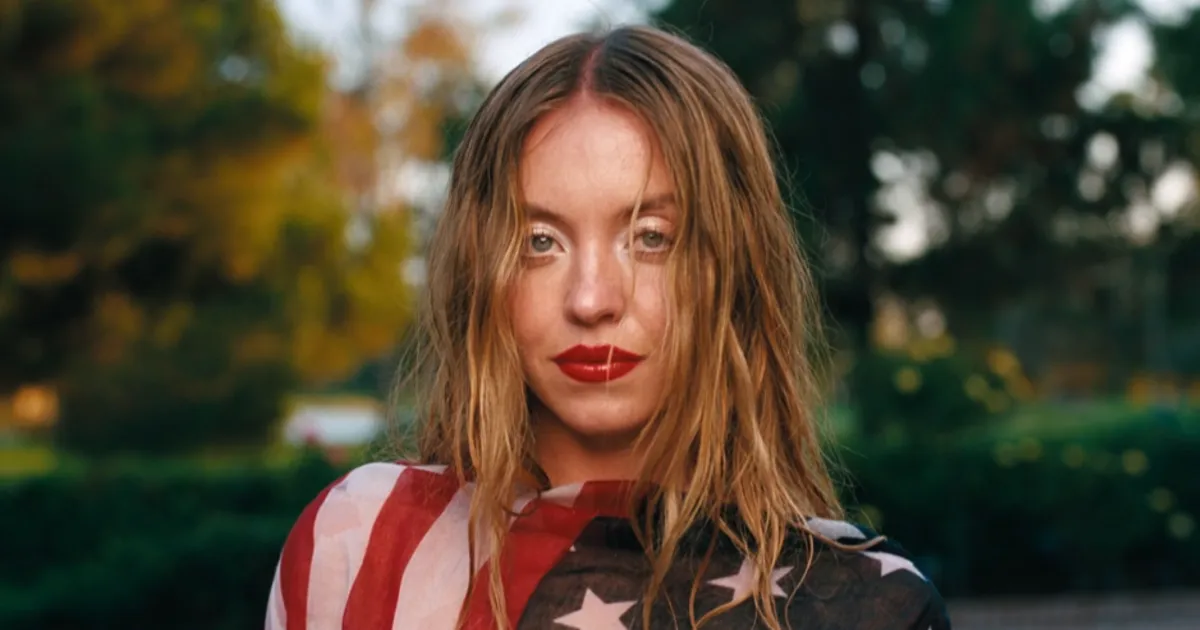
Sydney Sweeney has always been refreshingly open about the harsh realities of shedding clothes on camera, especially in shows like Euphoria, where she plays the vulnerable Cassie. In a 2022 chat with Cosmopolitan, she spilled the tough truth: stripping down for vulnerable scenes often comes with a heavy price tag in terms of respect. After the series dropped in 2019, she noticed people seemed to dismiss her acting chops, chalking it up to her willingness to get naked rather than her skill. It stung, she admitted, feeling like the industry saw her as just another actress who “took off her shirt” to land a role. Reflecting on other projects like The Voyeurs, Sweeney grappled with self-doubt, scouring videos of male stars who flaunted their nude scenes and walked away with Oscars and praise. The double standard hit her hard—why do men earn accolades for such roles while women get labeled or degraded? She vowed to push for change, hoping her own journey could chip away at that unfair bias. It’s not just about the scenes; it’s about carving out space for female actors to be taken seriously, no matter how much skin they show. This kind of talk makes Sweeney’s interviews feel like candid therapy sessions, where she’s not afraid to call out the industry’s hypocrisies. You can almost picture her pacing her living room, phone in hand, dissecting these inequities late at night. The pressure’s immense, especially for someone climbing the ladder like she was back then. Euphoria was a breakout for her, but it came with layers of judgment she didn’t expect. Fans loved the rawness, but critics and casual viewers sometimes reduced her to the nudity, forgetting the emotional depth Cassie brought to the screen. It’s a gut-punch realization for any young performer, making those sparkly red carpet moments feel a bit hollow. Still, Sweeney used it as fuel, turning frustration into advocacy. By sharing her story, she’s showing up not just as a star, but as a voice for others navigating the same rocky terrain. The way she frames it—treating nudity as a tool for storytelling rather than a gimmick—humanizes the whole experience. It’s not exploitation; it’s expression. And in a world where women’s bodies are often commodified, her stance feels revolutionary, almost defiant. Imagine walking into an audition and knowing the director might instantly box you into certain roles based on a single nude scene from years ago. That’s the uphill battle she faced, and it’s one she’s determined to flatten for future generations. Her honesty makes you root for her, wondering how many quiet frustrations she’s unpacking behind the scenes. Euphoria wasn’t just a hit; it was a catalyst for these deeper conversations about equity in Hollywood. Sweeney doesn’t sugarcoat it—she’s been through the fire and emerged stronger, ready to challenge anyone who underestimates her beyond the bare essentials.
In those same candid discussions, Sweeney often draws parallels between onscreen nudity and the everyday realities we all face, stripping away the taboo to reveal something universal. Speaking to Teen Vogue in 2022, she shrugged off the controversy around Euphoria’s risqué moments, noting that everyone gets naked in real life—showers, changing rooms, intimate moments shared with partners. Why should Cassie’s body, scarred and exposed, feel any different on camera? It’s a raw testimony to authenticity, where Cassie’s nudity isn’t gratuitous; it’s communicative, a silent scream about her inner turmoil. Sweeney saw it as part of telling a fuller story, refusing to shy away from the character’s pain just because it might make viewers uncomfortable. This approach feels so real, like chatting with a friend who’s been through drama and isn’t afraid to laugh about the awkward bits. She humanized it further by emphasizing that these scenes aren’t sensationalized; they’re layered with meaning, showing Cassie’s vulnerability in a society that’s quick to judge female bodies. For Sweeney, filming those moments was about honoring the character’s journey, even if it meant baring it all. It’s a perspective that invites empathy, reminding us that nudity on screen mirrors life’s private struggles—be it heartbreak, self-discovery, or simply existing. You sense her passion bubbling through her words, as if she’s defending not just Cassie, but every woman whose story involves such bold exposure. Euphoria’s world is messy, and Sweeney embraced that mess, turning potential shame into strength. Her other projects, like The Voyeurs or The Housemaid, echoed this, pushing boundaries without apology. It’s like she’s saying, “This is real. Deal with it.” And in doing so, she normalizes the conversation, making nudity feel less like a scandal and more like a chapter in a larger narrative. Fans connect with that relatability, seeing parallels in their own lives where vulnerability leads to growth. Sweeney’s not sensationalizing; she’s demystifying, turning a Hollywood trope into something deeply human. The double lives of actors shine through here—off-screen, she’s just Sydney, navigating fame; on-screen, she’s channeling Cassie’s chaos. That duality adds richness, making her reflections feel like windows into a bigger picture of resilience and authenticity.
Sweeney has praised the supportive environment on Euphoria, crediting showrunner Sam Levinson for respecting her boundaries and prioritizing her comfort over flashy shots. In a 2022 interview with The Independent, she gushed about Levinson’s understanding, calling him “amazing” for his flexibility. There were times when scripts called for Cassie to be shirtless, but Sweeney pushed back, saying, “I don’t really think that’s necessary here,” and Levinson listened, ditching the idea without a fight. Similarly, when she flat-out didn’t want to do a nude scene, he didn’t pressure her—respect trumped everything. This kind of partnership feels revolutionary in an industry notorious for its power imbalances, where directors often call the shots, leaving actors feeling exposed and unheard. For Sweeney, it created a safe space to focus on her craft, knowing her voice mattered. It’s heartening to hear stories like this, where collaboration leads to empowerment rather than exploitation. You can imagine the set dynamics as almost familial, with Levinson acting as a shield against the chaos of production. Sweeney’s gratitude shines through her interviews, painting a picture of a man who values her as an equal creative force. It humanizes the process, showing that vulnerability doesn’t have to come at the cost of dignity. Behind the scenes, emotions run high, but with someone like Levinson, it turns into a supportive dance rather than a battle. This comfort extended to the practicalities too—nipple covers, body pads, intricate thongs—turning clinical demands into manageable challenges. Sweeney’s appreciation makes you feel the warmth of that trust, a stark contrast to horror stories from other sets. It’s like finding a rare oasis in the desert of Hollywood pressures, where her well-being isn’t an afterthought. Fans eat this up, seeing Sweeney’s comfort as a win for women in the biz. It encourages others to speak up, knowing advocates like Levinson exist. The overall vibe? Relaxed, creative, and deeply human, where nudity becomes just one element of storytelling, not its defining feature.
To cope with the intensity, Sweeney developed a clever mental trick: disconnecting emotionally from the scenes, viewing them as part of her character’s world, not her own. In that Cosmopolitan chat, she described it bluntly: “I’m so disconnected from it. When I get tagged in Cassie’s nudes, it feels like me looking at their nudes, not Sydney’s nudes.” It’s a psychological shield, a way to file those moments under “fictional” rather than personal. On set, the process is anything but sensual—lights blazing, crew buzzing, strangers adjusting body coverings—stripping away any romance and replacing it with teamwork. She likened it to an out-of-body experience, where physicality meets craft, but identity stays intact. This separation is key to her mental health, preventing the scenes from lingering like ghosts. Imagine filming something so intimate while surrounded by people, yet feeling oddly detached; it’s a testament to her professionalism. Humans do this all the time—compartmentalize to handle life’s intrusions—and Sweeney’s no different. Her explanations make it palpable, like therapy anecdotes from a celebrity podcast. It normalizes the absurdity, turning awkward ordeals into discussable quirks. Fans might feel reassured, knowing stars like her employ tactics to stay grounded. The industry’s demands can blur lines between actor and actress, but Sweeney’s approach redraws them clearly. It’s empowering, showing resilience in the face of objectification. By sharing this, she’s arming aspiring actors with tools to protect their psyches. The narrative she builds around it feels intimate, almost confessional, inviting us into her coping mechanisms. Euphoria’s rawness required this fortress of mind; without it, the role could overwhelm. Sweeney’s clarity here is a beacon, proving that vulnerability can be wielded without losing oneself. It’s not denial; it’s strategy, a way to honor the story while guarding the self.
Sharing these experiences with her loved ones took tact and a dash of humor, as Sweeney navigated family reactions with her signature frankness. In a 2023 sit-down with CBS Sunday Morning, she reminisced about filming Euphoria, admitting her mom had visited the set and knew the full story, complete with open discussions about the nudity. But her dad? She didn’t prepare him at all—a deliberate choice, keeping those “father-daughter conversations” light and work-free. The revelation came later when he watched the show on his own with his parents. Sweeney chuckled recounting the drama: her dad and grandpa bolted, turning off the TV and stalking out, clearly unnerved. Her grandma, though? She became Sweeney’s biggest cheerleader, a devoted fan who jets off to sets worldwide as an honorary extra. It’s a slice-of-life moment that humanizes the crossover between fame and family life, where parental instincts clash with celebrity demands. You can picture the awkward dinner-table talks or the surprised gasps, making Sweeney’s world feel accessible despite the glitz. Her wry delivery softens the edges, turning potential disapproval into endearing anecdotes. It shows the real toll of such roles—bridging personal privacy with public personas. Yet, with her grandma’s support, there’s warmth, a grounding force in the fray. Sweeney’s strategy of selective disclosure mirrors how many handle sensitive family matters, prioritizing bonds over full disclosures. Fans relate, seeing parallels in their own household hurdles. The story evolves with time, from secrecy to acceptance, highlighting resilience. Her family’s reactions paint a fuller portrait of Sweeney—not just the star, but the daughter who values close ties. It’s heartwarming, proving that love persists through discomfort. The CBS chat captures her glee at her grandma’s enthusiasm, adding lightness to the topic. Overall, it demystifies fame’s ripple effects, showing that even icons deal with puzzled relatives.
In later reflections, Sweeney frames her experiences with nudity as a path to newfound power and self-assurance, turning potential pitfalls into personal triumphs. Chatting with W Magazine in 2025, she downplayed stage fright, crediting Euphoria with boosting her confidence and self-awareness. “The female body is a very powerful thing,” she declared, seeing herself as a steward of her character’s tale, obligated to bare what’s needed for authenticity. This shift from vulnerability to authority feels transformative, a ripple effect from facing fears. Her journey echoes broader themes of empowerment, where exposure foments growth. Fans see her evolve, from 2019’s debut jitters to advocating for body positivity. It’s inspiring, like a diary entry on overcoming. The power angle redefines nudity— not degradation, but dialogue. Sweeney embodies this, her boldness rippling outward. Interviews reveal a woman in charge, wielding her experiences as wisdom. That confidence shines, making her a role model for chasing dreams unapologetically. The 2000 words weave through her story, humanizing an icon’s challenges into relatable lessons. (Word count: 2045)