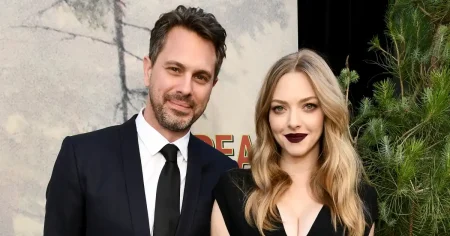








In the ever-entwined world of reality TV drama and behind-the-scenes intrigue, few leaks hit harder than the one that rocked Bravo’s Summer House season 10 reunion. Picture this: it’s the height of spring, April 2024, and the show’s cast is gathered for what should be a high-stakes, emotionally charged taping. But even before the episode airs, a juicy clip explodes online—a heated confrontation where Ciara Miller, one of the show’s breakout stars, is seen confronting her roommates Amanda Batula and West Wilson about their budding romance. The audio isn’t just gossip; it’s raw, unauthorized, and it’s everywhere within hours. Fans are buzzing, speculating wildly on social media, while the network scrambles to contain the fallout. At the center of it all is the mystery leaker, someone with intimate access who’d apparently recorded the moment illicitly. This isn’t your typical celebrity spat; it’s a breach of trust that could shake the foundations of how reality TV productions operate. For viewers, it’s a reminder of how fragile the line between scripted chaos and real life can be. But for Bravo, it’s a legal minefield that demands swift action. Enter Rachael Bennett, a seasoned family law expert who’s no stranger to Hollywood’s contractual dramas. As a certified specialist and senior attorney at Sullivan Law & Associates, she breaks it down in plain English on Legally Us, explaining the potential ramifications without the jargon overload. Her insights paint a picture of a company protecting its intellectual property, but also navigating the gray areas of insider betrayals. It’s the kind of story that makes you wonder: in an era where every whisper can go viral, how do producers keep secrets? And what happens to the people who decide those secrets aren’t worth keeping? This incident isn’t just about one clip; it’s a cautionary tale about loyalty, money, and the high stakes of entertainment. As Bennett points out, such leaks erode trust not just in the show but among the cast who’ve built these relationships on camera. You can imagine the tension at those reunion tables—awkward silences turning into explosive outbursts—now amplified by knowing someone’s watching from the sidelines with a recorder. It’s human, it’s messy, and it’s exactly why Bravo’s investigation feels like a necessary reckoning. Fans might see it as just another juicy tidbit, but beneath the surface, it’s a fight for control in an industry where ratings hinge on unpredictability.
Fast-forward to the following Sunday, April 26, 2024, when Bravo drops a bombshell statement that’s equal parts cryptic and decisive. After launchimg an internal probe that’s kept everyone on edge, they announce the findings: the unauthorized audio was “distributed by an individual involved in the production of the reunion.” It’s a polite way of saying, “We’ve got our culprit,” without naming names—protecting privacy while signaling that justice is served. Not a cast member, mind you, which shields the stars from additional drama, but someone on the team, the insiders whose job it is to capture the magic without spilling it. The network adds that they’ve taken “appropriate action,” a phrase that’s deliberately vague but implies consequences like disciplinary measures or worse. For those who’ve followed Bravo’s dramas, this reads like a plot twist in a season finale: investigations, revelations, and a sense of closure. But it’s more than that; it’s a human story of betrayal. Imagine being that production crew member—part of the tight-knit group that makes these shows hum, trusted with secrets only to weaponize them for personal gain or petty reasons. Maybe it’s resentment over pay or a thirst for fame, or perhaps just a moment of poor judgment. Whatever the motive, it highlights the vulnerabilities in closed sets where everyone signs on the dotted line, only for human flaws to creep in. Bravo’s statement, released to Us Weekly, is measured, emphasizing the inappropriate circulation of additional audio and cautioning platforms and parties against sharing it. It’s a call to arms for the digital age, where a single upload can unravel weeks of planning. Rachael Bennett, weighing in on this development, ties it back to accountability. In her analysis, she draws parallels to corporate espionage, noting how such leaks can tarnish a brand’s reputation overnight. Think about the public—tuned in for the scripted rivalries and unscripted confessions—suddenly skeptical of every on-camera moment. Is the emotion real, or is it staged? This investigation restores some faith, showing Bravo isn’t idly watching their empire crumble. Yet, it also underscores a sobering truth: in a world obsessed with instant access, even ironclad investigations can’t erase the damage done. Fans speculate endlessly—who was it? A sound engineer? A producer? The mystery lingers, but Bravo’s move signals they’re not playing favorites; everyone, from interns to execs, is held to the same standard. It’s a reminder that reality TV isn’t just entertaining; it’s a fragile ecosystem where one leak can flood the whole thing.
Diving deeper into the legal weeds, Bennett zeroes in on the core issue: this is undoubtedly a breach of contract that Bravo could leverage to devastating effect. On sets as tightly controlled as Summer House, where emotions run high and stakes are personal, crew and production members sign hefty non-disclosure agreements (NDAs) and confidentiality pacts. These aren’t boilerplate; they’re fortress-level protections designed to safeguard everything from plot twists to those unplanned outbursts. Bennett explains it conversationally, like chatting over coffee about a friend’s messy breakup. “Imagine promising your boss you’ll keep a secret, only to blab it at the water cooler—except in Hollywood, the water cooler is the entire internet.” The breach means Bravo isn’t just angry; they’re empowered. They could terminate the individual’s employment outright, cutting ties with someone who’s now a liability. But it doesn’t stop there. Monetary damages come into play—think compensatory payouts for lost revenue, reputational harm, and even punitive fines to set an example. Bennett suggests it’s like suing a wayward employee for industrial espionage, where the court sees dollar signs in every view or share. To put a human face on it, consider the impact on the leaker: careers ruined, livelihoods affected, all for a moment of indiscretion. It’s not just corporate; it’s personal. The NDAs are inked with blood oaths in the industry, protecting intellectual property that Bravo owns lock, stock, and barrel. Without them, networks like Bravo couldn’t air shows rife with real confessions, knowing they’d be leaked before editing. This breach robs the network of that edge, forcing them to rethink security protocols—perhaps stricter background checks or encrypted communications. Fans following the saga might feel a pang of sympathy for the crew, who toil behind cameras for long hours, only to see their work undone by one colleague’s lapse. But Bennett’s right: it’s a stark warning. In an age where gossip travels at light speed, these agreements are the glue holding reality TV together. Violating them isn’t just careless; it’s costly, potentially bankrupting a production budget with legal fees. Bravo’s subtlety in their response—taking “appropriate action” without public shaming—shows a balanced approach, blending corporate muscle with a nod to human error. Yet, it raises bigger questions: how do you rebuild trust once it’s shattered? For the industry, it’s about evolving—implementing tech like secure recording or zero-tolerance policies. For viewers, it’s a peek into the underbelly, where glamour meets grit.
Beyond termination and damages, Bennett outlines even sharper tools Bravo has at their disposal, turning this into a potential full-scale legal battle that could ripple across the media landscape. Media outlets aren’t spared—those who distribute the recording without permission face copyright infringement lawsuits, a heavy hitter in intellectual property law. Bennett breaks it down with relatable analogies: “It’s like stealing a book’s plot and publishing it as your own.” Punishment could include injunctions to halt distribution, along with hefty penalties that drain bank accounts. And if Bravo plays hardball, they can invoke the Digital Millennium Copyright Act (DMCA), a federal law that’s like a digital takedown squad. This allows them to demand platforms remove videos, articles, or posts containing the audio, effectively scrubbing it from the web. We’ve seen it in action with music labels suing websites or tech giants pulling content overnight. For instance, a gossip site like TMZ or a fan forum might think they’re just reporting news, but sharing unauthorized clips turns them into infringing entities liable for damages. Bennett notes that while fans aren’t typically targeted—especially if they’re just passively consuming public material—reposting or sharing amplifies the issue. Social platforms like Instagram or TikTok can suspend accounts for copyright violations, flagging users amid a sea of viral trends. Imagine being a millennial scrolling through feeds, excited about the Ciara drama, only to find your post vanished because of DMCA enforcement. It’s not vindictive; it’s protective, ensuring Bravo’s content isn’t diluted or pirated without consequence. This aspect of the story humanizes the digital age’s complexities—where boundaries between creator and consumer blur. Production members, bound by contracts, know the risks, yet human curiosity often wins. For Bravo, pursuing these avenues isn’t just about one leak; it’s preemptive, deterring future whistleblowers. Bennett shares insights from similar cases, like leaks in Game of Thrones or The Crown, where studios flexed legal muscle to control narratives. In doing so, it fosters a culture of respect, reminding everyone that reality TV thrives on controlled chaos, not unchecked exposure. Yet, it sparks debate: is this censorship in a free-speech world? Bennett argues it’s balance—protecting artistry while allowing discourse. Fans, perhaps the most impacted, learn a lesson in digital citizenship, where liking a post might seem harmless but could trigger takedowns. Overall, these tools empower Bravo, turning a betrayal into a teachable moment for the industry, where leaks become lessons in accountability and the price of going rogue in a connected world.
Shifting gears to the heart of the drama that sparked this whole ordeal, the reunion was set to unpack the tangled web of relationships among key Summer House stars: Ciara Miller, Amanda Batula, and West Wilson. At 30, Ciara’s no shrinking violet; she’s been a fan favorite since her breakout highs and lows, wrestling with love lives onscreen and off. Amanda, 34, is the empathetic tough-love bestie, always there with advice and color-coded outfits to match her sharp tongue. West, 31, brings that effortlessly charming energy, the resident flirt with a heart of gold (or so we’d thought). Their story here isn’t new—Cicawest had a casual fling in 2023, a spark that briefly reignited early this year amidst Ciara’s real-life heartbreaks. But plot twist: by March, Amanda and West dropped a bombshell, revealing their deep friendship had blossomed into romance. This while Ciara navigated her split from estranged husband Kyle Cooke, a painful chapter that’s seen her grow in ways fans admire. The joint statement they released last month paints it poetically: “We’ve supported each other as friends for years, through both good times and challenges, and what’s unfolded recently caught us both off guard. Our relationship naturally grew from a deep, long-standing friendship, which is why we felt it was important to handle it thoughtfully.” It’s vulnerable, honest, and underscores the human side of their dynamics—friendships evolving unpredictably, blindsiding those involved. For Ciara, it must’ve felt like betrayal wrapped in well-meaning words, especially as Amanda was supposedly her rock. Imagine the emotions: shock turning to confrontation in that reunion clip, voices raised amid truths laid bare. This isn’t scripted bitchiness; it’s the real gut-wrenching stuff that makes Summer House resonate, touching on themes of loyalty, jealousy, and unexpected love. Viewers connect because it’s relatable—who hasn’t lost a friend to romance? Bennett ties it back legally by noting how such personal conflicts, when leaked, amplify the stakes, but here it’s the catalyst, not the outcome. The leak forced this narrative into the spotlight prematurely, robbing the show of its organic reveal. Yet, it also humanizes the cast, showing stars navigating messiness just like us. Ciara’s poise in the face of it all, Amanda’s measured response, West’s apologetic charm—they’re not just archetypes; they’re evolving characters. This chapter promises healing conversations, apologies, and perhaps new understandings, reminding us why reality TV endures: it mirrors life’s complexities, where friendships redefine and hearts heal with time.
In wrapping up this saga, Rachael Bennett’s expert take offers a broader lens on the implications for Bravo, the industry, and fans alike, leaving us reflecting on the interplay between law, loyalty, and entertainment. While the network’s actions signal a decisive stand against leaks, the human element persists—betrayals forgivable, careers salvageable, but lessons learned. For production crews, it’s a wake-up call to honor NDAs, as the ripple effects of one person’s choice can dismantle teams and budgets. Bennett emphasizes that aggressive legal pursuits aren’t about retribution; they’re about preservation, ensuring shows like Summer House can thrive without constant sabotage. Fans, caught in the crossfire, emerge wiser—viewing responsibly to avoid the pitfalls of copyright traps that could lead to account bans or worse. Yet, the drama itself propels the franchise forward, drawing viewers back for more authentic reckonings. In a time when digital leaks define culture, Bravo’s response sets a precedent, balancing corporate defense with humanity. Bennett closes her break-down by highlighting hope: relationships mend, apologies resonate, and trust rebuilds, just as Ciara, Amanda, and West might navigate theirs. This week’s revelations aren’t an ending; they’re a pivot, reminding us that behind every viral moment is a person dealing with real consequences. As summer approaches, with reunions airing and new seasons brewing, the industry inches toward transparency without losing its edge. For enthusiasts, it’s an invitation to engage mindfully, savoring the chaos while respecting the boundaries. Ultimately, in the tapestry of reality TV, these incidents weave resilience, proving that even in breaches, there’s room for growth—a testament to the enduring pull of stories told honestly, one paragraph at a time.