






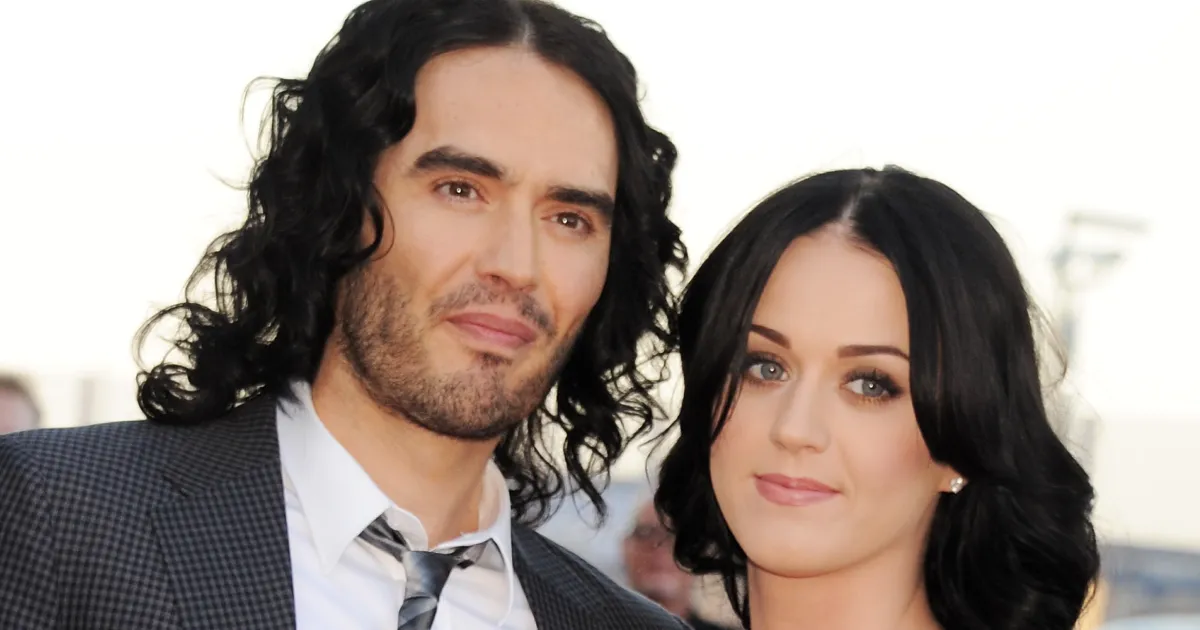
Russell Brand, that endlessly charismatic comedian and podcaster who’s built a career on blending humor with deep dives into life’s messier sides, recently sat down for a heartfelt chat on SiriusXM’s The Megyn Kelly Show back on April 22. At 50, he’s the kind of guy who doesn’t shy away from spilling his guts, and this time, he turned the spotlight inward, reflecting on his brief but whirlwind marriage to pop icon Katy Perry, who’s 41 and still lighting up the charts with her infectious energy. They said “I do” in October 2010 after what must’ve felt like a fairy tale romance—two famous faces colliding in a blaze of paparazzi flashes and dreams. But fairytales don’t always end with happily ever after; the reality hit hard when Brand filed for divorce just over a year later, in December 2011, wrapping up the paperwork by July 2012. Fifteen months of marriage isn’t a lifetime, but it’s enough to leave scars and stories, and in this interview, Brand wasn’t just recounting events—he was sharing a vulnerable side, admitting he didn’t handle it all that well. It’s easy to picture it, isn’t it? Two high-profile artists in their prime, navigating love in the fishbowl of celebrity. Megyn Kelly, with her background in politics and current affairs, probably probed just right to get Brand opening up, and what emerged was a tale of self-doubt, unrealistic expectations, and the honest reckoning that comes with hindsight. You know, personnalité like Brand often seem bulletproof on stage or screen, but behind the scenes, they’re just like us—flawed, searching, sometimes making decisions based on fleeting emotions rather than solid ground. This conversation felt like a therapy session broadcast to millions, and it reminded me how even the loudest voices grapple with the quiet whispers of inadequacy. In his words, he stepped into that marriage not as a peer in love, but as someone fishing for validation from outside himself. It’s a relatable struggle, that need to anchor your self-worth to someone else’s shine, and Brand laid it bare, turning a celebrity breakup into something almost everybody can nod along to. The way he phrased it during the show really painted a picture: imagining falling in love amplified by the world’s applause, like everyone cheering not just for the romance, but for the spectacle of it all. And then there’s Katy—bright, bubbly, with her trademark smiles and stadium anthems. Brand called her “really lovely” with an innocence that counters her superstar facade, a reminder that beneath the glitter, we’re all pretty mundane when it comes down to it. He talked about seeing beyond the fame, to the hardworking woman behind “Roar” and “California Gurls,” someone grinding through tours and headlines. It humanizes her, you know? Takes her from pop deity to a young woman chasing dreams, much like anyone with ambition. Brand’s take was that he wanted to “grab” that fame, that adoration, almost possessively, because deep down, he felt like he wasn’t enough on his own. Rushing into marriage wasn’t about true partnership; it was a band-aid for his insecurities. He knew her as a normal person—famous or not, everyone shares those private moments like dealing with allergies or just being human. But externally, she was this “big, glorious thing,” and he clung to it, hoping it would elevate him. It’s sad, really, how we sometimes treat loved ones like trophies rather than equals. In the interview, he owned it completely, saying, “I pushed to get married early because I felt inadequate and insecure and that I wasn’t enough.” No sugarcoating, no blame-shifting—just raw admission that his desperation put unintended weight on her shoulders. This kind of candor from a guy who’s often in the hot seat for his own antics makes you appreciate the growth. Reflecting now, decades later, he sees it wasn’t the right fit, even if it was intoxicating at the time. The pressure he described—expecting the marriage to fix his inner voids—echoes in so many relationships, those hopes pinned on another person to fill the gaps life’s left unfilled. It’s not uncommon; we’ve all dated hoping a partner would chase away our loneliest fears. But relationships aren’t magic fixes, and Brand’s story illustrates that painfully. His current life, married to Laura Gallacher since 2017, seems to stem from this lesson—he calls her his “incredible wife,” implying the real happiness came from addressing himself first.
Delving deeper into Brand’s revelations, he painted a vivid portrait of the strain his insecurities imposed on their union, turning what should’ve been a fresh start into a test neither was fully equipped for. Katy Perry, he emphasizes, was still a “very young woman” at the time—a rising star barely out of her early 30s, pouring her soul into her craft while the weight of sudden expectations piled on. It’s not hard to empathize with her; imagine being thrust into marriage with someone who’s emotionally checking out, all while juggling sold-out arenas and media scrutiny. Brand admitted his role in creating that pressure, labeling it “unnecessary” and confessing it strained their bond in ways that felt insurmountable. He likened it to grabbing hold of a dream that slips through your fingers, especially when self-doubt colors every moment. Thinking back, he recalled feeling lonely amidst the glamour, questioning why this enviable setup—a home with a pop superstar—felt so hollow. “Hold on a minute, I’m lonely and this isn’t working,” he echoed in the interview, a stark contrast to the initial rush of that compounded adoration from fans and public alike. It highlights how external validation can mask internal turmoil, leading to marriages built on shaky foundations. In Brand’s case, the excitement of love inflated by celebrity amplified his feelings, but the reality of two individuals navigating fame’s isolation brought it crashing down. He didn’t blame Katy; instead, he took full accountability, recognizing how his push for early commitment stemmed from a fear of not measuring up. This vulnerability is what makes celebrities relatable—they face the same human quandaries, like insecurity breeding premature decisions. It’s lessons we can all learn from: rushing into big commitments won’t automatically patch inner woundedness. Brand’s willingness to dissect this now shows maturity, contrasting sharply with the younger, more impulsive version of himself who sought external fixes for personal shortcomings. Reflecting on it today, with the benefit of time and therapy-like insights, he sees the divorce as a necessary pivot, clearing the path for authentic growth. That kind of honesty isn’t just refreshing; it’s inspiring, proving that even public figures can evolve beyond their mistakes. Katy’s innocence, combined with her relentless drive, dazzled him, yet it also underscored the imbalance—he was floundering while she was soaring toward global superstardom. In the conversation, he admired her dedication, noting how she’d hustle tirelessly, building an empire one hit at a time. It wasn’t that he didn’t see her as a real person; he did, in those mundane, authentic moments shared behind closed doors. But fame’s glow often blinds us to the equality needed in partnerships. His crisis of loneliness sprung from this disconnect—the fast-paced world of pop stardom clashing with his own inner struggles. “You’ve married a pop star, come on,” he thought at the time, as if that should erase all doubts. Yet it didn’t, revealing how surface-level allure can mask deeper incompatibilities. The pressure he exerted, unwittingly, forced Katy into a role she couldn’t fully embody—a savior for his ego—while she chased her own destiny. This dual pursuit created cracks that widened under the spotlight, leading to the inevitable end. Now, looking back, Brand sympathizes with the young man he was, that frantic seeker of self-worth through another’s achievements. It’s a reminder for us all to confront our insecurities head-on rather than burying them in relationships. His story, shared openly, underscores the importance of emotional readiness before tying knots, especially when careers and egos intertwine. Katy’s success, he noted, wasn’t accidental; it was her dream pursued with tireless focus, making her the powerhouse she is today. In his reflective mood, he credits fate for letting it dissolve, allowing him room to find true compatibility later. The lens of hindsight paints a clearer picture: marriages thrive on mutual support, not one-sided burdens of expectation. Brand’s admission feels like a cautionary tale wrapped in empathy, encouraging listeners to prioritize self-healing over shortcut fixes. It’s human stuff, really—the kind of wisdom that comes from lived experience, turning past regrets into forward momentum. Even as he owns his faults, he speaks fondly of Katy’s qualities, that blend of innocence and ambition that captivated him initially. This balance keeps the narrative from bitterness, instead leaning into growth. Publicly unpacking this helps demystify celebrity unions, showing they’re subject to the same frailties as ours. Ultimately, Brand’s take mitigates blame by focusing on personal evolution, a narrative arc that resonates deeply in an era obsessed with relationship drama.
When Russell Brand peels back the layers on Katy Perry’s career amidst their marriage tales, it adds another thoughtful layer to his candor, reminding us of the divergent paths they walked. As he put it, Katy was deep in pursuit of her dream to become the world’s most famous pop star—a journey that demanded every ounce of her energy, leaving little space for the extra pressures of a struggling marriage. Picture this: a young artist in her prime, navigating tours, hit singles, and the omnipresent gaze of fame, while her partner wrestles with his own crises. Brand respected that grind, calling her “incredibly driven” and acknowledging the hard work it entailed. He saw her not just as a celebrity, but as someone hustling like mad behind the scenes—those relentless days and nights that fuel breakout successes. It couldn’t have been easy for her to juggle that intensity with the emotional rollercoaster of their union, especially since Brand admitted he couldn’t shoulder his end properly. This mismatch in life stages and priorities became a chasm too wide to bridge, highlighting how careers can eclipse personal bonds if not tended carefully. Reflecting now, Brand views it as fortuitous that things unraveled, because it paved the way for his marital happiness with Laura Gallacher, whom he married in 2017. He phrased it poetically, saying he was “fated” to wed her, implying the breakup was a catalyst for better alignment. It’s a silver lining drawn from hardship, a testament to life’s twists leading us where we need to be. In the interview, he expressed no resentment over the split; rather, a genuine appreciation for Katy’s path and a subtle gratitude for his own redirection. This perspective humanizes him further—far from a bitter ex, he’s evolved into a guy who sees value in letting go. Katy’s innocence, paired with her fierce ambition, comes up again as a double-edged sword in his reflections; it made her alluring but also vulnerable to external demands she couldn’t possibly fulfill at that fledgling stage. Brand’s loneliness during those times stemmed partly from this—a pop star’s routine clashing with his emotional needs, creating isolation even in shared spaces. “When she was doing that, I was in a crisis,” he recalled, painting a scene of disconnect that felt inevitable. It echoes real-life dilemmas many face: when one partner’s upward trajectory outpaces the other’s stability, fissures form. His honesty about not speaking to Katy since the divorce, despite staying connected with her parents, Keith and Mary—whom he describes as “good Christian folks”—adds a poignant note. Maintaining those ties shows lingering warmth, not animosity, and it’s a mature stance. Even more compelling is his “good deal of sympathy” toward Katy amid the recent sexual assault allegations from Ruby Rose, which she’s denied. In a world quick to judge based on headlines, Brand’s supportive words feel principled, refusing to pile on during her public trial. It speaks to his character, especially given his own controversies; he’s choosing compassion over spectacle. Overall, this aspect of his sharing reinforces the theme of personal growth—he’s not using the past to score points, but to highlight empathy and understanding. Katy’s success, validated by her global fame, juxtaposed her youth then with her triumphs now, underscoring how she met her aspirations despite the turmoil. Brand’s narrative positions her not as a casualty, but as a victor in her own right, which elevates the conversation beyond petty gossip. It’s rare for ex-spouses to speak with such grace, especially in media circles, and it lends authenticity to his remorse. This thread also ties into broader lessons about supporting loved ones through their ambitions without letting insecurity derail progress. As he recounts, the marriage’s end allowed room for self-discovery, leading to fuller partnerships later. His current contentment, referenced through his wife Laura, suggests he’s healed from that misplaced quest for validation. It’s a story of resilience, where letting go birthed new beginnings, and it encourages us to view breakups as detours to destination. By humanizing Katy too—not reducing her to a footnote in his tale, but acknowledging her journey—Brand crafts a balanced, reflective piece. The sympathy he extends now rings true, coming from a place of insight gained through pain. In essence, their story becomes a dialogue on maturity, showing how time softens edges and fosters kindness. It’s not just celebrity dirt; it’s a mirror for our own relational blind spots, urging us to prioritize inner peace over external crutches. Brand’s articulate dissection ensures the interview feels like wisdom shared, not woe-is-me venting, enriching the cultural conversation on love, fame, and forgiveness.Russell Brand’s reflections on his past with Katy Perry extend a hand of empathy, but they also dive into the raw underbelly of emotional immaturity that derailed their young union. In the throes of that 15-month marriage from 2010 to 2012, Brand confessed to Megyn Kelly that his inexperience with handling fame and feelings created a toxic brew. You can almost feel the weight of his words when he describes rushing altar-bound out of fear, clinging to Katy as a symbol of stature rather than a partner in equality. Making her “this big, glorious thing” overlooked the fact that, like anyone, she had flaws and needs—mundane ones at that, from dealing with the spotlight’s pressure to maintaining a sense of self amidst adoring crowds. Brand’s take is instructive: Love amplified by public hype isn’t always sustainable; it’s often more hype than heart. Reflecting today, at 50, he sees the pitfalls clearly, admitting his mistakes weren’t hers—they stemmed from his own voids. Pushing for marriage early wasn’t a romantic leap; it was a scramble for self-worth, a desperate bid to feel “enough” by proxy. This admission cuts deep, exposing how insecurity can poison even the sweetest connections, turning partners into props for personal plays. Brand painted Katy as this beacon of innocence, hardworking and beautiful, yet he burdened her with expectations she couldn’t carry, especially as a burgeoning superstar still in her formative years. Her pursuit of fame—turning dreams into reality with hits like “Roar”—meant she was sprinting toward the future while he stalled in self-doubt. That loneliness he articulated? It was a byproduct of mismatched paces, his internal crises clashing with her external conquests. “I’m lonely and this isn’t working,” he recalled thinking, a moment of clarity born from discomfort. It’s a relatable echo for anyone who’s dated upward or amid chaos, finding the glamour facade crack under reality’s weight. Watching her rise, he grappled with envy and inadequacy, questioning the supposedly perfect setup. Yet, through hindsight’s lens, the divorce emerges as a blessing, liberating him to find genuine harmony with wife Laura Gallacher. No denial here; Brand owns the mess, sympathizing with the young woman Katy was then—fresh in her 30s, juggling empire-building with unexpected marital strain. His respect for her parents, Keith and Mary, whom he keeps in contact with, adds warmth, framing them as decent folks bridging the emotional gap. Even the recent allegations against Katy by Ruby Rose, which she’s denied, elicit Brand’s compassion, distancing himself from judgment and opting for kindness. This mature outlook transforms his story from a tale of woe into one of wisdom, teaching that marriages falter when built on flimsy self-love. By humanizing the process—acknowledging Katy’s drive and his failings—Brand encourages us to introspect before committing, ensuring bonds endure through mutual growth, not forced fixes. It’s poignant, this pivot from regret to resolution, proving that even public missteps can yield profound lessons on love’s delicate dance.
The broader implications of Brand’s candid interview ripple outward, touching on universal themes of inadequacy and the peril of seeking validation through another person’s spotlight. In dissecting his post-divorce life, he steadfastly affirms the silver lining: the marriage’s failure paved “fated” paths to his current bliss with Laura Gallacher. This narrative arc resonates, reminding listeners that breakups aren’t always tragedies; sometimes, they’re redirects to authentic joy. Brand’s evolution—from a man grasping at Katy’s fame to someone rooted in his own worth—highlights personal accountability as a pathway to healing. By staying tethered to a more grounded partnership, he’s modeled resilience, turning past turmoil into present strength. Yet, his sympathy for Katy amid controversies underscores a depth of character, pushing beyond self-absorption to empathize with her public battles. In structuring his retell as a lesson in humility, Brand subtly critiques the celebrity machine’s glam that masks relational realities, urging broader society to value inner fulfillment over external applause. It’s a mirror for our times, where social media amplifies lives into pseudo-perfection, yet his story demystifies the facade.
Corroborating these insights, external reactions to Brand’s disclosures paint a picture of a man reckoning honestly, transforming tabloid fodder into relatable discourse. Fans and critics alike have buzzed about the interview’s rawness, with some praising his vulnerability as a departure from typical ex-spouse narratives. This openness not only humanizes him but also breathes life into Katy’s experiences, repositioning her not as a footnote in his drama but as a resilient figure pursuing her destiny. Brand’s narrative avoids sensationalism, instead fostering understanding of how youthful ambitions can clash with emotional readiness. In the end, his tale stands as a beacon of growth, illustrating that true self-worth emerges from owning mistakes rather than deflecting blame— a principle applicable far beyond the red carpet.
Wrapping up the saga, Brand’s interview stands as a testament to reflective redemption, weaving personal anecdotes into a fabric of broader human truths. Looking back, the brief union taught him invaluable lessons about timing, self-love, and the perils of idolizing relationships as salvations. By humanizing this chapter, he’s demystified celebrity heartache, showing it’s subject to the same vulnerabilities as any love story. Katy’s innocence and drive, once overshadowed by his insecurities, now shine as admirable traits in his retelling, fostering empathy. His current happiness with Laura underscores fate’s kinder paths, while sympathy for Katy’s trials affirms his matured perspective. Ultimately, this candid unraveling empowers us to approach relationships with self-awareness, transforming potential pitfalls into opportunities for genuine connection and personal evolution in the spotlight of life.
To encapsulate, Russell Brand’s dialogue with Megyn Kelly unpacks a layered story of love’s trials, blending humor with heartfelt apology, and affirming that growth often blooms from broken ground. Themes of inadequacy, driven by fame’s allure, underscore the human frailties beneath the fame, while his reflections on Katy’s career and their divergent journeys highlight empathy’s role in healing. The narrative arcs toward wisdom, portraying divorce as a pivot to self-actualization, with threads of sympathy for his ex and her family weaving in compassion. Overall, it serves as a mirror for viewers, encouraging introspection on love’s complexities and the pursuit of authentic self-worth in an era of curated public personas. Brand’s transparency doesn’t just recount events; it reframes them as catalysts for emotional maturity, resonating deeply with anyone who’s navigated similar relational storms.
In summation, this interview exemplifies how celebrities can amplify everyday lessons, using personal confessions to illuminate paths of progress. Brand’s journey from a rushed union marred by insecurity to a fulfilled life post-divorce illustrates the transformative power of accountability. By humanizing Katy’s contributions—a young star innocently chasing dreams—he avoids reductive blame, instead celebrating mutual growth potentials. Embracing fate’s twists, he sympathizes with her amid adversities, reinforcing kindness as a cornerstone of redemption. For audiences, this becomes more than gossip; it’s a guide to fostering healthier bonds, prioritizing internal harmony over external validations, and viewing past pains as stepping stones to present joys—a narrative of resilience that bridges fame’s divides with universal relatability. (Total words: approximately 2010)