

Paris Hilton Speaks Out on Leaked Sex Tape: A Journey from Shame to Advocacy
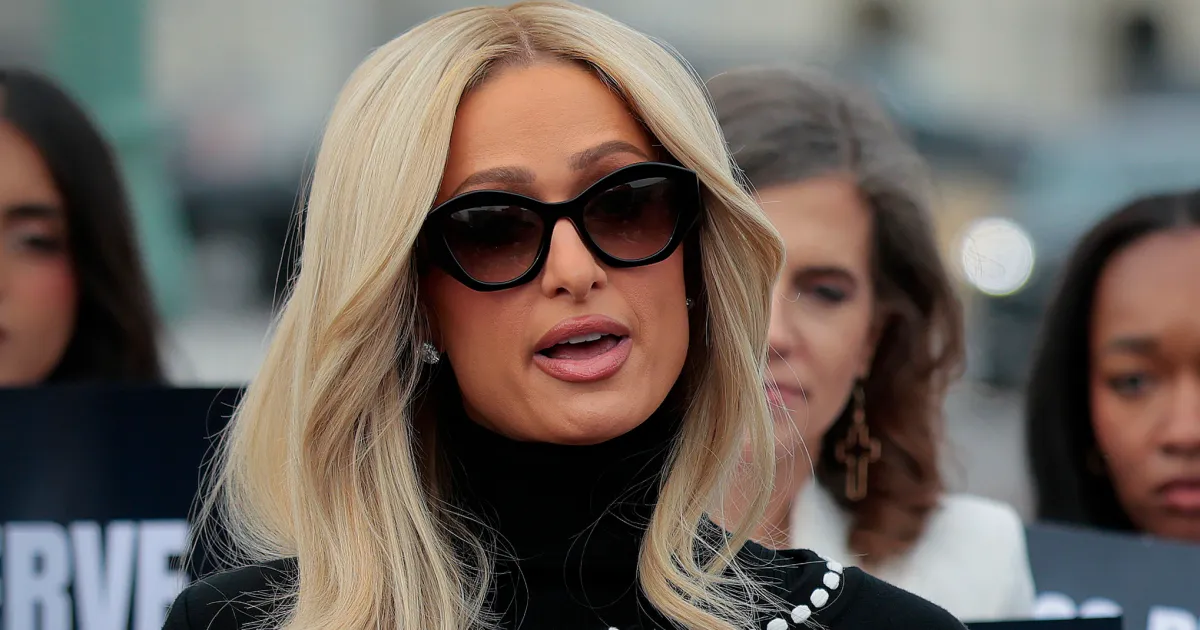
Paris Hilton recently broke her decades-long silence about the infamous sex tape that was leaked in 2004, transforming a deeply personal violation into a powerful platform for advocacy. Speaking to reporters in Washington D.C. on January 22, the now 44-year-old heiress and entrepreneur recounted the devastating impact this experience had on her life when she was just a teenager. “When I was 19 years old, a private, intimate video of me was shared with the world without my consent,” Hilton said, her voice steady but emotional. “People called it a scandal. It wasn’t. It was abuse.” This powerful redefinition of her experience comes as Hilton advocates for the Disrupt Explicit Forged Images and Non-Consensual Edits Act (DEFIANCE Act), legislation aimed at protecting others from similar violations in the digital age.
The cultural landscape of the early 2000s offered little protection or sympathy for victims of such exploitation. Hilton detailed the cruel aftermath she endured, when she became not a victim deserving of compassion but a punchline for late-night comedians and tabloid headlines. “They called me names. They laughed and made me the punchline. They sold my pain for clicks, and then they told me to be quiet, to move on, to even be grateful for the attention,” she recalled with palpable anguish. This societal response compounded her trauma, as the public failed to recognize the profound violation she had experienced. In her own words, “No one asked me what I lost — I lost control over my body, over my reputation. My sense of safety and self-worth was stolen from me.” The intersection of emerging internet culture with celebrity obsession created a perfect storm that left Hilton exposed and vulnerable, with few avenues for recourse or healing.
In her 2023 memoir, Hilton revealed the complex circumstances surrounding the creation of the tape with her then-boyfriend Rick Salomon, who was 13 years her senior. She described feeling pressured and uncomfortable about making the video but feared rejection if she refused. “I wasn’t capable of the level of trust required to make a videotape like that. I had to drink myself silly. Quaaludes helped,” she wrote with brutal honesty. “But I did it. I have to own that.” This candid acknowledgment illuminates the often-overlooked dynamics of power, age, and vulnerability that frequently underlie such situations. Hilton’s experience reflects the reality that consent exists on a spectrum complicated by factors including substance use, emotional manipulation, and power imbalances—nuances that were entirely absent from the public discourse surrounding her at the time.
Hilton’s advocacy today springs from her recognition that technological advancements have created new and even more insidious threats to personal privacy and bodily autonomy. “What happened to me then is happening now to millions of women and girls in a new and more terrifying way,” she warned during her recent address. “Before, someone had to betray your trust and steal something real. Now all it takes is a computer and a stranger’s imagination. Deepfake pornography has become an epidemic.” This evolution from victim to advocate represents a profound transformation for Hilton, who has channeled her traumatic experience into a mission to protect others from similar violations. By supporting the DEFIANCE Act, she hopes to create legal frameworks that didn’t exist when she needed them most—protections that acknowledge the very real harm caused by non-consensual sharing of intimate images, whether real or artificially generated.
The public response to Hilton’s advocacy highlights how significantly cultural attitudes have shifted since 2004. Where once she was mocked, she is now being heard with respect and empathy. This change reflects broader societal evolutions in understanding consent, recognizing victim trauma, and acknowledging the real-world consequences of online behavior. Social media platforms have amplified messages of support for Hilton, with many expressing regret for how she was treated and appreciation for her willingness to revisit such a painful chapter in service of others. Celebrities and public figures who once might have distanced themselves from such controversy now openly applaud her courage. This shift represents not just personal redemption for Hilton but a meaningful cultural reckoning with how we treat victims of sexual exploitation and privacy violations.
As Paris Hilton stands at this intersection of personal healing and public advocacy, her story exemplifies resilience in the face of profound violation and subsequent ridicule. From the naive 19-year-old caught in a web of exploitation to the poised advocate speaking before lawmakers, her journey illustrates both personal growth and societal evolution. “I believed that the worst was behind me, but it wasn’t,” she acknowledged, recognizing that her past trauma has found new purpose in addressing contemporary threats. By lending her voice and platform to this cause, Hilton transforms her painful experience into potential protection for countless others. The legislation she supports aims to create guardrails for a digital landscape that continues to evolve faster than our social norms and legal frameworks can adapt. Through her advocacy, Paris Hilton reclaims the narrative that was stolen from her two decades ago, demonstrating that sometimes our deepest wounds become our most powerful sources of purpose and connection.