




Mark Ruffalo Defends Himself Against Antisemitism Accusations in Paramount Skydance Dispute
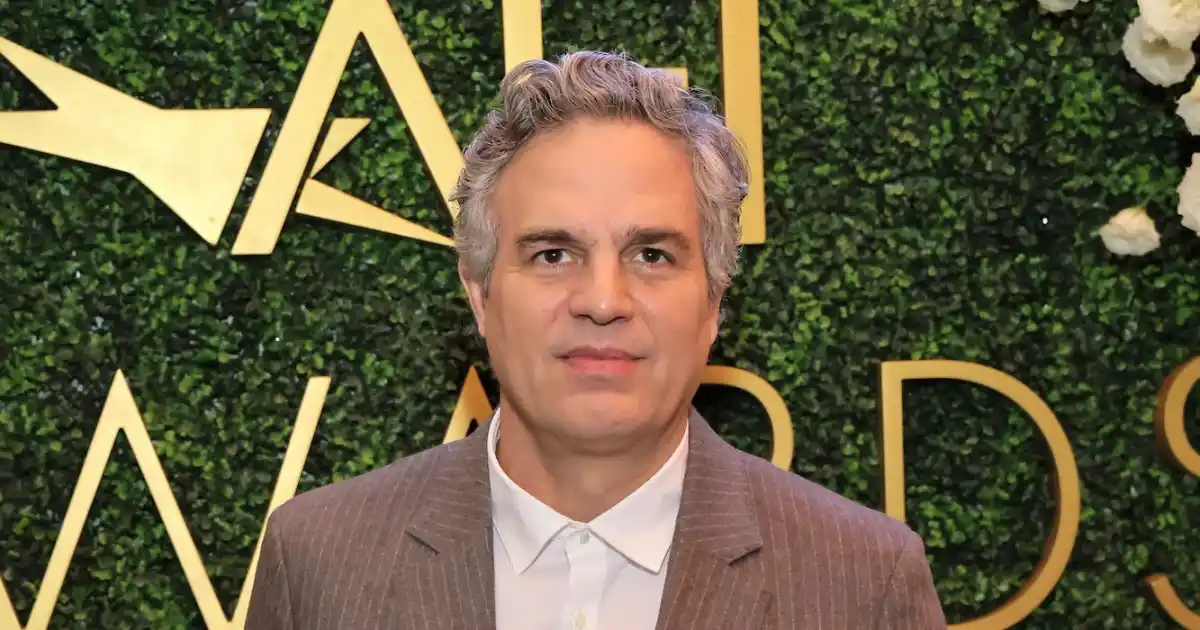
Mark Ruffalo has found himself at the center of a heated controversy, forcefully rejecting accusations that he holds antisemitic views. The acclaimed actor’s statement comes in response to his vocal opposition to Paramount Skydance’s proposed acquisition of Warner Bros, a business deal that has sparked intense debate throughout Hollywood and beyond. Ruffalo took to social media to address the allegations directly, making clear that his concerns about the merger stem from political convictions rather than any prejudice against Jewish people. The actor emphasized that criticizing the actions of the Israeli prime minister, a military technology contract, or the executives who provide such services is fundamentally different from criticizing Jewish people as a whole. He expressed deep frustration that legitimate political dialogue has been dishonestly framed as anti-Israel sentiment, arguing that such framing undermines the necessary conversations about complex geopolitical and corporate issues that deserve public scrutiny.
In his emotional response, Ruffalo went further to explain the personal impact of these accusations, describing them as both appalling and fundamentally dishonest. The actor, known for his passionate advocacy work alongside his successful acting career, took time to acknowledge his deep connections to the Jewish community throughout his life. He shared that everything he knows about acting, activism, and humanism has been profoundly shaped by Jewish friends, colleagues, and loved ones who have been integral to his journey at every stage. Ruffalo made clear that his views come from his own political convictions and should never be interpreted as hostility toward Jewish people, for whom he expressed deep love and respect. This personal testimony underscores the complexity of the situation, as the actor navigates the fine line between legitimate political criticism and the serious charge of antisemitism that has been leveled against him. His response reflects a broader tension in public discourse about how to address controversial issues involving Israel without being unfairly characterized as prejudiced.
The controversy centers on Ruffalo’s opposition to the massive $111 billion merger between Paramount Skydance and Warner Bros, a deal that was announced in February and has raised significant concerns among industry insiders and political observers alike. The proposed acquisition involves David Ellison, the chairman of Paramount Skydance, who is the son of Larry Ellison, the cofounder of Oracle and a prominent ally of former President Donald Trump. The father and son became co-owners of the company following a merger in 2025, placing them at the center of one of the most significant media consolidation efforts in recent history. Ruffalo’s objections intensified after he condemned a video clip featuring Safra Catz, Oracle’s executive vice chair and a Paramount board member, discussing what she described as “profoundly scary technologies” that Oracle shared with the Israeli government following the October 7 terror attacks in 2023. This specific criticism of technology sharing with the Israeli government became the flashpoint for the larger controversy, leading to the accusations against Ruffalo and the subsequent exchange between the actor and the company.
The response from Paramount Skydance was swift and pointed, with a spokesperson invoking accusations of antisemitism in their official statement. The company expressed concern about what they characterized as antisemitic tropes being used in what they described as a business dispute, taking particular issue with the use of charged words like “genocide” and “apartheid” in connection with the corporate transaction. The spokesperson argued that such language is not just wrong but goes too far, suggesting that it cheapens the very real suffering those words are meant to describe. The company’s statement also emphasized their stance against prejudice of any kind while asking for what they termed “good faith” in evaluating the merger based on its legal merits rather than underlying bias. They called for less rhetoric and more understanding, framing the acquisition as part of Paramount’s future being written for everyone who wants to make and watch great stories. However, Ruffalo remained steadfast in his position, countering that the merger has real consequences for real people across the entire country, and that scrutinizing the Ellison family’s business interests is both fair and necessary.
Ruffalo’s concerns about the merger extend far beyond the immediate controversy, touching on fundamental questions about media consolidation, editorial freedom, and the concentration of power in the hands of a few wealthy individuals. He pointed specifically to the potential consequences of handing one family control over major media properties including CNN, HBO, and Warner Bros, all backed in part by foreign money whose influence on editorial decisions has never been fully explained to the public. The actor emphasized the threat to editorial freedom and the potential loss of livelihood for thousands of families who depend on the entertainment industry for their economic survival. He called for greater transparency from government regulators before the acquisition is allowed to move forward, noting that lawmakers from both sides of the political aisle have called for serious national security review, yet regulators have not given the public a real answer about the potential implications of the deal. Ruffalo’s position reflects broader concerns within the entertainment industry about media consolidation and the concentration of power, concerns that have been echoed by numerous other creative professionals who signed an open letter opposing the merger in April. That letter, signed by dozens of Hollywood actors and filmmakers, expressed unequivocal opposition to the deal, warning that the integrity, independence, and diversity of the industry would be grievously compromised if the merger proceeds.
This current dispute represents just the latest chapter in Ruffalo’s long history of political activism and his willingness to speak out on controversial issues. Beyond his concerns about media consolidation, the actor has been passionately outspoken about his opposition to the Trump administration and the broader political landscape in America. In an interview earlier this year, Ruffalo revealed that he would never say never to potentially running for political office in the future, expressing his love for people and his belief that politicians could be doing something good for the people. He was characteristically blunt in his assessment of the current political climate, describing it as fundamentally broken while noting that Americans are suffering as a result. The actor criticized both political parties for becoming completely captured by corporations, calling for a new America that prioritizes working people who represent the plurality of the country. This passionate advocacy and willingness to challenge powerful interests has defined much of Ruffalo’s public persona, making his current confrontation with Paramount Skydance consistent with his established pattern of speaking truth to power regardless of the personal consequences. As the merger review process continues, with the deal not expected to close until June 2027, the debate sparked by Ruffalo’s opposition raises important questions about the intersection of corporate power, political influence, and the future of American media, questions that will likely continue to resonate throughout the industry and beyond as the regulatory review proceeds.