


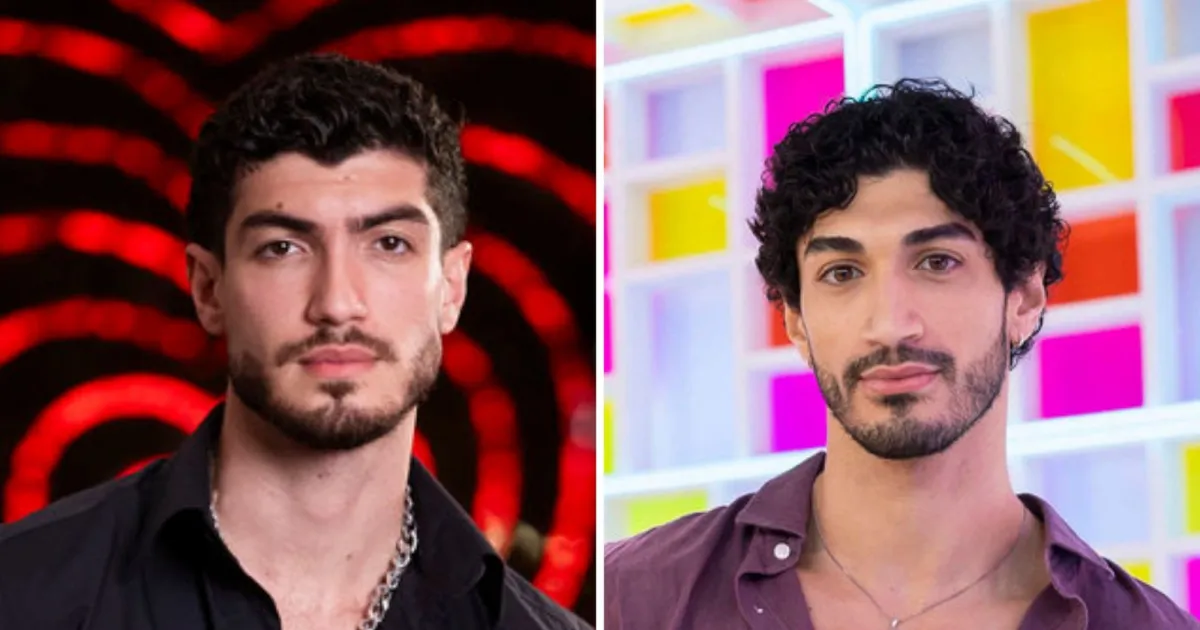
Reality television has always had a knack for blurring the lines between harmless evening entertainment and intense, real-world drama, but the latest season of Love Island USA has taken internet intensity to a whole new level. At the center of the recent digital storm is Islander Zach Georgiou, whose behavior on the show sparked a wave of viewer backlash so severe that his family felt compelled to step in. When his brother, Charlie Georgiou, jumped to his defense on social media, he was met with an immediate, aggressive wave of criticism from passionate viewers. Rather than backing down, Charlie chose to confront the trolls head-on, taking to the Threads platform to call out the extreme hostility and make it clear that he has zero interest in maintaining the support of online bullies.
In a series of candid and emotionally charged posts, Charlie expressed his utter bewilderment at the sheer scale of vitriol directed toward his brother, pointing out how wildly disproportionate the public’s reaction has been to minor onscreen events. He noted that the level of online wrath Zach received felt as though he had committed a serious crime, rather than simply navigating the messy, highly edited world of a dating show. More alarmingly, Charlie revealed that the backlash had crossed dangerous lines, stating that he had personally received death threats, homophobic slurs, and xenophobic comments targeting their family’s Greek heritage, with trolls telling them to go back to the Byzantine Empire. Disturbed by the hypocrisy of the audience, Charlie also highlighted how viewers who preach kindness often turn around and mock ethnic names, drawing a parallel to how co-star Parmida’s Persian name had been ridiculed offline.
A major catalyst for the intense online outrage stemmed from a highly debated villa incident where viewers accused Zach of withholding food from his partner, Kayda. Addressing this specific rumor, Charlie dismissed the accusations as absurdly dramatic and far-fetched, clarifying that Zach actually did make Kayda breakfast that morning, but the moment was simply left on the cutting room floor. This incident highlights the inherent friction of the Love Island format, where contestants live under 24/7 surveillance in complete isolation for weeks, while the production team condenses their lives into highly edited, daily hour-long episodes. Because the audience holds the power to vote off couples and decide who ultimately wins the $100,000 grand prize, viewers often feel a false sense of intimacy and ownership over the cast members, leading them to judge raw, manipulated footage as absolute truth.
The level of toxicity surrounding this season has become so palpable that both decision-makers and show affiliates had to step in with public warnings. Before the episodes even aired, Peacock issued an official statement reminding fans that the show is built on good vibes and urged the community to keep their debates respectful, safe, and positive. The reality of reality TV is that while the islanders are shielded from the outside world without their phones, their families are left on the frontlines to absorb the digital blows. This dynamic turns what should be a lighthearted summer show into a stressful ordeal for the loved ones watching from home, who must watch their family members get picked apart by millions of strangers.
Adding her voice to the plea for peace, Love Island USA host Ariana Madix used her platform on the companion show Aftersun to directly call out the unacceptable behavior of the fandom. In an earnest address, Madix urged viewers to stop the highly invasive practices of doxxing contestants and harassing their family members online. She reminded the audience that the cast members do not have access to their phones during filming, giving keyboard warriors a window of opportunity to delete their nasty comments before the Islanders return to the real world. Madix emphasized that viewers should be thanking the contestants for bravely putting their lives and vulnerabilities on display for public entertainment, rather than punishing them for it.
Ultimately, the friction surrounding the Georgiou family serves as a sobering reminder of the human cost behind our favorite reality television spectacles. While platforms like Peacock and Bracketology.tv continue to engage fans with fantasy leagues and interactive voting, the line between passionate fandom and digital harassment remains dangerously thin. As Love Island USA continues to roll out drama six nights a week, the hope is that viewers can learn to enjoy the villa’s chaotic couplings without losing their humanity in the comments section. After all, at the end of the day, it is just a game show about finding love, and the real-world consequences for the families involved are far too high.