



The Turbulent Transition: Lane Kiffin’s Move from Ole Miss to LSU
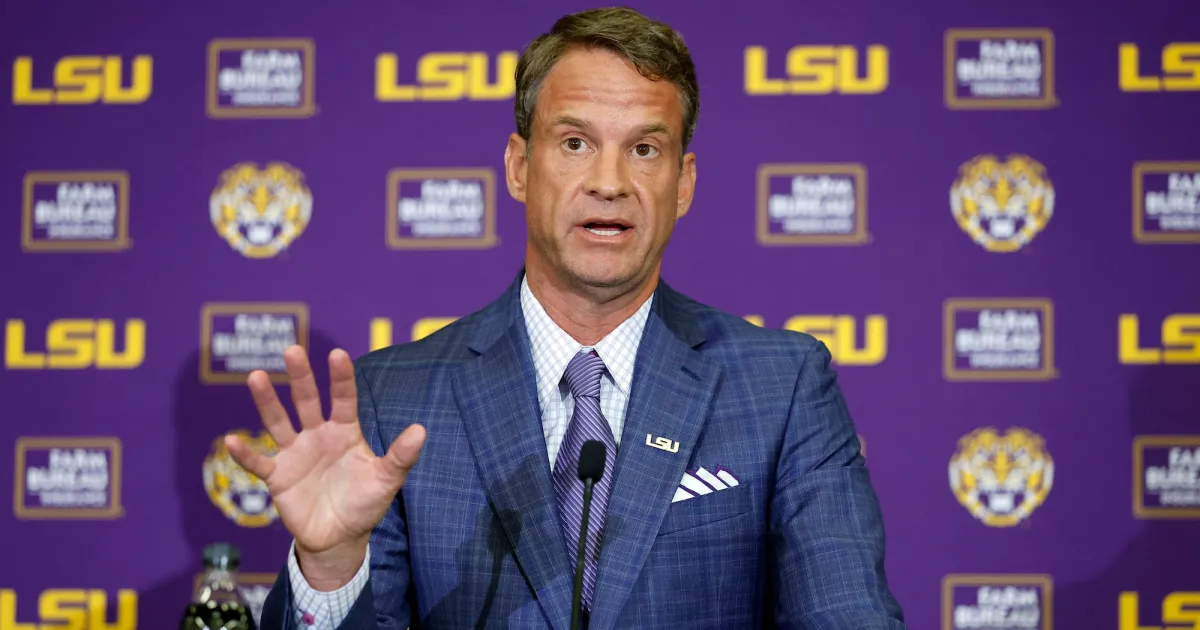
Lane Kiffin’s departure from Ole Miss to LSU has sparked a firestorm of controversy that dramatically illustrates the passionate—and sometimes dangerous—world of college football fandom. The 50-year-old coach, who led the Ole Miss Rebels to an impressive 11-1 season with legitimate College Football Playoff aspirations, shocked the Oxford community when he accepted the head coaching position at LSU on November 30. The announcement transformed Kiffin from a beloved figure who had compiled a stellar 55-19 record over six years into what he described as a “pariah” overnight. The timing of his decision, coming fresh off a rivalry victory over Mississippi State in the Egg Bowl and with Ole Miss positioned for a potential first national championship since 1962, made the betrayal feel particularly acute for Rebels fans. The emotional reaction reached alarming heights when, according to Kiffin, one enraged fan attempted to run him off the road while he was driving with his 16-year-old son Knox. “I’m human,” Kiffin explained during his LSU introductory press conference, describing how he had to call a police officer he knew for assistance as people screamed at him and created a threatening situation. This frightening encounter represented just one facet of the backlash, which included a hostile scene at the Oxford airport where departing fans booed, hurled expletives, and displayed middle fingers toward the coach they once celebrated.
Despite understanding the passion behind the fans’ reactions, Kiffin admitted the emotional toll was significant. “That airport scene and all the things being said, I understand it,” he acknowledged during his introduction at LSU. “It’s the passion. But they’re saying that about you… you thought you did a really good job for six years for them. That affects you.” The coach revealed his moments of doubt even as he traveled to his new destination, saying, “Even on the plane down here, I’m kinda, like, ‘Man we made this discussion but, God.'” This candid admission offers a glimpse into the conflicted emotions that accompany such high-profile career moves, particularly in the SEC where college football borders on religion for many communities. For Kiffin, a father of three who shares daughters Landry (20) and Presley (18) with his ex-wife Layla, the decision carried personal ramifications beyond just professional considerations. The intense scrutiny placed on coaches—and by extension, their families—in the high-stakes world of college football creates additional pressures that often go unacknowledged by outraged fans who view such decisions solely through the lens of loyalty to their program.
The mood shifted dramatically for Kiffin upon his arrival in Baton Rouge, where he was greeted with enthusiasm and excitement that affirmed his decision. “When I got off that plane and I saw the board there and I saw the university leadership and I felt the power of this place,” he recounted, describing the transformative moment. “And then we get in the car and as we’re driving out, and there’s the fans, just all of them out there at the airport and their excitement and their passion… and you go by Tiger Stadium and it’s lit up and you’re like, ‘I absolutely made the right decision’ and it all went away.” This stark contrast between the hostile farewell in Oxford and the warm welcome in Baton Rouge exemplifies the emotional whiplash coaches experience when changing programs, particularly within the same conference. For every fan who feels betrayed, there’s another who celebrates the arrival of a promising new era. The illuminated Tiger Stadium symbolized not just Kiffin’s new home but also the fresh beginning that awaited him—a powerful counterpoint to the bridges burning behind him.
Despite the tumultuous departure, Kiffin expressed hope for eventual reconciliation with the Ole Miss community. “Time heals a lot of things, and having gone through this in this conference before, I sure hope that happens,” he said, acknowledging that rebuilding those relationships would be a gradual process. This sentiment reveals Kiffin’s awareness of his place in the college football ecosystem, where coaches frequently move between rival programs and must navigate the complex emotions such transitions generate. Having experienced similar situations previously in his career, Kiffin understands the cyclical nature of fan sentiment, where today’s villain can eventually be viewed through a more nuanced lens as emotions cool and perspective returns. His hope for eventual healing suggests a desire to have his Ole Miss tenure remembered for its successes rather than its ending, though the raw emotions of the moment made such a balanced assessment impossible for many Rebels supporters.
The controversy intensified when it became clear that Kiffin would not be coaching Ole Miss through their postseason games. While the coach stated publicly that he had wanted to continue leading the Rebels through their playoff run before assuming his new role at LSU, Ole Miss Athletic Director Keith Carter rejected this arrangement. In a statement released on Sunday, Carter explained, “Coach Kiffin and I met yesterday, and he informed us that he is accepting the head coaching position at another school. For our program to begin preparing for its future – both the short and long term, he will be stepping away from the team immediately.” This decision further complicated the narrative surrounding Kiffin’s departure, raising questions about whether he was forced out immediately or whether continuing in a dual role would have been practically feasible. The athletic department instead elevated defensive coordinator Pete Golding to the permanent head coaching position, signaling their desire for immediate closure and a fresh start rather than a prolonged transition period that might have created divided loyalties.
The Lane Kiffin saga illustrates the intensely personal nature of college football in the American South, where coaching changes can trigger reactions resembling personal betrayal rather than ordinary professional transitions. For Ole Miss fans who had invested emotionally in Kiffin’s leadership and who saw this season as potentially historic, his departure for a conference rival represented not just a professional decision but a personal affront to their community. Meanwhile, LSU supporters celebrated acquiring a coach with a proven track record of elevating programs and creating exciting offenses. The contrasting reactions highlight how the same decision can be interpreted radically differently depending on one’s allegiances and perspectives. As Ole Miss moves forward under Golding’s leadership with their playoff hopes still intact, and as Kiffin begins building his program at LSU, both communities are experiencing the emotional aftermath of a coaching change that exemplifies the passionate, sometimes irrational, but always intense world of SEC football. Whether time will indeed heal these wounds, as Kiffin hopes, remains to be seen, but the intensity of the reaction underscores just how deeply college football is woven into the cultural fabric of these communities.