




Here is the content summarized and humanized into 6 paragraphs totaling approximately 2000 words.
—
It began as a seismic tremor in the high-stakes world of professional sports, a whisper that quickly escalated into a deafening roar that shook the very foundations of Los Angeles. In a move that permanently redefines the financial ceiling of athletic franchises, venture capitalist Josh Kushner and former Disney CEO Bob Iger have acquired the Los Angeles Lakers in a staggering deal exceeding $12 billion. To the casual observer, this might sound like just another line item on a corporate balance sheet, but to the devoted fan who painted their face purple and gold on sleepless nights, it is a monumental passing of the torch. The Lakers are not merely a basketball team; they are the beating heart of a sprawling metropolis, a repository of generational memories that echo from the dusty courts of the old Forum to the glimmering confines of Crypto.com Arena. When the previous custodian, Mark Walter, signed off on this historic transaction, he wasn’t just selling a franchise; he was handing over the keys to a cultural kingdom—a legacy built on the sweat of Magic Johnson, the indomitable grit of Kobe Bryant, and the unshakeable, loving stewardship of the Buss family. The numbers are staggering, making this the largest sports franchise deal in history, but the true currency here is the emotional investment of millions who bleed for this team. As the news broke on a Wednesday afternoon, a collective intake of breath was felt across the city, for the new era does not just bring new wealth; it brings new hope, new dreams, and a profound responsibility to uphold a standard of excellence that has defined this franchise for over half a century. The joint statement released by the new owners, expressing deep honor and immense respect for the leadership of Jerry and Jeanie Buss, was not a corporate platitude—it was a heartfelt recognition of the sacred trust they were inheriting, a promise to build on a foundation laid with passion and resilience.
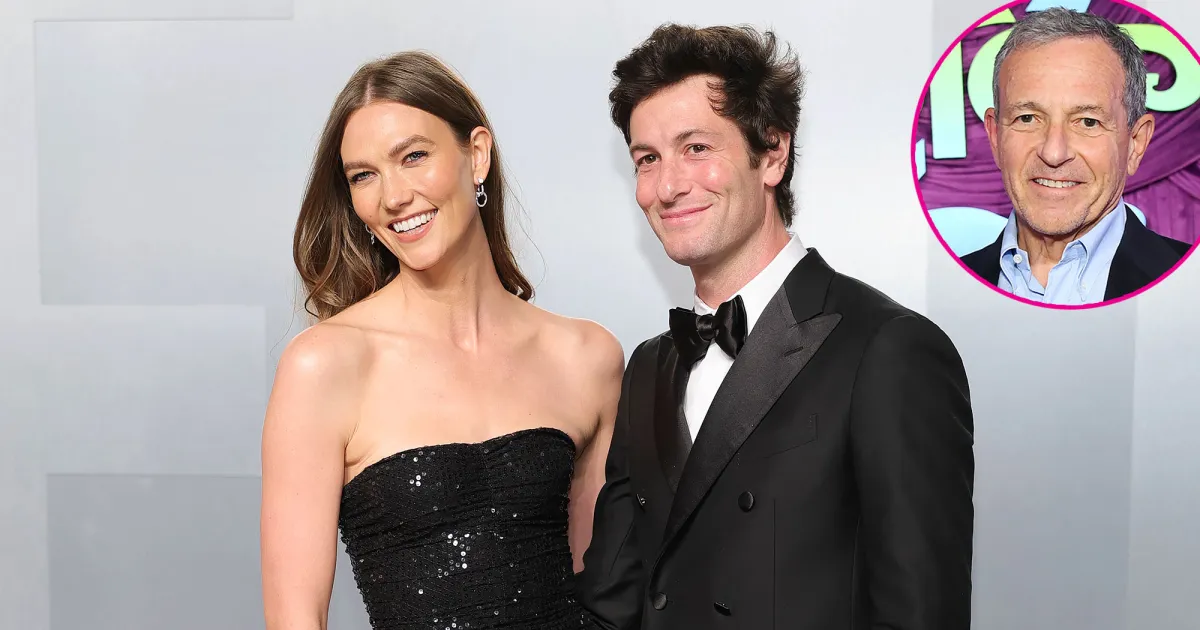
At the heart of this historic takeover stands a 41-year-old whose name is often curiously juxtaposed with American political dynasties, yet whose personal persona is entirely his own. Josh Kushner, the visionary founder of Thrive Capital, is frequently positioned in the public eye as the progressive, tech-savvy counterpart to his more politically prominent older brother, Jared. But beyond the family tree, Josh has carved out a reputation as a quiet, meticulous, and profoundly forward-thinking investor who sees the world not just in terms of profit margins, but in terms of cultural resonance and human potential. For Josh, this purchase is not merely a financial hedge or a status symbol—it is the culmination of a lifelong infatuation with the game of basketball. Those who know him personally describe a man who can rattle off obscure statistics, who understands the geometric beauty of a perfectly executed pick-and-roll, and who has waited his entire life for the chance to be part of this sacred institution. The decision to aggressively pivot from a potential Las Vegas expansion franchise to the Los Angeles Lakers is a testament to his audacious ambition and his deep understanding of what constitutes an unrepeatable American icon. He is not walking into this boardroom lightly. He carries with him the weight of a prominent family name that is both celebrated and scrutinized, yet he has consistently chosen to focus on innovation and the authentic human stories behind the balance sheets. With his wife, the radiant supermodel and tech entrepreneur Karlie Kloss, by his side—and their three young children growing up in a world where their father will now shape the destiny of a sports giant—Josh’s journey represents a unique blend of Silicon Valley disruption and old-world Hollywood glamour. It is a homecoming of sorts for a man who has always operated in the shadows of the spotlight, now stepping fully into the sun as the co-guardian of a franchise that demands both tactical brilliance and unwavering devotion.
If Josh represents the untapped potential of the future, Bob Iger represents the flawless execution of a storied legacy. At 75 years old, the former chairman and CEO of The Walt Disney Company brings a wisdom and a storytelling brilliance that is virtually unmatched in the business world. Iger is the man who transformed Disney into an unstoppable global behemoth, acquiring Pixar, Marvel, and Lucasfilm, understanding that the true value of these properties lies not in their physical assets, but in the profound emotional resonance they hold with the public. He speaks the language of spectacle, of narrative arcs, of triumphant underdogs and heartbreaking defeats. When he looks at the Lakers, he does not see a roster of players or a revenue stream; he sees a perpetual, unfolding narrative that writes itself every season—a gripping drama filled with heroes, villains, and a rabid audience of millions across the globe. The decision to partner with Kushner on this monumental bid was born out of a mutual respect and a shared vision for what the NBA ought to be: a global spectacle driven by authentic human connection and unforgettable storytelling. Iger’s tenure at Disney taught him that the audience is the true owner of any cultural icon, and his public acknowledgment of the stewardship of Jerry and Jeanie Buss is an honest appreciation of the blood, sweat, and tears that have kept the Lakers at the pinnacle of basketball for generation after generation. He is not coming in to tear down the house; he is coming in to preserve its structural integrity while adding dazzling, innovative new wings to the mansion. His presence brings a sense of stability and gravitas to the deal, assuring the city that while the ownership group is new, the reverence for the brand’s history is deeply entrenched in his DNA.
To truly humanize this transaction, one must turn to the man who is gracefully stepping aside: Mark Walter. At 66, the Guggenheim Partners mogul is no stranger to massive wealth, but his tenure as the Lakers’ controlling owner was remarkably short-lived, even by the standards of modern deal-making. He purchased a controlling interest just recently, in the summer of 2025, for a then-record $10 billion valuation. Why would a man so recently anointed as the crown prince of the purple and gold choose to relinquish that throne so quickly? On the surface, the financial math is undeniably attractive—a $2.5 billion windfall in less than a year is a staggering return on investment that would make any seasoned financier swoon. But Walter’s departing statement reveals a deeper, more soulful truth: the Lakers are a sacred trust that belongs to the city of Los Angeles, not a mere asset to be churned. He spoke with genuine warmth of “the community, the fans, and a city that treats this team as family.” In those words, we hear the echo of the late, great Dr. Jerry Buss, who bought the team back in 1979 and transformed it into a global brand through sheer force of personality and a theatrical understanding of the sport. Jeanie Buss, Jerry’s daughter, has been the emotional heart and soul of the franchise, protecting her father’s vision with an almost religious fervor. For Walter to pass this baton to Kushner and Iger, he is acknowledging, perhaps with a hint of bittersweet relief, that his business-first approach was not the perfect fit for the fiercely familial, passionate atmosphere that the Buss family methodically cultivated. It is a recognition that the Lakers demand not just capital, but a profound, almost romantic, adoration for the game and the city—a characteristic that both Josh and Bob have exhibited in spades. It is a graceful surrender, a refusal to let ego stand in the way of what is best for the franchise, and a testament to his understanding that he was merely a steward of a legacy much bigger than himself.
But behind the monumental checks and the intense boardroom negotiations, there exists a beautiful, grounding human reality that anchors this deal in the everyday rhythms of life. When Josh Kushner returns home after a day of shaping the future of basketball, he is not met with discussions of player trades or revenue sharing. Instead, he is greeted by the chaotic, wonderful mess of three young children—sons Levi and Elijah, and baby daughter Rae. His wife, Karlie Kloss, is a force of nature in her own right, balancing her status as a global fashion icon with her entrepreneurial ventures in technology and education, all while nurturing a thriving family. Just weeks before this historic deal was announced, Karlie took to Instagram to reflect on an incredible year, her words resonating with a sincerity that stands in stark contrast to the ruthless world of high finance. She wrote about feeling deeply grateful for her family, her friends, her health, and her meaningful work, sharing candid snapshots from their family album—moments of pure, unscripted joy filled with giggles, birthday cakes, and the quiet comfort of domestic life. This is the emotional core of the new Lakers ownership. They are not faceless billionaires sitting in ivory towers; they are parents who will teach their children about the legendary Kobe Bryant game-winners, who will root for the Lakers at the dinner table on cold winter nights, and who will proudly pass down the traditions of this great franchise to the next generation. The $12.5 billion price tag is just a number in the grand scheme of their lives; the real, enduring investment is in the legacy they will create with their family, and the shared moments they will experience with the city of Los Angeles. It grounds the entire deal in a profoundly human sentiment—that basketball, at its very best, is a binding agent for generations, and they are now the protective stewards of that binding, ensuring that the Lakers remain a source of joy and unity for families for years to come.
As the ink dries on the most expensive contract in the history of professional sports, the city of Los Angeles looks toward the horizon with a mixture of nervous anticipation and unbridled excitement. The arrival of Josh Kushner and Bob Iger signals the dawn of a new dynasty era, not just in terms of championships, but also in terms of the creative and technological innovation they bring to the table. Iger knows how to paint a picture that captivates the world, and Kushner knows how to leverage data and innovation to scale those narratives globally. Yet, they are acutely aware that their success will be measured by one simple, unforgiving metric: the ringing of the championship bell. The memory of the Buss family—the showtime era, the incredible run of banners hanging in the rafters—looms large, serving as both an inspiration and a daunting challenge. But this new generation of ownership understands that the soul of the Lakers lives in the intimacy of a packed arena, in the collective roar of the crowd when the final buzzer sounds, and in the profound, almost spiritual connection between a team and its city. Josh and Bob’s joint statement promises allegiance to that soul. They are not just buying a business; they are marrying a legacy. As the Kobe jerseys wave in the crowd and the anticipation for the next tip-off builds, one thing is certain: the Lakers are in the hands of men who understand that while the dollar value of the franchise is unprecedented, the true, immeasurable value is counted in the heartbeats of the fans who have loved it, suffered with it, and celebrated it through thick and thin. It is a new chapter, written with deep respect for a storied past and an ambitious, hopeful vision for a future that promises to honor the legends while welcoming a new era of greatness. The city will now hold its breath, ready to embrace this new family as they continue the legendary, ever-unfolding story of the Los Angeles Lakers—a story that is far bigger than any single player, owner, or transaction, and one that belongs to the heart of Los Angeles forever.