

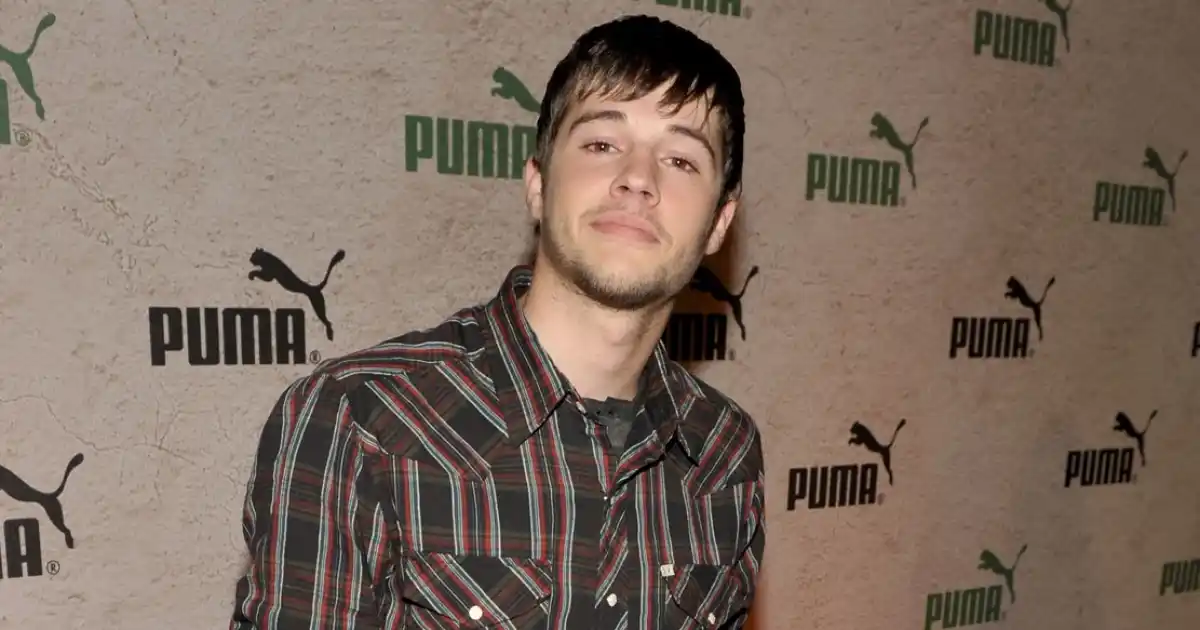
A Fallen Disney Star’s Troubled Descent
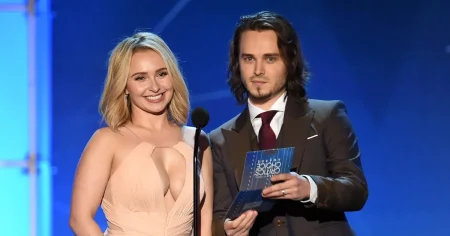
Matthew Prokop, once a bright-eyed teenager lighting up screens as a Disney alum in films like “Geek Charming,” now finds himself at the center of a dark and harrowing legal storm that has shattered lives and raised profound questions about hidden turmoys behind celebrity facades. At 35 years old, Prokop, who hails from Victoria, Texas, was indicted on March 19, 2024, on charges that paint a picture of a man grappling with demons far removed from the innocent roles he played in his youth. The indictment, as reported by Us Weekly and confirmed through court documents, accused him of possessing alleged child pornography—a first-degree felony that carries the weight of society’s deepest revulsions. Imagine the shock for fans who grew up watching him portray wholesome characters; it’s a stark reminder that private struggles can erupt into public nightmares. Prokop pleaded not guilty on March 24, standing firm in court, but the allegations alone have tarnished a career that once seemed promising. This isn’t just a story of legal woes; it’s a human tragedy that underscores how even those who appear successful can crumble under personal crises. The indictment stemmed from an investigation that began in December 2023, when authorities in Victoria County uncovered evidence suggesting Prokop was in possession of visual material depicting children under 18 engaged in explicit acts. It’s heartbreaking to consider the real victims here—the children whose innocence was exploited, their lives forever altered by images meant to be cherished, not commodified. In our minds, we picture young faces twisted into adult situations, a violation that echoes through generations. Prokop’s family, friends, and former co-stars like Sarah Hyland must be reeling, wondering how someone they knew could be linked to such horrors. The legal process is unfolding slowly, with Prokop’s attorney yet to publicly comment, leaving a cloud of uncertainty hanging over his fate. As the case progresses, it forces us to reflect on empathy—for the accused, who might be battling mental health issues unspoken, and for the families devastated by crimes like this. Society often idealizes celebrities, forgetting their humanity, but cases like Prokop’s remind us that fame doesn’t immunize against pain or wrongdoing. Moving forward, the community watches closely, hoping for justice that restores some semblance of balance to the lives disrupted by these revelations.
Diving deeper into the accusations, the court documents specify that Prokop allegedly possessed “50 or more visual depictions” involving minors, with some images described as graphic and showing children in sexual conduct. It’s a charge that hits hard, evoking visceral reactions of disgust and sorrow. Think about what it means for a person to amass such material; psychologists speak of addiction, trauma, or deeper psychological fractures that lead individuals down destructive paths. Prokop’s background in Hollywood, where pressures are immense and support systems can falter, might have contributed to this fall from grace. As a teen star, he likely faced scrutiny and isolation, perhaps burying vulnerabilities that now manifest in these allegations. The prosecution argues that these images were discovered through diligent police work, but the full story of how they came into Prokop’s possession remains murky. In humanizing this, we empathize with the investigators—dedicated professionals processing evidence that no one should have to witness—and the potential long-term effects on Prokop himself. If convicted, he could face years in prison, a prospect that isolates him further from the life he once knew. Yet, it’s crucial to remember the unseen narrative: the victims, whose exploitation fuels discussions on child protection. Experts in criminology highlight how such crimes often stem from cycles of abuse or exposure to dark online worlds, making prevention through education and therapy vital. Prokop’s plea of not guilty suggests he contests the findings, perhaps claiming misunderstanding or entrapment, which adds layers to his story. As the trial looms, it invites us to ponder rehabilitation over retribution—can someone change, or is redemption possible amid such darkness? This case isn’t isolated; it echoes broader issues in entertainment, where stars like Prokop grew up in the spotlight, potentially shielded from real-world consequences. Ultimately, it calls on all of us to support hotlines and awareness campaigns, ensuring that no one’s pain goes unnoticed.
Adding to the Charges: Violating a Lifeline
Compounding the gravity of Prokop’s indictment is a separate count for violating a protective order, a third-degree felony that highlights patterns of behavior extending beyond possession. According to court filings, this offense involved breaching an order granted in May 2023 against a woman named Lucy, whom Prokop allegedly harassed despite legal restrictions meant to safeguard her. Imagine Lucy’s fear: a everyday person thrust into a nightmare by someone she once knew intimately, now defying court mandates designed to provide peace. The violations reportedly occurred “two or more times” in December 2023, escalating from threatening in-person confrontations to relentless digital pursuit. On December 21, Prokop allegedly told Lucy he was going to kill her, a chilling utterance that speaks to unchecked rage and possible mental instability. Just three days later, on Christmas Eve, he supposedly showered her with sexually explicit pictures, images of her hotel, and nonstop texts and calls—even after explicit pleas to stop. This isn’t abstract; it’s a vivid portrayal of domestic terror, where trust erodes into terror. Prokop’s actions paint him as someone struggling with impulse control, perhaps fueled by anger from his May 2023 arrest for assaulting Lucy. That incident, as detailed by Us Weekly, involved shoving and slamming her head, with witnesses recalling him brandishing a hammer, threatening to “smash [her] skull in.” Eyewitnesses, including friends from both sides, saw the chaos unfold, stepping in to prevent further harm. Despite bonding out on aggravated assault charges, Prokop couldn’t respect the protective order, leading to his December arrest and additional counts like resisting and evading detention. Humanizing these moments, we feel Lucy’s vulnerability—a woman rebuilding her life, only to face escalating threats. It raises questions about why orders aren’t always effective, prompting calls for better enforcement. For Prokop, this behavior suggests deeper issues, possibly rooted in past relationships or untreated emotional wounds. His bond violation in 2023 catalyzed the fresh charges, creating a cycle of legal entanglements. As the case progresses, advocates stress the importance of support for survivors, reminding us that behind cold legal terms are real people enduring unimaginable stress. Prokop’s pattern— from physical violence to persistent harassment—mirrors too many domestic abuse stories, urging society to dismantle toxic masculinity and encourage help-seeking.
The Evolution of a Troubled Relationship
Zooming out, Prokop’s recent troubles with Lucy build on a history of similar allegations, painting a picture of ongoing relational turmoil that spans years. Us Weekly’s coverage reveals that prior to Lucy, Prokop faced accusations of abuse from actress Sarah Hyland, his ex-girlfriend of five years and co-star in “Geek Charming.” In September 2014, Hyland secured a domestic violence restraining order, alleging incidents that included choking and threats that left her breathless and terrified for her life. “His grip was so tight that I could not breathe or speak,” she recounted in court documents, describing an argument where he pinned her against a car, his anger boiling over into physical dominance. It’s a heart-wrenching testimony that humanizes the fear women like Hyland endure daily, navigating fame while confronting private partners who turn dangerously volatile. Moreover, Hyland claimed Prokop relentlessly sent threatening texts and voicemails, even after their breakup, including suicide threats and promises to burn down her house. This barrage must have felt suffocating, turning what could have been amicable closure into a prolonged siege of emotional and psychological abuse. As a public figure, Hyland’s courage in speaking out sheds light on the unseen battles behind Hollywood smiles, prompting discussions about why victims hesitate to come forward amidst scrutiny. For Prokop, these patterns suggest unresolved anger issues, perhaps compounded by the pressures of a career in flux—post-Disney roles dwindled, leaving him vulnerable to internal conflicts. His previous indictment on the possession charge and bond violations with Lucy echo these earlier claims, forming a timeline of escalating control. Experts in domestic violence note how such behaviors often cycle through relationships, urging early intervention. Hyland and Lucy’s stories interconnect, showing how one person’s unchecked actions ripple to harm multiple lives. In reflecting, we empathize with survivors advocating through legal channels, and wonder about Prokop’s path to healing—if rehabilitation is possible or if these accusations signal a deeper entitlement borne from fame. Society benefits from these narratives, fostering empathy and action against abuse, ensuring that voices like Hyland’s inspire systemic change.
Seeking Justice and Healing in the Shadows
As Prokop’s case inches toward trial, the human cost becomes increasingly apparent, urging broader conversations about accountability, mental health, and victim support in the face of celebrity scandals. The indictment serves as a stark warning that no one is above the law, yet it also invites compassion for all involved— the accused, whose potential struggles with addiction or trauma remain speculative, and the victims, whose lives are forever marked. Us Weekly’s outreach to Prokop’s attorney underscores the media’s role in transparency, though silence from his camp leaves gaps in understanding his side. For Lucy and others like Sarah Hyland, this saga highlights the bravery required to report abuse, often amid isolation and fear of backlash. Victims’ stories, while painful, empower communities to dismantle stigma, encouraging more to seek help without shame. Reflection on Prokop’s Disney origins evokes nostalgia for simpler times, contrasting sharply with the current darkness, reminding us of the fragility of youthful promise. Legal experts predict a lengthy battle, with forensics and testimonies likely central to proving intent. Meanwhile, advocacy groups emphasize prevention, pushing for better resources in mental health and law enforcement training. Empathizing with Prokop supporters, if any remain, reveals the complexity—loyalty clashes with moral outrage. Ultimately, this case calls for societal empathy, balancing justice with redemption possibilities. As proceedings unfold, we hold space for healing, knowing that stories like this, though heartbreaking, catalyze progress in protecting the vulnerable.
A Call to Action and Empathy’s Light
In concluding this reexamination of Matthew Prokop’s indictment, we recognize a pivotal opportunity to confront broader societal ills while extending humanity to those affected. The charges of child pornography possession and protective order violations demand unwavering justice, condemning actions that exploit innocence and perpetuate violence. Yet, humanizing the narrative means acknowledging the potential for growth—for Prokop, perhaps through therapy or self-reflection, and for society, in fostering environments where abuse is nipped in the bud. Victims like Lucy and Sarah Hyland embody resilience, their testimonies igniting change and reminding us to listen without judgment. National resources stand ready: the National Domestic Violence Hotline at 1-800-799-7233 offers confidential support for those in crisis, while the Child Help Hotline at 1-800-422-4453 or text extends aid for child abuse concerns. These numbers aren’t just statistics; they’re lifelines for countless unseen struggles. As Prokop awaits his day in court, we ponder the human element—the boy from Disney who strayed into shadows, the women who fought back with courage. This story, though grim, inspires vigilance and compassion, urging us to build communities where no one faces darkness alone. In reflecting, we find hope in collective empathy, turning tragedy into a catalyst for lasting good.