


In a quiet corner of southern Colorado, where the rugged peaks of the San Juan Mountains meet the vast, windswept plains, life in Costilla County had always been a blend of tight-knit community spirit and the unspoken burdens of those in law enforcement. Sheriff Danny Sanchez, a figure many locals saw as a steadfast protector, had built a reputation over years of service that felt like the backbone of the area. But beneath that facade, a storm was brewing—one that would shatter trust and leave a town grappling with disbelief and heartache. On a crisp March morning in 2025, as snow still dusted the higher elevations, news broke that changed everything: a grand jury in Colorado’s Twelfth Judicial District had indicted Sanchez, along with his undersheriff and several office employees, on serious charges including abuse of a corpse and assault. It wasn’t just any story; it was a human tragedy unfolding in real time, eroding the very foundation of safety that residents relied on. The indictments, unveiled in a public announcement, painted a picture of misconduct that went beyond badges and authority—they exposed a lens of moral decay that would leave families wondering about the people they thought they knew. For folks in this sparsely populated county, where population hovers around 3,800 souls, gossip travels fast through coffee shops and church halls. Whispers turned to stunned silences, and the weight of betrayal felt palpable, like a chill that settled over the Wild Horse Mesa, evoking memories of long-buried secrets in the land itself. This wasn’t heroic tales of frontier justice; it was a sobering reminder of how power can corrupt, how ordinary people entrusted with protection can become the source of pain. As the community processed the upheaval, emotions ran high—anger mixed with sadness for the innocent caught in the crossfire, and a desperate hope for accountability. Sheriff Sanchez’s resignation, announced just days later, symbolized the fall from grace of a man who had once been a pillar. But the ripples went deeper, touching on broader themes of justice, mental health crises, and the fragility of public trust in small-town America. Neighbors exchanged stories of their own brushes with law enforcement, some scarred by the allegations, others reflecting on how such acts chip away at the idealistic image of peace officers as modern cowboys safeguarding the frontier life. In this tale of indictment and resignation, the human cost shone through: not just legal repercussions, but wounds to the collective soul of Costilla County, where every resident felt the sting of this unfolding drama.
The core of the scandal centered on Sheriff Danny Sanchez and a former deputy named Keith Schultz, each facing one count of abuse of a corpse, a charge that in Colorado law strikes at the dignity of human remains and the sensibilities of grieving families. It’s hard to fathom the violation—imagining someone handling bones with a disregard that could only be described as callous, leaving behind a legacy of outrage that echoes through history. According to the indictments, published online by the Colorado Judicial Branch, these two men had unlawfully and feloniously treated remains in a manner that would shock anyone with a shred of decency, without any legal sanction or court order to do so. It wasn’t accidental; it was knowing misconduct, turning a sacred discovery into something trivialized and mishandled. For Schultz, who had once patrolled the same dusty roads with a sense of duty, this indictment marked a profound fall—a betrayal not just of the law, but of the unspoken code that law enforcers live by. Sanchez, the leader, compounded this with five additional counts of official misconduct tied directly to the remains, each charge etching a deeper stain on his career. It’s the kind of story that makes you pause and reflect on the humanity behind the headlines: a man who rose through the ranks, perhaps driven by ego or blind allegiance, now facing a life-altering reckoning. Reports from the district attorney’s office painted a scene of negligence and willful negligence, where authority was wielded like a weapon rather than a shield. Emotions must have surged—guilt, denial, regret—as these indictments forced Sanchez and Schultz to confront their actions in the cold light of judicial scrutiny. The psychological toll on them couldn’t be ignored either; imagine the isolation, the nights spent replaying decisions, the erosion of self-worth as friends and colleagues distanced themselves. Yet, the human angle extends to the unknown families whose loved ones’ remains were desecrated, their grief compounded by this final indignity. In Costilla County, where history is often told around fireplaces, this incident became a cautionary narrative, a reminder that those sworn to protect can sometimes become the villains. The indictments detailed the specifics with clinical precision, but behind the legalese lay real people—residents who depended on these men for security, now feeling vulnerable and betrayed, their trust reduced to ashes in the wake of this revelation. As the community absorbed the details, conversations turned introspective, pondering how such misconduct could fester unnoticed, and what it revealed about the inner workings of power dynamics in law enforcement circles.
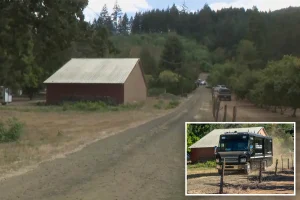
Digging deeper into the timeline, it all began on a fateful day in early October 2024, when a local resident stumbled upon a harrowing discovery on his property in the remote Wild Horse Mesa area—a human skull and teeth adorned with silver-colored dental work, alongside other scattered remains that whispered of untold tragedy. This wasn’t some ancient artifact; it was evidence of a life cut short, perhaps a victim of circumstance or crime, left exposed to the elements amidst Colorado’s unforgiving terrain. The resident, understandably shaken, reached out to the sheriff’s office, expecting the professionals to handle the situation with care and respect. Enter Sheriff Danny Sanchez and Deputy Keith Schultz, who responded swiftly but, as allegations later revealed, inadequately and insensitively. According to the indictments, they retrieved only the skull, leaving the rest of the remains behind—a decision that seemed inexplicably incomplete, almost dismissive, defying the gravity of dealing with human mortality. It’s a scene that tugs at the heartstrings: picture the resident’s testimony months later, in August 2025, recounting how these officers treated the remains like discarded evidence rather than sacred relics. The human element here is profound—the local’s fear turning to frustration, their sense of security crumbling as they watched officers they trusted mishandle what should have been a somber rite of discovery. Emotions must have run raw; imagine the shock when the resident learned of the full scope of neglect, feeling complicit somehow, or utterly powerless in the face of authority. Sanchez and Schultz’s actions, as detailed, weren’t just procedural lapses—they bordered on emotional cruelty, ignoring the potential for familial closure and instead perpetuating a cycle of disrespect. In Costilla County, stories like this resonate deeply; residents often talk of the land’s history of lost souls, from miners who never returned to unhoused travelers met with misfortune. This incident humanizes the tragedy, reminding us that behind every bone, there’s a person with a story—perhaps a parent, a child, a loved one whose absence still pains the living. The indictments brought these details to light, forcing a confrontation with the reality that law enforcement’s role includes a moral imperative to honor the dead. As neighbors shared their versions at community gatherings, a narrative emerged of empathy for the undiscovered grave and anger toward those who failed it, underscoring how such mishandling can scar a community’s psyche, leaving lasting doubts about who can truly be trusted.
Shifting focus to another unsettling chapter in this saga, the indictments didn’t stop with the remains—they extended to a separate, equally heart-wrenching incident involving a person in the throes of a mental health crisis on February 3, 2025. Undersheriff Cruz Soto, alongside Sergeant Caleb Sanchez (the sheriff’s son) and Deputy Roland Riley, found themselves charged with offenses ranging from failing to intervene to second- and third-degree assault, stemming from what prosecutors described as an unlawful use of force. This wasn’t a routine call; it was a confrontation that highlighted vulnerabilities in crisis response, where someone desperately needing aid instead encountered force that escalated tensions. For Soto, the charges included two counts of not stepping in during the chaos and one of assault, painting him as a bystander in a moment of turmoil rather than a leader guiding de-escalation. Caleb and Riley, both frontline deputies, faced assault charges that accused them of misuse of power, turning a potentially supportive encounter into one of harm. It’s easy to humanize this through imagined perspectives—the victim’s fear and confusion, amplified by a mental health episode that left them defenseless; the officers’ stress in high-pressure situations, perhaps clouded by adrenaline and undertraining on mental crisis protocols. In a county like Costilla, where resources are scarce and isolation can exacerbate issues, such incidents hit home, evoking empathy for the officers who might have felt overwhelmed and sympathy for the affected individual whose trust in help was betrayed. Conversations in town likely buzzed with stories of similar encounters, where mental health calls expose the thin line between protection and aggression. The indictments, sourced from the district attorney’s office, revealed a pattern of alleged misconduct that forced introspection: was this a one-off failure, or a systemic breakdown in handling sensitive situations? Residents, sharing personal anecdotes, underscored the human toll—the emotional scars on the victim, the guilt and defensiveness among the accused, and the collective worry about future safety. This narrative arc ties into broader themes of accountability in law enforcement, where training, empathy, and oversight could prevent such tragedies, leaving the community yearning for reforms that prioritize humanity over force.
In the wake of these shocking indictments, reactions rippled through Costilla County like wildfire, culminating in tangible consequences that underscored the human drama unfolding. Sheriff Danny Sanchez, facing the weight of the charges, tendered his resignation, a move reported by KUSA-TV that signified a seismic shift in leadership and personal upheaval. It wasn’t just a job he lost; it was an identity, a legacy tainted by allegations that demanded sacrifice for the greater good. Costilla County officials confirmed the resignation via email, noting that it came amid the storm, leaving a void in the very core of local governance. Meanwhile, Undersheriff Cruz Soto, Sergeant Caleb Sanchez, and Deputy Roland Riley were placed on administrative leave, a prudent step as the county embarked on its own internal investigation, separating the accused from duties to maintain order and probe deeper. Compounding the churn, one of the three remaining officers not implicated resigned, perhaps out of solidarity, disillusionment, or a desire to avoid the toxic fallout. This chain of changes highlighted the interpersonal dynamics at play—friends and colleagues grappling with loyalty versus morality, families fractured by involvement in the scandal, and a work environment turned upside down by betrayal. Emails to Us Weekly revealed the county’s response, hinting at a desire for transparency yet enveloped in somber tones. The Costsilla County Board of Commissioners swiftly convened to appoint a new sheriff, selecting Deputy Joe Smith in an effort to restore stability. District Attorney Anne Kelly’s public words resonated deeply at a news conference, vowing to uphold community trust and not ignore breaches, her statement echoing the raw emotions of residents who felt violated. In human terms, these developments weren’t sterile administrative shifts; they were personal reckonings—Sanchez confronting his fall from grace, integrated with ripples of stress for families like his own, where a son’s involvement added intimate hurt. Community members expressed a mix of relief and sorrow, their bonds tested as they navigated gossip and uncertainty, yearning for healing in the aftermath of such profound misconduct.
Finally, as the dust begins to settle on this tumultuous episode in Costilla County, the broader implications shine a light on enduring themes of justice, trust, and humanity in law enforcement. The indictments, stemming from an exhaustive investigation sparked by resident reports, serve as a stark reminder that no one is above accountability, even in the smallest of towns where community ties run deep. For families impacted—whether those of the accused, isolated by stigma and legal battles, or the unseen victims whose remains were desecrated—the scars run deep emotionally, fostering a collective desire for redemption and reform. District Attorney Anne Kelly’s unyielding stance on protecting public faith echoes the sentiment of many who view these charges as necessary medicine for a system in need of healing. In conversations across Colorado, the scandal prompts reflection on mental health training, corpse handling protocols, and the ethical pacts that bind officers to the people they serve. Humanizing this means acknowledging the grief, anger, and hope intertwined: a community rallying for change, officers learning painful lessons, and a narrative that reinforces that true protection arises from empathy and integrity. As investigations continue and lives rebuild, Costilla County stands as a testament to resilience, where stories like this forge stronger societal bonds, urging vigilance against the shadows of power that can lurk in unexpected places. Ultimately, this chapter closes not with condemnation alone, but with an invitation to rebuild trust—one conversation, one reform at a time.