


Paragraph 1
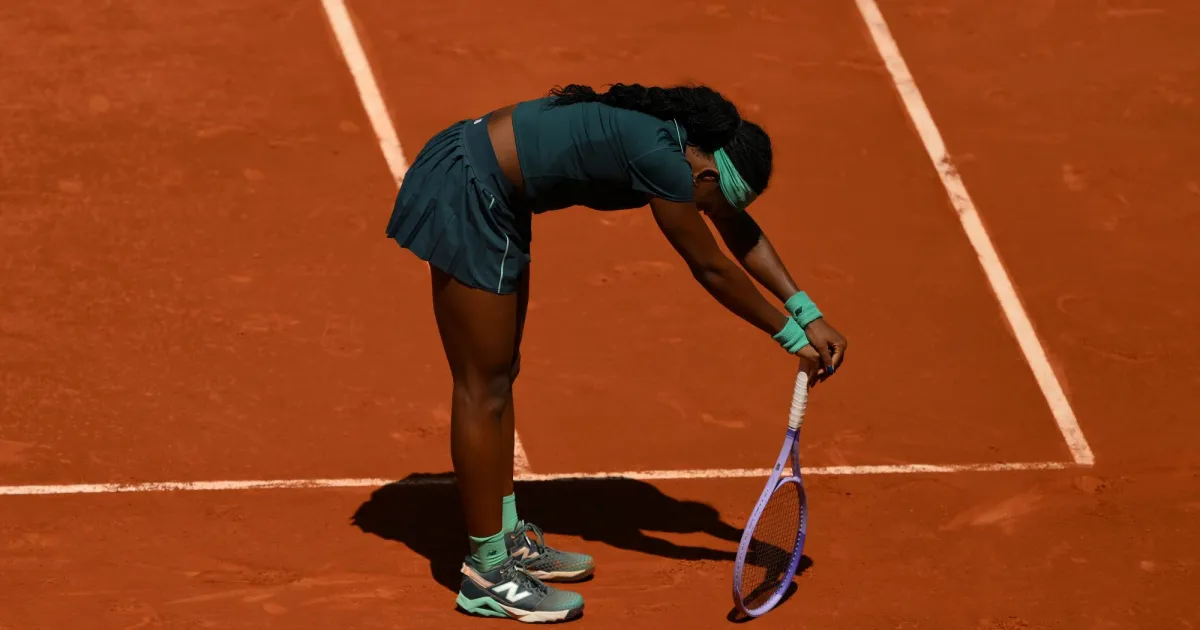
Picture this: you’re on the biggest stage of your sport, the clay courts of the Madrid Open buzzing with energy under the Spanish sun. It’s a high-stakes match on April 26, and Coco Gauff, the rising star of women’s tennis, is battling against Sorana Cirstea. Everything starts off normally—rallies back and forth, the crowd cheering every point. But halfway through the second set, something’s off. Gauff’s stomach churns like a storm brewing. She signals for a medical timeout, dashing to the sidelines where she can’t hold it in anymore. Right there, in front of thousands of fans and cameras, she gets sick, vomiting as the world watches. It’s embarrassing, it’s human—athletes are people too, right? But Coco doesn’t wallow; she wipes her mouth, takes a breath, and jumps back in. It’s not just about winning points now; it’s about sheer willpower. She pushes through, her body rebelling, yet her spirit unbroken. Mentally, she’s replaying every lesson from her training: stay focused, don’t let discomfort derail you. Physically, she’s dealing with waves of nausea, but she fights them off with deep breaths and determination. This isn’t scripted drama; it’s real-life vulnerability. Fans at home can relate—how many times have we powered through a bad stomach bug at work or school? Gauff’s ordeal humanizes the glitz of pro tennis, reminding us that even champions face off-court battles. The short break buys her a moment, but the match continues, Gauff emerging victorious with a 4-6, 7-5, 6-1 scoreline. It’s a testament to resilience, turning a potentially mortifying incident into a triumphant story. I mean, not even throwing up can stop her—talk about unbreakable focus. As she navigates the rest of the set, her game tightens up, dropshots disguising her inner turmoil. The umpire’s pauses for towels and water become lifelines. You can almost hear Gauff’s inner monologue: “Just hold it together, girl.” By the end, the crowd’s roar drowns out her earlier woes, elevating her from a sick player to a symbol of perseverance.
Paragraph 2
After the final point, Coco Gauff collapses into her chair, exhaling relief mixed with exhaustion. In her post-match interview with Sky Sports, she opens up about the chaos inside—a raw, honest glimpse into the human side of an athlete. “I don’t know how I got it done,” she admits, her voice still catching from the ordeal. She’s dealing with relentless struggles to keep food down, her body protesting every move. But the turning point comes early: after the first set, when she finally vomits, a strange catharsis hits. Suddenly, she feels lighter, like a weight’s been lifted. “Once I threw up—and I was able to throw up after the first set—I felt a bit better,” she explains, laughing nervously. It’s that peculiar logic of the human body: sometimes purging is the path to progress. The match itself was a grinder, every rally a test of endurance. Gauff puts it bluntly: “It was just a tough match. I think I got the Madrid stomach virus that’s going around.” Normally, she’s the healthy one, rarely sidelined by ill health. “I’m usually someone who doesn’t get sick. My luck today just wasn’t good.” These words resonate—everyone’s had that day where fortune flips, leaving you scrambling. She relives the embarrassment vividly, not just the physical act, but the vulnerability of it all. “When I actually threw up on the court, that was a little bit embarrassing,” she shares later to reporters, per the WTA. The first game back the strain drained her energy, but pulling out wasn’t an option. “I’m someone who doesn’t like to pull out [of matches]. I don’t like to do that unless I really feel like I have no other options.” That ethos, forged in years of junior tournaments and Grand Slam pressures, drives her. Her plan was simple yet heroic: finish no matter what, even if it meant playing through the fog. It’s inspiring stuff, showing how mental fortitude trumps bodily betrayal. Fans recall their own stomach woes—be it from travel, stress, or mystery bugs—and cheer her on mentally.
Paragraph 3
The Madrid Open saga unfolds with more twists, highlighting how illness can derail even the elite. Just a day before Gauff’s triumph, another tennis titan faced a similar foe. Iga Swiatek, the reigning world No. 1 powerhouse, hit a wall in her match. By the third set, the symptoms overwhelmed her—she called a medical timeout, hoping for a miracle. But unlike Gauff’s comeback, Swiatek had to tap out, retiring to preserve her health. “I’m sure I’ll be fine in a couple of days, but I had zero energy,” she told Tennis.com post-withdrawal, her voice tinged with frustration. “I just felt really bad physically and yesterday, even worse.” She arrived optimistic, thinking today would turn it around, but the bug was unrelenting. “Maybe it was, but not enough to play a match.” The symptoms stayed unspoken in detail—”Not something you want to hear about”—a vague veil over the misery. It’s a stark contrast to Gauff’s gritty continuation, underscoring individuality in adversity. Swiatek, usually a force of nature on court, was reduced to a human battling unseen invaders. Imagine the disappointment: pre-match visualization shattered by nausea and fatigue. For fans, it’s a reminder of tennis’s unpredictability, where a virus can topple a champion faster than an unreturnable serve. Swiatek’s courage in stepping away shows wisdom too—she knows when to listen to her body. Yet, it amplifies Gauff’s feat; while Swiatek bowed out, Gauff forged ahead, proving different strokes for different aches. The tournament village whispers shared stories of similar struggles, bonding players in unexpected ways. Mentally, Swiatek processes the blow, plotting recovery like any athlete would after a tough loss. Emotionally, it’s a blow to her momentum, but she’s learned resilience from past setbacks. Spectators watching from afar feel the empathy—everyone’s grappled with flaring health issues mid-life event.
Paragraph 4
This isn’t isolated drama; the Madrid Open has been plagued by a viral outbreak, it’s catching players like wildfire. Nearly half a dozen have retired mid-match, succumbing to the same abdominal scourge. Tournament officials are tight-lipped on specifics, but rumors swirl—could it be foodborne, related to hotel dining, or just the stress of high-pressure travel compressing immune systems? The shared spaces amplify risks: dining halls where post-match meals mingle with pre-game nerves, gyms packed with sweaty warriors exchanging more than towels. It’s a stark reminder that athletes, despite personal trainers and nutritionists, are susceptible to communal setbacks. Players like Gauff and Swiatek aren’t the only ones affected; others have quietly withdrawn, their careers momentarily hijacked by bodily rebellion. In the players’ lounge, conversations buzz: “Have you felt it? That dizzying wave?” It’s humanizing the elite, showing that even pros deal with the mundane—vomiting, fatigue, the indignity of illness in the spotlight. Fans back home connect, sharing tales of family outbreaks or solo sickness battles. The tournament adapts—sterilized water stations, cautions on street eats—but the bug persists, a silent antagonist. For Gauff, pushing through wasn’t just guts; it was defiance against this trend. Her comments echo broader sentiments: pullouts are last resorts, clashes with the warrior ethos built into tennis culture. Reflecting deeper, this outbreak paints a picture of vulnerability, where physical prowess meets unpredictable fate. It’s not just about scores; it’s about humanity exposed under bright lights. Veterans recall older tours gripped by stomach woes, like a rite of passage. Newly minted pros learn quickly: prep your gut, or pay the price. The sympathy for affected players grows, turning potential PR nightmares into narratives of perseverance. Ultimately, tennis thrives on such stories—overcoming odds, not avoiding them.
Paragraph 5
Amidst the commotion, Jannik Sinner, the world No. 1 on the men’s side, offers a pragmatic take from the sidelines. He’s dodged the bug so far, attributing it to smart timing and avoidance. “I come match days a little bit earlier, but practice days are very late,” he notes, structuring his routine to minimize exposure. After sessions, he escapes quickly, skipping lingering chats or extended gym hangs. His strategy: “I practice, and then I get away. But this is how I do every tournament.” It’s a disciplined ballet—early rises for matches, late-night grinds for practices, carving out personal bubbles. He acknowledges the randomness: “I don’t know if it’s something that’s just around here or in general, but this can happen.” Proximity is the culprit, he hints—dining rooms packed with competitors, gyms where sweat and breaths intermingle. It’s relatable advice for anyone: hygiene basics go a long way on the road. Sinner’s words humanize his prowess; beneath the ace serves and tactical genius is a guy prioritizing gut health over glory scams. Fans imagine his pre-match ritual: hydrating religiously, choosing safe eats, maybe even a stomach-settling ginger chew. This outbreak reminds pros like him of the fragile line between invincibility and infection. He’s not immune, but proactive—scanning menus, sanitizing hands, spacing meetings. Mentally, it adds pressure, turning every meal into a calculated risk. Yet, Sinner’s composure shines, a model for resilience in risky environments. Stories from his tours echo: times he’s skirted viruses through vigilance. It enriches his stature not just as a player, but a shrewd navigator of life’s unpredictables. Blending athletic peak with everyday caution, he inspires less-glamourous warriors—like office cyclists dodging office illnesses—to adopt similar habits.
Paragraph 6
Coco Gauff’s epic comeback sets up her next challenge: facing No. 13 Linda Noskova on April 27. Despite her recent ordeal, excitement builds—can she harness this grit against a formidable foe? The Madrid Open, with its viral undercurrent, adds context to every serve. Gauff’s narrative arcs from vomity embarrassment to inspiring victory, a subplot in tennis lore. Her mother Colette would be proud, channeling that same toughness from their family dynamics. Mentally primed, Coco visualizes domination, using the illness as fuel rather than foe. Physically recovering, she rests, hydrates, and primes her system with expert advice. Noskova, a rising Czech star, brings her own edge: aggressive baselines, untapped depth. But Gauff’s experience looms large—now she’s not just talented, but battle-tested. The crowd anticipates drama, fans debating online: Will health issues resurface? It’s a microcosm of life—facing foes post-crisis. Broader tennis circles celebrate Gauff’s refusal to retreat, contrasting Swiatek’s wise withdrawal. Heroes emerge from humbling moments, and Coco embodies that. Reflecting on the week, ailments fade into empowering tales of endurance. Her win reverberates, motivating amateurs tackling their ‘Madrid bugs’—personal setbacks. As the tournament unfolds, Gauff’s resilience promises more thrills. Human stories like hers remind us: strength lies in vulnerability conquered. Every rally ahead is charged with meaning, her spirit unstoppable. By match time, she’ll be a beacon—proof that even through sickness, champions rise. The human touch in this sport shines brightest under adversity, and Gauff’s chapter is just beginning. Future recounts will hail not the vomit, but the victory— a testament to unbreakable will in the face of the unexpected.