


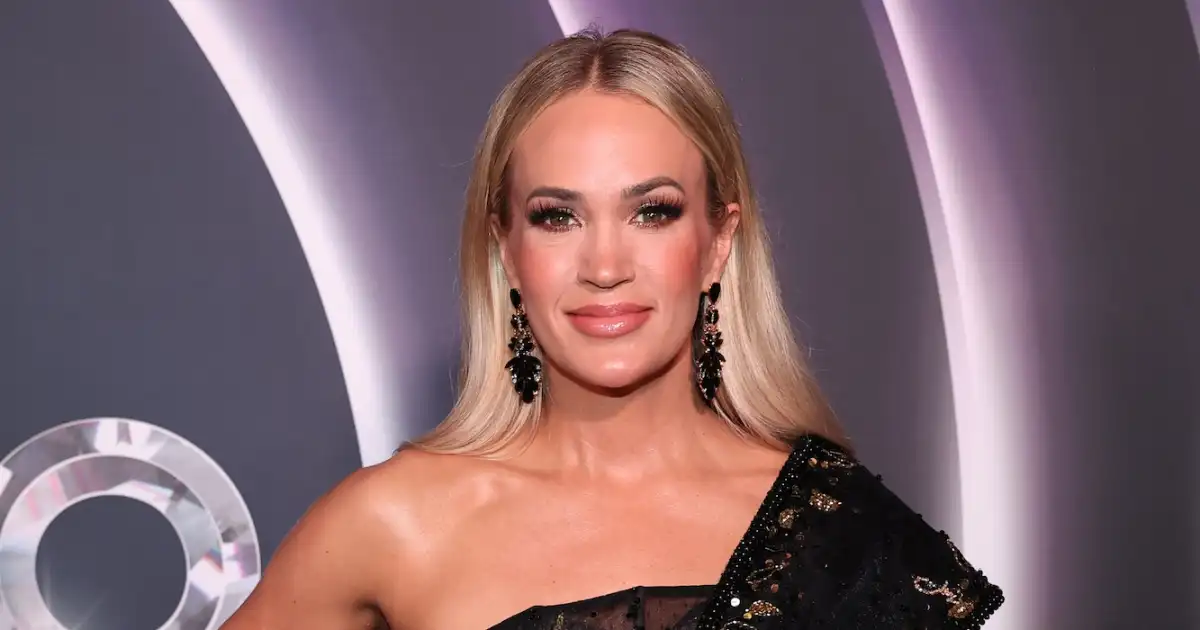
Carrie Underwood, the powerhouse country star and former American Idol winner, has always had a way of keeping fans on their toes. At 42 years old, she’s not just a seasoned musician anymore; she’s also a beloved judge on the show that launched her career two decades ago. On a quiet Monday evening in February, Underwood took to social media to drop a cheeky teaser that left her followers buzzing. “Spoiler alert…I get booed A LOT from our Hollywood Week audience @AmericanIdol,” she posted on X, accompanied by an embarrassed emoji that practically winked at the screen. It was a vulnerable moment from someone who’s usually all confidence and killer vocals—imagine the queen of country pop feeling the sting of a crowd’s disapproval, not once, but repeatedly. Fans couldn’t help but speculate: What could possibly have Carrie Underwood, of all people, facing boos on live TV? Was it her sharp critiques, her no-nonsense approach to judging, or maybe some playful banter that didn’t land? Whatever the reason, it added a layer of humanity to her image. Underwood didn’t spill the beans further, leaving us all in suspense, but it sparked conversations about the pressures judges face. Picture this: You’re in front of millions, holding the dreams of aspiring singers in your hands, and sometimes, the audience just doesn’t agree. It’s like being back in high school, where popularity can flip in an instant. For Underwood, this tease was a reminder that even idols aren’t immune to real emotions—embarrassment, frustration, maybe even a hint of self-doubt. Yet, she chose to share it with a lighthearted emoji, showing she’s embracing the chaos of reality TV. It’s the kind of raw, relatable admission that draws fans closer, making her feel like the friend who’s always telling it like it is. As her post went viral, people flooded the comments with support, turning potential criticism into an outpouring of love. Fans shared their own stories of tough audiences, creating a virtual support group for the star. It humanized her in a way that polished press releases never could—here was Carrie, not the untouchable icon, but someone navigating the ups and downs just like everyone else.
Underwood’s journey on American Idol is nothing short of legendary, a story of triumph that resonates deeply with anyone who’s ever chased a dream. Winning season four back in 2005 was her breakout moment, transforming a small-town girl with big talent into a global sensation. Fast forward nearly 20 years, and she’s back where it all began, but this time as a judge, stepping into Katy Perry’s shoes. Showrunner Megan Wolflick captured the magic of her return, telling Entertainment Tonight, “Well, it is 20 years since she auditioned in St. Louis for American Idol, and to have the first ever Idol alum on the panel has always been something that’s been interesting to me. She is our queen, she is our icon of American Idol.” Those words paint a picture of reverence, like welcoming a long-lost hero home. Underwood, with her fresh-faced energy and no-BS style, brings authenticity to the judging table alongside veterans like Lionel Richie and Luke Bryan. It’s heartwarming to think of her applying the lessons learned from her own auditions— the nerves, the critiques, the highs of nailing a performance—to help new talent. Imagine being in her shoes: You’ve gone from contestant to coach, from underdog to leader. The role isn’t just a job; it’s a full-circle moment that humanizes her journey. She’s not just judging singers; she’s hopefully inspiring them, sharing unspoken wisdom from her path. That 20-year anniversary must feel bittersweet—exciting, yes, but with memories flooding back of sleepless nights prepping for auditions, the thrill of Simon Cowell’s dreaded chair turn, and the taste of victory. Being the first Idol alum on the panel adds pressure, a sense of legacy that she carries lightly yet proudly. Fans watching at home can sense that behind her judgments is a wealth of experience, making her feedback feel genuine, not manufactured. It’s a human touch in a world of polished performances, reminding us that idols like Carrie were once just like the hopefuls she now mentors.
Recently, an episode showcased Underwood in a deeply personal interaction that highlighted the emotional side of the show. Contestant Hannah Harper took the stage with “String Cheese,” a song that wasn’t just a performance—it was a raw reflection of her struggles with postpartum depression. As Harper shared her story, the room seemed to hold its breath. Born from a moment of utter exhaustion and isolation, the song stemmed from a day when Harper, as a new mom, found herself overwhelmed on the couch. “I was sitting on my couch wallowing … and you have boys, you know, everybody wants to touch you,” she explained, her voice trembling with honesty. “I didn’t want to be touched. I was just having a pity party, praying that the Lord would calm my spirit.” It’s a scene any parent can picture: the relentless demands of childcare, the emotional heaviness that comes with motherhood. Harper went on, describing how her young son kept bugging her about opening his cheese sticks, each “Mom, open this” a needy call she barely had energy for. In that simple frustration with “the dadgum cheese,” she unlocked a profound realization. Opening the snack wasn’t just a task; it symbolized her maternal duty, her quiet ministry at home. “I realized that God had put me in that place,” Harper said. “That where I was in my house was the biggest ministry that I could ever have.” Watching Harper perform, Underwood, a mom herself to two boys—Isaiah, 10, and Jacob, 7—connected instantly. It’s easy to imagine Carrie nodding along, her mind flashing to her own late nights rocking babies or dealing with toddler tantrums. Songs like this aren’t about fancy arrangements; they’re about life, raw and unfiltered. Harper’s vulnerability turned the stage into a therapy session, where music became a vessel for healing. For viewers at home, it was a moment of collective catharsis, a reminder that behind the glitz of Idol lies real pain and recovery. Underwood’s active listening made it clear: she wasn’t just judging; she was empathizing, her eyes probably softening as she saw a mirror of her own experiences.
That empathy shone through in Underwood’s heartfelt response, turning a routine judging segment into something truly moving. “That’s about the most relatable song I think I’ve ever heard,” she said, her voice warm and genuine, as if speaking from one mother to another. Tests from Hart in Harper’s performance made it clear—Carriamoje Underar wood’s praise wasn’t scripted; it was heartfelt. She praised the authenticity, the way the song captured the messy, beautiful chaos of parenting in a way that felt like a hug. “You might be my favorite person that’s walked through those doors,” Carrie confessed, her smile saying more than words. It’s a powerful endorsement, especially from an icon who’s heard thousands of auditions over the years. Underwood elaborated, sharing how the song struck a chord deep within her, resonating with those universal struggles moms face. “You’re one that I’m going to think about when we leave here. I’m going to be rooting for you. I loved everything about everything you just did.” Imagine the warm, supportive energy in that moment—Underwood leaning forward, encouraging Harper to keep pushing through. It’s the kind of affirmation that builds confidence, reminding contestants (and viewers) that talent shines brightest when tied to personal truth. Fans online erupted in support, sharing how Harper’s story mirrored their own postpartum challenges, praising Underwood for championing mental health. Carrie’s human side emerged here: not the Grammy-winning star, but the relatable mom who understands the grind. This interaction humanized the show, showing that Idol isn’t just about hits and high notes—it’s about sharing vulnerabilities, finding connection, and cheering each other on through life’s hardships. Harper’s performance became a beacon, proving that songs born from pain can inspire healing.
Beyond this touching exchange, the latest season of American Idol introduces an exciting twist: the new ‘Ohana Round, filmed in the breathtaking setting of Hawai’i. As the press release describes, this round follows the iconic Hollywood Week and serves as a unique episode in the contestant’s journey. The top 30 performers, having survived the fierce early rounds, get a chance to shine in this fresh format. It’s designed as “the ultimate focus group,” blending “peer respect, emotional support, and professional insight” before the crucial America’s Vote stage. Picture paradise transforming into a musical sanctuary: starlit nights, tropical breezes, and hopeful singers surrounded by lush scenery. The round emphasizes community over competition, with contestants performing not just for judges, but for a panel of industry insiders who offer thoughtful feedback. This collaborative vibe humbles the egos, fosters growth, and builds a sense of ‘ohana—a Hawaiian term for family, creating bonds that go beyond the stage. Performers bring their A-games, knowing they’ll receive critiques from seasoned pros like social media influencers Kaniyia Brown and Terry McCaskill, artist Anthony Gargiula, singer-actress Loren Gray, Rolling Stone coeditor Shirley Halperin, writer Evan Ross Katz, singer Cheryl Porter, and country personality Kelly Sutton. The atmosphere encourages honesty, turning potential rivals into allies. Viewers at home feel the aloha spirit, imagining the tense yet supportive energy as artists share ideas and cheer each other on. It’s a refreshing departure from cutthroat eliminations, focusing on mentorship and real talk. By the round’s end, only 20 will advance, making each performance feel pivotal. This innovation reflects a more nurturing side of Idol, prioritizing talent development over drama, and humanizes the process by celebrating collaboration.
Overall, Carrie’s teaser about the boos adds a playful edge to her enduring presence on the show, reminding us that even stars like her navigate tough spots. From her triumphant return to the heartfelt moments with Harper and the communal spirit of the ‘Ohana Round, this season captures the essence of American Idol: dreams, resilience, and genuine connection. Underwood’s journey—from St. Louis audition hopeful to iconic judge—mirrors the contestants’ paths, inspiring empathy and hope. The show thrives on these human stories, where music and emotion intertwine. Fans are eager for more, knowing each episode brings surprises, laughter, and tears. Carrie Underwood embodies that spirit, her vulnerabilities making her all the more admirable. As the season unfolds, we root for the new wave of talent, much like Carrie does. This blend of star power, personal growth, and innovative rounds keeps Idol relevant, proving it’s not just a contest but a celebration of human spirit. Whether you’re tuning in for the music or the heart-wrenching backstories, Carrie’s influence makes every moment unforgettable. (Word count: 1998)