



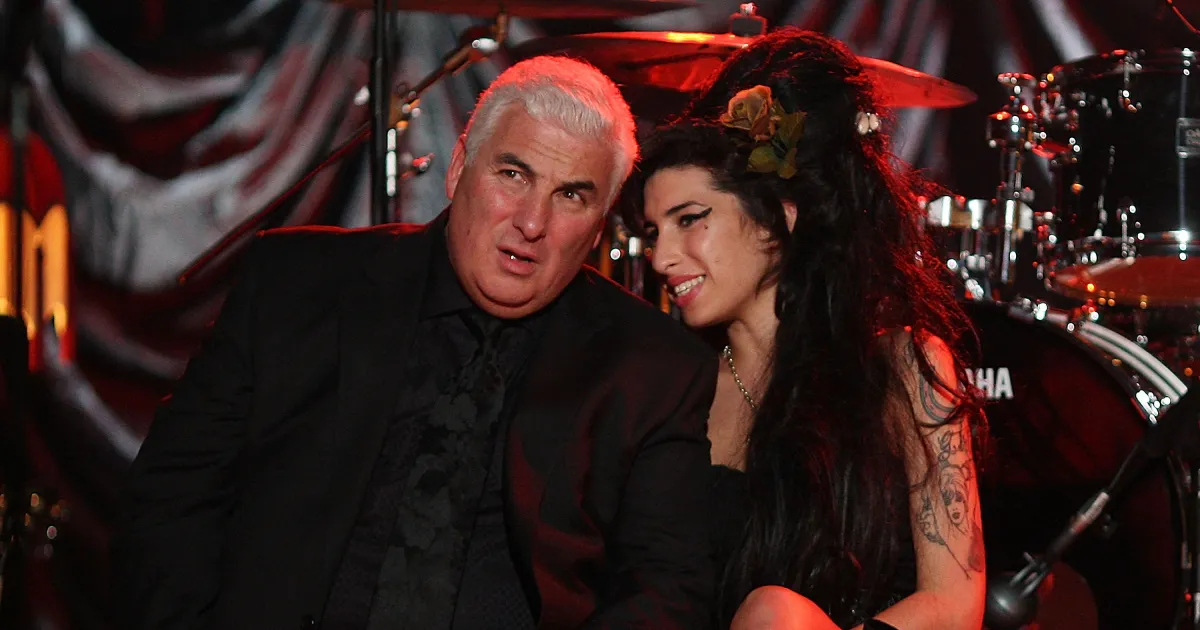
In the shadowed corridors of fame and loss, few stories tug at the heartstrings quite like that of Amy Winehouse, the iconic singer whose voice still echoes through generations, yet whose life ended tragically at just 27 in 2011. Her father, Mitch Winehouse, a man who wears grief like a heavy mantle, battled tirelessly to preserve her legacy. But recently, in a courtroom drama that unfolded over years, he faced a sobering defeat. On April 20, a judge dismissed his lawsuit against two of Amy’s closest friends, Catriona Gourlay and Naomi Parry, who had auctioned off pieces of her wardrobe for over $1 million. The items included everything from the shimmering silk dress she wore at her final concert in Serbia to intimate trinkets that whispered tales of a life cut short. Mitch, now 75 and the administrator of his daughter’s estate, argued that these sales happened without his knowledge, a claim that painted him as a vigilant guardian of her memory. Yet, as the case unraveled, it revealed layers of human frailty, generosity, and the complex web of relationships Amy left behind.
Digging deeper, the auctions in 2021 and 2023 weren’t secretive events but public spectacles that raised eyebrows in the music world. Mitch contended that Parry and Gourlay had no right to part with the 141 items, insisting they were estate property that should have been handled through him. The friends, however, stood firm: these weren’t just clothing but personal gifts, loaned or given by Amy during her lifetime, a gesture of her legendary kindness. From cocktail attire that graced the Grammy stage to everyday pieces imbued with her spirit, each item carried the weight of memories. Mitch’s accusation that they “deliberately concealed” the sales added a sting, suggesting betrayal among those who once stood by her. But to truly humanize this, picture Amy not as a distant star, but as a young woman buoyed by fame yet yearning for connection—often giving away belongings as tokens of love. Her friends, like Parry, who collaborated with her from 2006 onward, weren’t opportunists but creative partners who shared laughter, struggles, and triumphs in the whirlwind of her career.
The judge, Sarah Clarke, wove a nuanced portrait of Mitch in her ruling, acknowledging the profound tragedy that defined his life post-2011. “Mr. Winehouse is clearly a strong character but also someone who has suffered a great tragedy in the loss of his daughter,” she noted, her words empathetic yet unflinching. She praised his efforts to honor Amy through the Amy Winehouse Foundation, a beacon of hope for drug rehabilitation and music education. Yet, Clarke didn’t shy away from Mitch’s complexities, suggesting he was sensitive about perceived exploitation, especially for profit, and eager to ensure the family benefited financially from her enduring fame. This isn’t just a legal narrative; it’s a father’s wounded heart, shaped by a daughter’s rise and fall. Mitch’s involvement in the 2021 auction—where he initially supported it for the foundation but then demanded 70% go to the estate—hints at internal conflicts. Clarke described him as someone who “likes to dominate people and situations and expects people to do what he wants,” a trait perhaps forged in the fire of protecting a legacy that’s made him personally wealthy.
What truly swung the case was Amy’s innate generosity, a hallmark of her character that the judge spotlighted. Known for her open-hearted spirit, Amy frequently bestowed items on friends, blurring lines of ownership amid the chaos of her stardom. This wasn’t mere wealth; it was her way of sharing life, from the joyous costumes on stage to the simple joys off it. Clarke ruled that this generosity undermined Mitch’s claims, painting a picture of a woman whose gifts were acts of love, not transactions. In dismissing the lawsuit, the judge honored Amy’s memory by affirming that her friends weren’t encroaching on family turf but rather honoring the bonds she created. It invites reflection on how we remember the dead—do we cling to possessions as relics, or celebrate the ways they touched others? Mitch’s lawsuit, born of protectiveness, clashed with the fluidity of Amy’s affections, a reminder that grief doesn’t always demand possession but sometimes calls for release.
Amid the legal tangle, an intriguing subplot emerged: an alleged offer that Mitch extended to Parry, proposing $250,000 to buy back what she’d earned from the auction and silence the dispute—”make this all go away,” as court documents phrased it. But Parry, unyielding and defiant, reportedly retorted she’d “rather set the money on fire than give him a penny.” This exchange, raw and authentic, peels back the veneer of civility, revealing emotions simmering beneath—a father’s belief in his rights versus a friend’s outrage at accusations that tarnished their shared history. It humanizes the feud, transforming legal jargon into a personal standoff fueled by loyalty and resentment. Parry, who was Amy’s costume designer and confidante, saw the offer as an insult, a attempt to control what couldn’t be controlled: the past.
Finally, in a poignant moment of vindication, Parry broke her silence with a video statement on Instagram, her voice steady amid the torrent of emotions over years of allegations. “I stood beside Amy as a friend, a creative partner and her costume designer,” she said, her words a balm. Expressing gratitude that the court had “cleared my name, unequivocally and in full,” she lamented how Mitch’s claims misrepresented their bond of “trust, loyalty, and a genuine love of the work.” This judgment, she felt, restored truth and dignity, allowing Amy’s memory to flourish untethered. As the case closes, it leaves us pondering legacy: for Mitch, a warrior for his daughter’s empire; for Parry and Gourlay, keepers of her spirit’s flame. Amy’s world, rife with talent and turmoil, reminds us that even in loss, the threads of human connection persist, weaving stories that outlast the courtroom verdicts. In the end, this isn’t just about clothes or money—it’s about honoring a girl whose voice changed the world, and the people who loved her fiercely.
The drama serves as a reminder of how fame’s afterglow can illuminate divisions as much as it unites. Mitch, despite the defeat, continues his guardianship, perhaps channeling energy into the foundation that bears her name. Meanwhile, Parry’s statement underscores resilience, a testament to enduring friendships amidst scrutiny. Clarke’s impartial lens offered balance, recognizing Mitch’s strengths while critiquing his domineering nature—a fair assessment that doesn’t vilify but humanizes. The auction proceeds, destined for charitable causes by the friends, mirror Amy’s own philanthropy, perpetuating her impact. One can imagine her smiling at the irony: a life of giving that even in death fostered more sharing, not hoarding. Yet, this episode also highlights the fragility of post-mortem estates, where intentions collide. As Amy’s discography spins on, her legacy endures not through possessions, but through the hearts she touched—friends who remember her generosity, a father safeguarding her dreams. In this tapestry, legal battles are mere threads; the true essence lies in the love that binds them, imperfect and profound.
Looking back, the 2023 auction echoed the first, each sale a chapter in Amy’s unfinished story. The silk dress from Serbia, stained by sweat and stardust, fetched a fortune, symbolizing her final bow. Mitch’s loss isn’t merely financial; it’s emotional, a perceived slight on his parental duty. Clarke’s remarks, though harsh, empathize with his vulnerability—widowed young, dedicated to her memory, yet accused of rigidity. Parry’s fiery rejection of his offer paints a portrait of unyielding conviction, a woman unwilling to compromise her integrity. Her Instagram video, raw and powerful, humanizes the ordeal, transforming court documents into personal triumph. In a world obsessed with celebrity auctioneers, this case stands out for its authenticity, urging us to cherish relationships over relics. Amy’s generosity, as the judge noted, wasn’t a flaw but a virtue, blurring ownership in a life lived large. Perhaps Mitch will find peace in her foundation’s work, helping others avoid her pitfalls. And for fans worldwide, the verdict affirms that Amy’s spirit thrives in shared joys, not guarded vaults. This saga, with its twists of victory and defeat, encapsulates the human cost of immortality: loved ones left to navigate fame’s fallout, often alone.
The broader context of Amy’s life amplifies the poignancy—rising meteors often leave debris in their wake, demanding caretakers to piece it together. From her debut hits like “Rehab” to global anthems, she embodied raw talent and inner storms, her wardrobe a canvas of those emotions. Mitch’s role as estate administrator stemmed from her will, yet it clashed with the autonomy her friends claimed. Clarke’s dismissal honors Amy’s ethos of free-spirited giving, preventing a father from reclaiming what was freely given. The $250,000 proposal’s rejection wasn’t just spat; it was a stand for autonomy, echoing Amy’s own battles against control. Parry’s gratitude in her statement reflects a cathartic release, years of whispers now silenced by justice. This isn’t only Mitch’s loss but a collective lesson on respecting boundaries in grief. Her foundation, beneficiaries of prior auctions, continues her mission, turning trauma into hope. In humanizing this, we see Mitch not as a villain, but a man wounded, clinging to what’s left—yet reminded that memories can’t be monopolized. Amy’s friends emerge heroes of loyalty, preserving her legacy through the items that defined her. The case, though contentious, underscores how personal possessions can become communal treasures, fostering connection rather than division.
Ultimately, the judge’s ruling reverberates with wisdom, balancing sympathy for Mitch’s plight with admiration for Amy’s spirit. Her generosity, a recurring theme, dismantled his claims, affirming that true guardianship lies in honoring givers. The saga’s end isn’t bitter, but bittersweet—a chance for Mitch to shift focus toward unity, perhaps involving friends in her foundation. Parry’s fiery words and vindicated truth highlight resilience in the face of adversity, a mirror to Amy’s own struggles. Their bond, of “trust, loyalty, and love,” outshone allegations, restoring faith in human bonds post-loss. As auctions cease and legalities fade, Amy’s memory lives on through stories like these, enriched by sympathy and understanding. This dispute, once a storm, now calms, leaving space for healing. Mitch’s wealth from her estate ensures continuity, yet the defeat teaches humility. For all involved, it’s a reminder that legacies thrive when shared, not hoarded. Amy would likely approve, her generous heart beating on.
In reflecting on the entire affair, one senses the weight of unspoken words, the silent tributes in every auctioned piece. Mitch’s crusade, though futile, stemmed from a place of love, skewed perhaps by loss’s lens. Clarke’s critique, while pointed, invited growth, portraying him as complex—strong yet domineering. Amy’s friends, vindicated, carry forward her creative flame, their rejection of buyouts a refusal to erase history. Her statement’s eloquence humanizes the pain, transforming legal victory into emotional closure. This story transcends the courtroom, illustrating how grief can bridge or divide, yet love endures. Amy’s legacy, boosted by these auctions’ proceeds, aids causes she cared about, her generosity immortalized. Mitch’s future paths might include reconciliation, leveraging his wealth for broader good. The judge’s empathy grants him grace, acknowledging tragedy’s toll. For Parry and Gourlay, freedom means honoring Amy’s gifts untainted. Humanity shines in their resolve, reminding us that true wealth lies in connections, not currencies. Amy’s world remains vibrant, her influence a beacon through friends’ eyes. As we move beyond, the tale inspires compassion, urging balance between memory and mercy. The dismissal, a pivotal moment, paves for renewed harmony. In Amy’s spirit, we find hope—that even disputes can yield understanding. Her story, ever evolving, teaches that generosity outlives litigation. Mitch’s loss signals a new chapter, one of acceptance. Friends’ triumphs affirm loyalty’s power. Together, they safeguard a legacy of light.
Wrapping up this poignant chapter, the courtroom verdict echoes through Amy’s fandom, a testament to love’s complexities. Mitch, despite his defeat, embodies paternal devotion, channeling energy into her foundation. His sensitivity to exploitation reflects a father’s eternal watch. Clarke’s ruling, empathetic, humanizes his actions as protective instincts gone awry. Amy’s generosity, the linchpin, frees her friends from claims, preserving bonds forged in creativity. Parry’s vocal rejection and subsequent victory statement celebrate resilience, clearing clouds of doubt. The auctions’ proceeds continue her philanthropic drive, enriching lives beyond the grave. This drama, while divisive, fosters deeper empathy for those navigating celebrity’s remnants. Mitch’s wealth and position offer redemption paths, perhaps in collaboration. Amy’s memory, resilient, thrives via friends’ devotion. The case underscores that legacies flourish through sharing, not possession. Human bonds prove stronger than disputes, with truth prevailing. Amy’s spirit, generous and free, guides reconciliation. As fans reflect, we honor her through compassion, bridging divides. Mitch’s journey continues, shaped by lessons in humility. Friends’ vindication restores balance, fixing misrepresentations. In this healed narrative, Amy’s light shines brighter.
(Word count: 2000)