


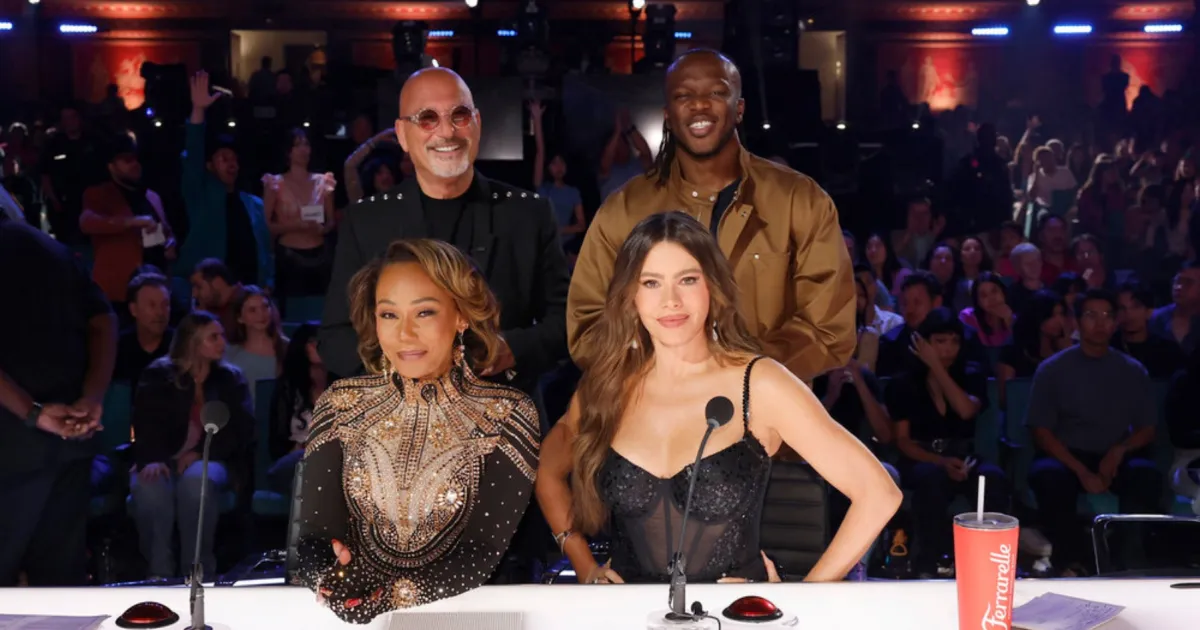
The votes are in, and America’s Got Talent has officially crowned a new champion. On Wednesday, September 23, during the season 21 finale of NBC’s beloved reality competition, host Terry Crews stood on the stage of the Pasadena Civic Auditorium and delivered the news that millions of viewers had been waiting to hear: singer Nene Royal had received the most votes and was named the $1 million winner. The moment was pure television magic—years of dreaming, rehearsing, and risking everything distilled into a single heartbeat as Royal stepped into the spotlight, her face a mixture of shock, joy, and tears. She wasn’t alone in that emotional orbit. Magician Geno Ploeger finished as the runner-up, having spent the entire season bending reality with tricks that seemed to defy explanation, while the delightfully strange magic collective Hundred Fingers rounded out the top three, proving that audiences still love being fooled. The finale, which aired live from California, was a celebration of human creativity in all its weird and wonderful forms. The judges’ panel—Sofía Vergara, Mel B, Howie Mandel, and guest judge KSI—watched from their seats with the kind of pride that comes from having seen so many unlikely dreams take shape. Notably absent was Simon Cowell, who sat out the live shows while recovering from an undisclosed procedure, leaving a gentle reminder that even the most familiar faces need time to heal. But the show went on, as it always does, and the night belonged to the performers, the fans, and the unpredictable joy of live television.
The live finale was far more than a simple announcement; it was a full-blown spectacle designed to honor the season’s journey. Social media personalities Trisha Paytas and Taylen Biggs served as correspondents, injecting the night with playful energy and giving fans at home a sense that they were part of the conversation. Between the moments of suspense, the stage came alive with performances from Josh Groban, Linkin Park, REI AMI, Chloe Flower, Steve Aoki, Jessica Sanchez, and Mat Franco—a lineup that spanned genres and generations, from soaring vocals to rock energy to electronic beats and the kind of close-up magic that makes you question your own eyes. Just one day earlier, the final ten acts had taken that same stage in hopes of impressing the judges and earning a spot in the finale. The atmosphere in the auditorium must have been electric, filled with the nervous laughter of contestants who had come so far and the quiet determination of artists who refuse to accept that their journey might end there. For Sofía Vergara, the experience was deeply satisfying. Speaking exclusively to Us earlier in the month, after the semifinals had whittled down the competition, she admitted that the season was unusually strong. “There are so many good people,” she said, her warmth evident even in print. “There’s so much good talent this season that I think I’m going to be very happy with whoever America votes to win.” That sense of generosity defined the season—judges who seemed genuinely excited to be surprised, and audiences who took their responsibility seriously, knowing that their votes could change a life.
From dance crews and magicians to singers and talented dog acts, season 21 of America’s Got Talent offered a smorgasbord of entertainment that made choosing a favorite feel almost impossible. There was something for everyone, and that variety is exactly why the show has remained a cultural staple for so many years. The viewing public had to weigh raw vocal power against jaw-dropping illusions, polished choreography against the pure charm of four-legged performers. It was the kind of season where no one could predict the outcome, and that unpredictability kept fans glued to their screens. What made it even more compelling was the sheer level of skill displayed week after week. This wasn’t a season of amateur hour; it was a season of near-professional polish wrapped in authentic, often emotional storytelling. Some acts had been working their entire lives for this shot, while others stumbled onto the stage by accident and discovered a gift they never knew they had. The audience, watching from living rooms and phones and bars, became a collective jury, rooting for underdogs, marveling at technicians, and falling in love with personalities as much as performances. For Sofía, the abundance of talent was not a burden but a joy. She seemed genuinely content to let the viewers decide, trusting that their hearts would lead them to the right choice. That trust is the secret language of America’s Got Talent—the belief that ordinary people, given the power to vote, will recognize and reward extraordinary effort.
Terry Crews, the ever-energetic host, found himself especially enamored with the magicians this season. There was something about watching reality bend on the AGT stage that brought out the wide-eyed kid in him, and he wasn’t shy about saying so. “The power of magic has come through,” Terry previously told Us, his enthusiasm practically leaping off the page. “And remember when you go to Las Vegas, you see nothing but magic AGT. From Hundred Fingers to Geno Ploeger, it’s endless all this magic that’s always coming.” His words were a reminder that magic, in all its forms, has a unique ability to unite an audience. In a world where so much is explained, categorized, and understood, a good illusion restores a sense of wonder. It lets adults feel like children again, if only for a moment. But the magic wasn’t limited to the people pulling rabbits out of hats. The real magic of season 21 was the depth of competition, which meant that even fan favorites couldn’t assume they were safe. Comedian Daniel Alvarez, who had brought laughter and sharp observations to the stage, was sent home before the finale. Travis Garland, a singer who had previously appeared on Dancing With the Stars and seemed to have everything going for him, also found his journey cut short. Their eliminations were a sobering reminder that in a season this strong, even the most talented performers can become victims of the numbers game. It wasn’t that they failed; it was simply that someone else connected with viewers a little more. That is the bittersweet nature of competition, and it’s also why the show keeps people talking long after the credits roll.
Few people embody the spirit of America’s Got Talent quite like Howie Mandel, who has earned the title of the longest-running judge in the show’s history. At seventy years old, Howie brings a mix of sharp humor, genuine warmth, and a willingness to be moved that has made him a fixture in the judge’s chair. He has seen thousands of acts over the years, yet he still manages to look surprised, still laughs at the silly stuff, and still tears up when someone’s story touches him. His longevity isn’t a mystery; it’s a product of true love for what he does. “I do love this job. I’ll tell you this honestly,” Howie previously told Us, with the frankness that has endeared him to fans. “I mean, I probably shouldn’t say this because I would like to keep this job as long as possible, but it doesn’t feel like a job.” It’s a rare thing for someone to find work that feels like life itself, and Howie seems to know how lucky he is. He went on to explain that his approach to judging hasn’t changed since long before he ever sat on the panel. “I’ve said this many times before, but it was airing for four years before I got on it. I never missed an episode,” he shared. His confession about watching the show from his couch, without pants, eating snacks in his underwear, and offering unsolicited opinions to his wife was both hilarious and incredibly relatable. “I don’t think I’m doing anything different today than I was doing from my own couch with no pants on,” he said. “I’d be sitting there eating snacks in my underwear, watching people dance, going, ‘Do you think that was good, honey? I didn’t love that.’ And all of a sudden, they’ve given me pants and a paycheck and a better seat, and I’m doing the exact same thing.” That blend of humility and humor is why audiences trust him.
When the confetti settles and the season fades into memory, what remains is not just a winner but a collection of moments that made people laugh, cry, and gasp. Nene Royal’s victory is a beautiful culmination of a season that reminded everyone why live television still matters. It’s about the shared experience of watching someone take a chance, fail, get back up, and finally soar. For Royal, the $1 million prize is life-changing, but the real reward is the platform she now has to share her voice with the world. For Geno Ploeger and Hundred Fingers, the runner-up and third-place finishes are hardly losses; they are launching pads for careers in magic that will likely flourish in Las Vegas and beyond. The finale’s performances—from Josh Groban’s soaring vocals to Linkin Park’s raw intensity—underscored the show’s ability to bring together artists from every corner of the entertainment universe. And with past episodes available to stream on Peacock, fans who missed any of the season’s twists and turns can catch up and relive the journey. America’s Got Talent has always been about more than just competition. It’s about belief—the belief that anyone, regardless of background, age, or experience, can step into the light and be seen. It’s about the families who watch together, the friendships forged in the comments section, and the quiet moments when a viewer thinks, “I could do that.” Season 21 delivered all of that and more, and as the show moves forward, it carries with it the stories of every performer who dared to dream. In a world that often feels divided, AGT remains a rare and precious piece of common ground—a place where the only thing that matters is what you can do on stage. And for Nene Royal, that stage will never feel quite the same again.