



The Glamour and Unexpected Interruptions of the 2026 BAFTA Awards
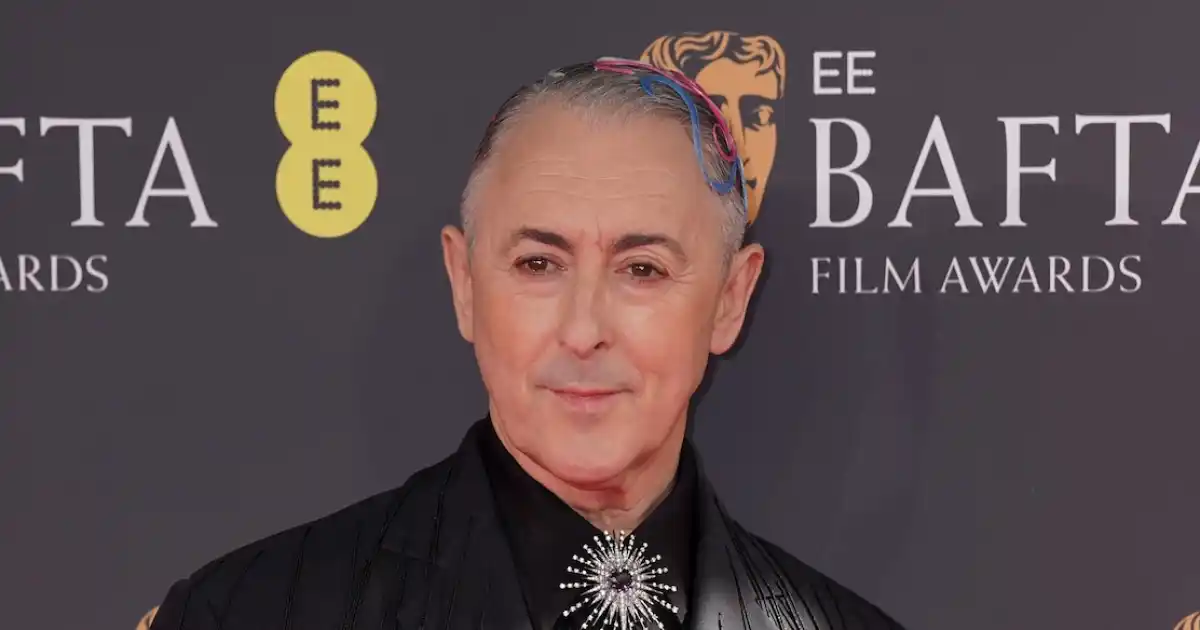
Imagine the dazzling lights of London’s Royal Festival Hall, filled with celebrities, filmmakers, and industry elites all gathered for one of the most prestigious nights in entertainment: the 2026 BAFTA Awards. The air buzzed with excitement, red carpets glistening under spotlights, and anticipation for honors in categories like Best Film, Best Actor, and Best Visual Effects. But amidst the glitz, an unexpected element disrupted the polished proceedings, turning what should have been a night of celebration into a poignant lesson in empathy and understanding. At the center of it was host Alan Cumming, a seasoned actor with a charming Scottish flair, known for roles that blend wit, vulnerability, and sometimes, the raw edges of human experience. Cumming, at 61, stood poised on stage, his voice steady yet warm, as he navigated the crowd’s reactions. It wasn’t your typical awards show hiccup—like a forgotten acceptance speech or a tech glitch— this one involved involuntary outbursts that echoed through the hall, reminding everyone that even in the world of make-believe, real human conditions can’t be scripted out. The source? John Davidson, a Tourette’s activist whose own life story inspired a nominated film, added an uninvited layer of authenticity to the event. As Cumming later addressed the audience, he thanked them for their “understanding,” framing the chaos not as rudeness, but as a window into a neurological reality that many had never encountered firsthand. It’s stories like this that remind us that behind the silver screen, true narratives unfold in unpredictable ways, forcing us to confront our assumptions about disability, decorum, and what it means to be present in a shared space.
That night, the outbursts began almost from the start, catching presenters and winners off guard. Picture this: the ceremony kicking off with the BAFTA chair, Sara Putt, delivering her opening remarks, only to be interrupted by a loud, unmistakable shout from the crowd—”Shut the f up”—followed by other exclamations that rippled through the murmurs. For many in attendance, it was jarring; we’re conditioned to expect flawless broadcasts, where every word is rehearsed and every pause is deliberate. But here, in this live spectacle, the interruptions highlighted a vulnerability that the film industry often glosses over. As Desi Boong’s directors climbed the stage to accept an award, another outburst pierced the air: “F you.” And perhaps most strikingly, when actors Michael B. Jordan and Delroy Lindo presented the Best Visual Effects trophy to the team behind Avatar: Fire and Ash, the n-word was hurled, echoing in a way that made heads turn and conversations hush in discomfort. These weren’t planned heckles or audience participation gone wrong; they were involuntary expressions tied to a condition that defies control. For those new to it, Tourette’s syndrome isn’t just quirky behaviors seen on TV—it’s a neurological disorder, as described by medical experts like those at the National Institute of Neurological Disorders and Stroke, characterized by sudden, uncontrollable movements or vocalizations known as tics. Davidson, sitting among the guests, embodied this through his outbursts, which weren’t aimed at anyone but stemmed from the involuntary nature of his syndrome. It’s a reminder that disability doesn’t adhere to societal rules of politeness; it’s unpredictable, and in a setting like the BAFTAs, where every element is curated for maximum impact, it forced a collision between curated glamour and raw humanity. Attendees, from A-listers to behind-the-scenes crew, must have felt a mix of shock, sympathy, and perhaps even introspection, wondering how often hidden conditions like this go unnoticed in everyday life.
Host Alan Cumming, ever the empathetic guide, stepped in to humanize the moment, turning potential hostility into a teachable one. “You may have noticed some strong language in the background,” he said smoothly, his tone gentle and reassuring, like a wise uncle calming a room full of rowdy kids. He explained that these outbursts could be part of how Tourette’s manifests for some, tying it directly to I Swear, the biographical film nominated in the evening’s lineup. Cumming’s words weren’t just damage control; they were an invitation to empathy, painting Davidson not as a disruption, but as a person whose condition deserved recognition. Later, he doubled down with a more direct apology: “Tourette’s Syndrome is a disability and the tics you’ve heard tonight are involuntary, which means the person who has Tourette’s Syndrome has no control over their language. We apologize if you are offended tonight.” This wasn’t the host brushing off the incident; it was a pivot that elevated the conversation, transforming an awkward blip into a broader dialogue about inclusivity. For many, Cumming’s response must have resonated deeply—after all, awards shows thrive on narratives of triumph and inclusion, and here was a chance to live that ethos. It made the audience reflect: in a world obsessed with control and perfection, how do we accommodate those whose minds operate on different rhythms? Cumming’s handling underscored the BAFTAs’ commitment to diversity, not just in nominees but in the very atmosphere of the event, ensuring that disability wasn’t sidelined but brought into the spotlight for education.
Interestingly, the outbursts didn’t persist throughout the evening. As reported, the second half of the ceremony unfolded without the same interruptions, coinciding with Davidson’s departure from the room of his own accord—nobody asked him to leave, respecting his autonomy. Before it all began, a floor manager had thoughtfully introduced him to the audience, much like you’d introduce an honored guest. “I’d like to welcome John Davidson MBE from one of our nominated films I Swear. John has Tourette’s Syndrome so please be aware you might hear some involuntary noises or movements during the ceremony,” they announced. This preemptive warning was a smart touch, fostering an environment of preparedness rather than surprise. It humanized Davidson from the outset, turning him from a potential liability into a living testament to the film’s message. For attendees who might have debated the ethics of his presence, this moment framed him as part of the celebration, not apart from it. Davidson, awarded an MBE for his advocacy work, hadn’t just shown up to cause a scene; he was there to witness the film inspired by his life. His voluntary exit later highlighted the event’s flexible approach—no drama, no drama—allowing the show to proceed seamlessly while honoring the complexity of his condition. It’s a nuanced balance that awards bodies like BAFTA often navigate: maintaining prestige while embracing realism, showing that true progress isn’t about excluding difference, but integrating it thoughtfully.
At the heart of the evening was I Swear, the biographical film that put Davidson on this unexpected stage. Exploring Tourette’s through his eyes, the movie dives into the daily realities of the syndrome— the internal battles, the social misconceptions, and the strength required to live authentically despite relentless tics. It’s not just a drama; it’s a raw, honest portrayal that has resonated far beyond the awards circuit, touching lives across the UK and beyond. Emma McNally, CEO of Tourettes Action, shared with Variety how the film sparked conversations: “We’ve had a huge amount of people reach out to us about I Swear, both individuals living with Tourette’s syndrome and those with no previous connection to the condition. All have been deeply affected by the film.” She elaborated that viewers, often unaware of the full scope of Tourette’s, now grasp how it can manifest in unpredictable ways, far from the stereotyped portrayals in media. Davidson’s story on screen, with its depth and honesty, challenged preconceptions, illustrating that tics aren’t performances or choices—they’re involuntary expressions of a brain wired differently. For many, especially those newly exposed through the film, it fostered empathy, prompting reflections on how society labels and overlooks such conditions. Tourettes Action’s statement hoped for a ripple effect: “We’re hopeful that as more people talk openly and more accurate on-screen representations appear, we’ll continue moving toward a more inclusive and understanding society for everyone living with Tourette’s.” In essence, I Swear didn’t just aim for a BAFTA statuette; it aimed to chip away at stigma, one anecdote at a time.
Reflecting on it all, the 2026 BAFTA Awards incident with John Davidson and host Alan Cumming serves as a microcosm of broader societal shifts. We’re living in an era where conversations about mental health, disability, and neurodiversity are gaining traction, propelled by advocates like Davidson who refuse to hide their truths. That night in the Royal Festival Hall, amidst the applause and applause-worthy moments, the outbursts weren’t just noise—they were a call to action, reminding us that inclusivity isn’t a checkbox on a diversity form; it’s the lived experience of accommodating everyone in the room. For the winners accepting trophies, the presenters delivering lines, and the spectators watching from home, it humanized the industry, proving that even Hollywood’s glitziest events can be platforms for real change. As society moves forward, incidents like this encourage us to ask: How do we create spaces where involuntary actions don’t dictate someone’s value? It’s a question that echoes beyond awards shows into schools, workplaces, and everyday interactions. By acknowledging conditions like Tourette’s not as disruptions but as part of the human tapestry, we’re better equipped to build a world that’s not just tolerant, but truly understanding. And for John Davidson, whose story ignited it all, it’s a testament to resilience—the ability to inspire, even when words aren’t entirely your own. In the end, the 2026 BAFTAs weren’t just about films; they were about faces, voices, and the unspoken stories that deserve to be heard. Let this be a reminder that empathy, much like a well-timed script, can turn an interruption into a lasting impact, fostering connections that resonate long after the lights dim.