



Have you ever noticed how cinematic depictions of the apocalypse have a strange, magnetic way of making the absolute end of civilization look incredibly cool? From the sleek cyber-rebellion of Tokyo-inspired virtual realities to the sun-scorched, leather-clad, petrol-guzzling wastelands of desolate deserts, science fiction dystopias have long provided audiences with a highly stylized form of anti-escapist fantasy. We love to shudder at the bleakness of these imagined futures, yet a mischievous part of us secretly fantasizes about what it would feel like to throw on a floor-length leather duster, put on some dark sunglasses, and engage in high-octane combat against rogue artificial intelligence or tyrannical warlords. There is something deeply cathartic about watching humanity stripped down to its bare essentials, forced to fight for survival in worlds where all of our modern, mundane anxieties have been replaced by grand, existential struggles. To celebrate this thrillingly dark corner of cinema, we are diving deep into five of our absolute favorite dystopian sci-fi masterpieces, meticulously ranked from the merely brilliant to the peerless crown jewels of the genre, exploring how they reflect our deepest societal fears while offering a profound glimmer of hope.
Arriving at the fifth spot on our countdown is Disney and Pixar’s exceptionally daring 2008 masterpiece, Wall-E, which proved that a family-friendly animated feature could deliver one of the most poignant environmental warnings in cinematic history. The film introduces us to the Waste Allocation Load Lifter Earth-Class—affectionately known as Wall-E—a solitary, rusty little trash-compacting robot who has spent seven lonely centuries tidying up a desolate, abandoned Earth that has been completely buried under towering mountains of consumerist garbage. Despite the overwhelming bleakness of his endless, Sisyphean task, Wall-E possesses an enduring, childlike curiosity, finding small pockets of joy, beauty, and history in the discarded relics of human civilization, from rubber ducks to old VHS tapes of romantic musicals. His quiet, routine-driven existence is completely upended when he encounters EVE, a sleek, state-of-the-art probe sent from a massive luxury starship to search for signs of recolonizable life. What follows is a breathtakingly tender, virtually silent love story that sees the smitten Wall-E follow EVE into the far reaches of space, where he discovers that humanity has degenerated into obese, screen-addicted passengers entirely dependent on automated systems. Pixar pulled off an incredible creative gamble by keeping the film’s first forty-five minutes entirely devoid of human dialogue, relying instead on pure physical comedy, expressive character design, and masterful soundscapes to convey profound emotional truths. By juxtaposing a hollowed-out Earth with the warm, beating mechanical heart of its lone caretaker, Wall-E manages to be an unflinchingly optimistic and deeply emotional exploration of what it truly means to be alive.
Blasting into our fourth position is George Miller’s high-octane 2015 triumph, Mad Max: Fury Road, a film that defied all expectations of what a modern action blockbuster can achieve by raising the bar for practical stunts to dizzying heights. Decades after the total collapse of global society, we find ourselves immersed in a violent, sun-baked wasteland where water, gasoline, and human lives are strictly controlled by the grotesque, tyrannical cult leader Immortan Joe. When the haunted, quiet drifter Max Rockatansky is captured by Joe’s fanatical War Boys to be used as a literal “blood bag,” he finds himself unexpectedly swept up in a daring escape plot orchestrated by Imperator Furiosa, a fierce warrior who has hijacked a massive, armored war rig to smuggle Joe’s enslaved wives to a legendary sanctuary. What ensues is essentially a relentless, two-hour, kinetic chase sequence across a gorgeous, toxic desert, featuring jaw-dropping, real-world vehicular stunts, mind-boggling pyrotechnics, and some of the most imaginative world-building ever put to paper. What elevates Fury Road from a mere sensory assault into an absolute masterpiece is its profound feminist undercurrent, its tight thematic focus on survival, redemption, and bodily autonomy, and the incredible, unspoken chemistry between Tom Hardy’s gruff Max and Charlize Theron’s iconic, battle-hardened Furiosa. Miller, returning to the franchise he created in the late 1970s, injected the film with an unparalleled artistic vitality, proving that action cinema can be incredibly visceral, deeply progressive, and poetically beautiful all at the same time.
Stepping into the third spot on our list, we find ourselves in a near-future that feels disturbingly grounded in our current reality with Alfonso Cuarón’s haunting 2006 masterpiece, Children of Men. Set in a bleak, war-torn Britain in the year 2027, the film presents a terrifyingly plausible world on the precipice of extinction, brought about by two decades of unexplained, universal human infertility. Society has completely fractured into oppressive police states, xenophobic military crackdowns, and overwhelming national depression, where the youngest person on Earth has just been killed at the age of eighteen, triggering a global wave of mourning. Into this despondent landscape walks Theo Faron, a thoroughly disillusioned, cynical bureaucrat who is suddenly coerced by an underground activist group, led by his estranged ex-wife, into helping transport a young, undocumented young woman named Kee across heavily militarized borders. When Theo makes the shocking discovery that Kee is miraculously pregnant, his apathy instantly vanishes, transforming him into a desperate protector of the sole beacon of hope for the entire human race. Cuarón’s direction is a masterclass in cinematic tension and technical wizardry, famous for its breathtaking, hyper-realistic long takes—such as the iconic, claustrophobic car ambush and the harrowing, battle-strewn final sprint through a chaotic refugee camp. The true genius of Children of Men lies in its ability to take a grand, apocalyptic premise and ground it in a tactile, recognizable world of garbage-strewn streets and quiet human grief, ultimately delivering a powerful, deeply moving testament to the enduring power of faith, empathy, and hope in the face of absolute despair.
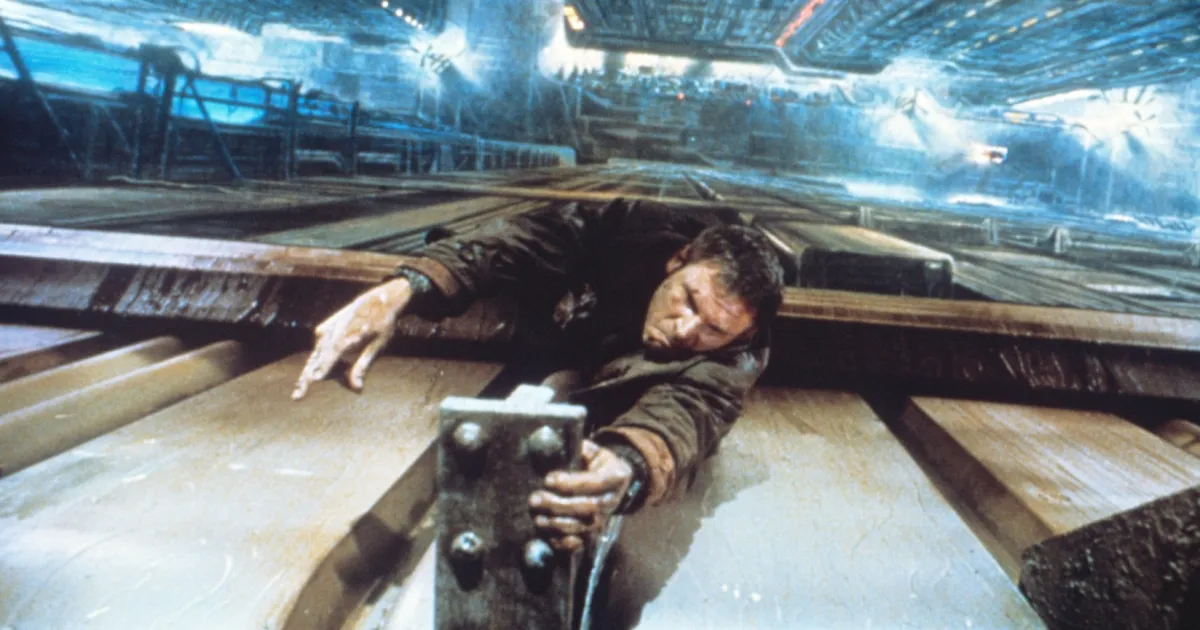
Securing our runner-up position is Ridley Scott’s seminal 1982 neon-noir masterpiece, Blade Runner, a film whose colossal influence on the aesthetic and philosophy of modern science fiction simply cannot be overstated. Set in a rain-slicked, corporate-dominated vision of Los Angeles in its future era, the story follows Rick Deckard, a weary, cynical detective known as a “blade runner” who is reluctantly pulled out of retirement to hunt down and “retire”—a polite term for execute—four bioengineered humanoids known as replicants who have escaped an off-world colony and returned to Earth. These advanced synthetics, led by the charismatic and tragic Roy Batty, are not searching for power or destruction, but are merely seeking out their creator in a desperate, deeply human bid to extend their artificially short four-year lifespans. As Deckard tracks his targets through a dense, suffocating cityscape where towering digital advertisements loom over decaying streets, he finds himself falling for a highly sophisticated replicant named Rachael, throwing his own moral certainty and fundamental humanity into complete disarray. Despite being a commercial flop upon its initial theatrical release, Blade Runner gradually evolved into a highly revered cult classic, thanks to its breathtaking, revolutionary production design, which seamlessly fused classic 1940s film noir detective tropes with futuristic cyberpunk aesthetics. Through its haunting, melancholy atmosphere, mesmerizing Vangelis electronic soundtrack, and iconic philosophical monologues about mortality, the film forces us to ask deep, uncomfortable questions about where technology ends and the soul begins.
Finally, claiming the absolute crown at the number one spot is the Wachowskis’ groundbreaking 1999 phenomenon, The Matrix, a film that didn’t just redefine action cinema, but fundamentally changed the way a generation conceptualized reality itself. The story centers on Thomas Anderson, a quiet, disillusioned computer programmer who moonlights as an elusive hacker named Neo, who is constantly plagued by an nagging, quiet feeling that there is something fundamentally wrong with the world around him. After a mysterious encounter with a legendary hacker named Trinity, Neo is introduced to Morpheus, a charismatic rebel leader who offers him a momentous choice between a blue pill, which will allow him to return to his comfortable ignorance, and a red pill, which will show him the truth. Upon swallowing the red pill, Neo awakens to a horrifying reality: the world he thought he lived in is actually a highly sophisticated, simulated construct designed by sentient, predatory machines to keep humanity docile while harvesting their bioelectric energy. Neo must embrace his destiny as “The One,” master the rules of the simulation to perform gravity-defying feats, and lead a desperate rebellion against the omnipotent, program-based Enforcers led by the intensely menacing Agent Smith. The Matrix was a perfect storm of filmmaking brilliance, masterfully blending high-concept philosophy, tech-anxiety, and anime-inspired action with the revolutionary “bullet-time” visual effects that captured the cultural imagination. Decades later, as we navigate our own increasingly digital, algorithm-driven world, the film’s central question of whether we are truly living in a simulation continues to resonate with a haunting, undeniable relevance, solidifying its place as the ultimate dystopian masterpiece.