


Have you ever sat on your couch, clutching the remote control like a lifeline, scrolling endlessly through a dizzying sea of colorful streaming tiles only to realize an hour has passed and you still haven’t picked anything to watch? It is a modern tragedy we all know too well, a paradox of choice that leaves us feeling emotionally exhausted before the opening credits of any movie can even roll. But what if I told you that Prime Video is currently harboring a selection of films so remarkably crafted, so deeply affecting, and so undeniably brilliant that they earn the elusive title of “masterpiece” without a shred of hyperbole? True cinematic genius is far more diverse, accessible, and deeply human than the stuffy, academic connotations of that word might suggest. It does not solely belong to three-hour historical epics or abstract, black-and-white avant-garde projects designed to make you feel intellectually inferior. Instead, cinematic excellence lives comfortably in the messy, heartwarming trials of pre-teen puberty; it thrives in the sun-drenched, dusty diamonds of minor-league baseball where romance and ambition collide; and it lurks in the haunting, expressionistic shadows of mid-century psychological thrillers that still have the power to make your skin crawl. These stories serve as magnificent mirrors to our own lives, reflecting our quietest insecurities, our passionate desires, and the sheer absurdity of the human condition. When we engage with a truly great film, we are not merely consuming passive entertainment; we are stepping into a sacred, shared space of storytelling that bridges the gaps between different eras, cultures, and generations. The three distinct masterpieces we are exploring today represent the very pinnacle of this comforting artistic magic, promising to reignite your passion for storytelling, evoke genuine tears of both laughter and sorrow, and leave you staring at the screen in absolute awe long after the credits fade.
We begin this cinematic journey with a film that was released only a few years ago but has already cemented its status as an undisputed triumph of modern filmmaking: Are You There God? It’s Me, Margaret. When people hear the title, their minds might instantly drift to memories of middle-school book fairs and the iconic, beloved young adult literature of Judy Blume. But do not let its adolescent pedigree fool you into thinking this is merely a simple kids’ movie or a nostalgic piece of intellectual property designed for easy sentimentality. Under the exceptionally deft, observant, and sensitive direction of Kelly Fremon Craig, this adaptation transforms into a sweeping, multigenerational masterpiece that examines the terrifying and exhilarating threshold of growing up. Our protagonist is Margaret Simon, a bright, intensely curious eleven-year-old girl portrayed with astonishing naturalism and vulnerability by newcomer Abby Ryder Fortson. Margaret’s comfortable world is suddenly turned upside down when her family uproots their life from the familiar, bustling concrete blocks of New York City to the manicured, intimidating suburbs of New Jersey. It is a transition that catalyzes a tidal wave of internal changes, as Margaret finds herself standing at the precipice of physical, emotional, and spiritual maturity. As her body begins to change in ways she doesn’t quite understand, her mind becomes flooded with the kind of heavy, existential questions that many adults spend their entire lives trying to evade. She navigates the complex social hierarchies of her new school, the agonizing anticipation of her very first menstrual period, and a profound, solitary spiritual search. Denied a formal religious upbringing by her interfaith parents, Margaret bypasses institutional dogma entirely and begins a deeply personal, whispered dialogue with an unseen Creator, asking for guidance through the chaotic maze of pre-adolescence, modeling a beautiful form of unfiltered, authentic human curiosity that resonates with viewers of absolutely any age.
What elevates Are You There God? It’s Me, Margaret from a standard coming-of-age story into a timeless work of art is its profound empathy for every single character on the screen, recognizing that growing pains do not miraculously vanish once we reach adulthood. This is beautifully illustrated through the parallel struggles of Margaret’s mother, Barbara, played with a breathtaking, soul-baring warmth by Rachel McAdams, who captures the quiet heartache of a woman trying to find her own identity while shielding her daughter from generational trauma. Alongside her is Kathy Bates as Sylvia, Margaret’s fiercely loving, delightfully dramatic grandmother, who represents the terrifying isolation and fierce devotion of our twilight years. Together, these three generations of women paint a stunning portrait of the female experience, demonstrating how we never truly stop questioning our place in the universe, no matter how old we get. It is a film that handles the awkwardness of buying sanitary pads and the pain of family estrangement with the exact same level of dignity, grace, and exquisite humor, avoiding any hint of cheap sentimentality. This same rare ability to blend high-stakes emotional gravity with effortless, breezy charm is precisely what connects Margaret’s journey to our next masterpiece, Bull Durham. Directed by Ron Shelton, this 1988 classic shifts our gaze from the suburban anxieties of New Jersey to the sweat-soaked, beer-fueled, and poetry-laden world of minor-league baseball. On paper, a sports movie about a gruff veteran catcher mentor, a wild-armed rookie pitcher, and a glamorous baseball philosopher sounds like a hard-boiled athletic drama. However, in reality, Bull Durham behaves far more like an intellectual, deeply romantic, and highly literate comedy about the physical and intellectual passions that drive us. It suggests that whether we are searching for God in a suburban bedroom or finding salvation on a dusty baseball diamond, we are all looking for something larger than ourselves to believe in.
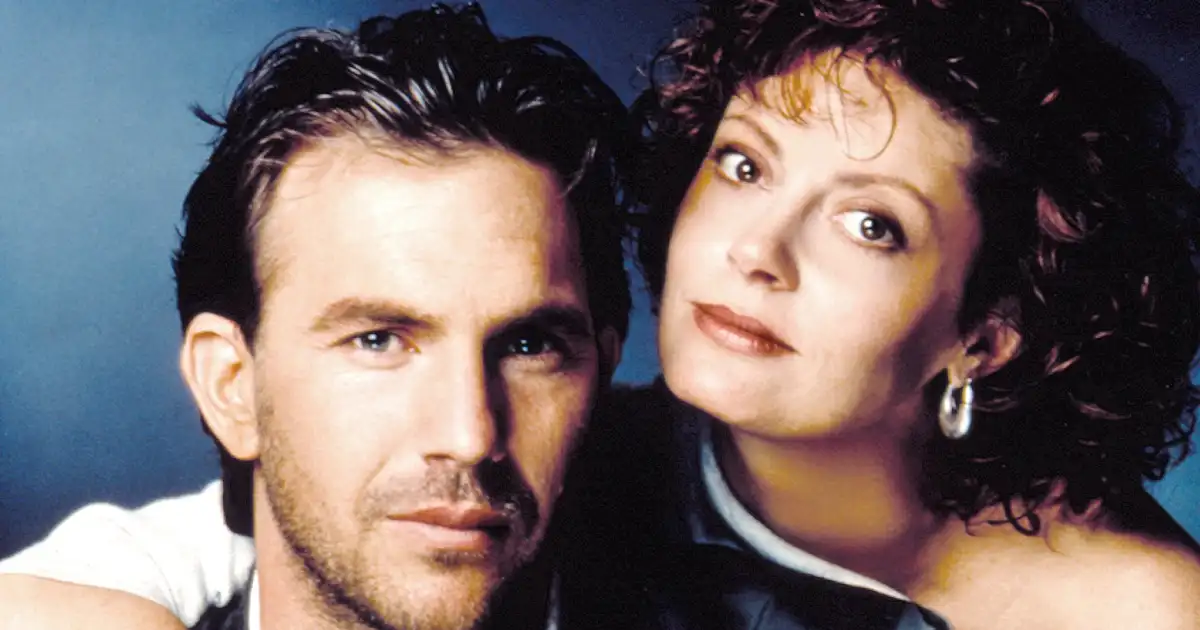
At the absolute heart of Bull Durham’s enduring, decades-long appeal is its refusal to conform to the predictable, cliché-ridden tropes of the traditional sports genre; instead of focusing solely on the thrill of victory or the agony of defeat, it elevates the mundane, beautiful absurdities of life in the minor leagues. Kevin Costner delivers what is arguably the defining performance of his career as Lawrence “Crash” Davis, a cynical, world-weary catcher who has spent his life chasing a fleeting dream in the shadows of the big leagues, only to be tasked with babysitting Ebby Calvin “Nuke” LaLoosh, a young, oblivious pitcher played with hilarious, hyperactive energy by Tim Robbins. But the true, undeniable gravity of this film belongs to Susan Sarandon’s iconic portrayal of Annie Savoy, a fiercely independent, highly educated temptress who holds court in Durham, North Carolina, choosing one player each season to tutor in literature, metaphysics, and the art of love. Annie is the high priestess of her own self-founded “Church of Baseball,” a pagan-like philosophy that treats the crack of a bat and the flight of a ball as sacred, spiritual experiences. The screen practically crackles with electric, adult chemistry whenever Costner and Sarandon share a frame, transforming a story about sports into a sophisticated, highly literate battle of wits and desires. Crash’s rugged, blue-collar pragmatism clashes beautifully with Annie’s poetic, romantic idealism, creating a dynamic that is as intellectually stimulating as it is undeniably sexy. The film teaches us that talent is cheap, but maturity, discipline, and emotional vulnerability are hard-won treasures earned through years of trial and error. It celebrates the poetry of the game while demystifying its legends, making it a film that appeals just as deeply to those who have never watched a single inning of baseball as it does to die-hard fans of the sport.
While the first two selections wrap you in a warm blanket of humanity, laughter, and romance, our final masterpiece, The Night of the Hunter, plunges us headfirst into a starkly different, albeit equally mesmerizing, cinematic landscape. Directed by the legendary English actor Charles Laughton in his singular directorial effort, this 1955 American Gothic thriller was tragically misunderstood and widely dismissed upon its initial theatrical release, a devastating commercial failure that broke Laughton’s heart and ensured he would never step behind the camera again. Yet, like a ghost rising from the ashes of neglect, the film has historically reclaimed its rightful place as one of the most visually stunning, poetic, and genuinely terrifying movies ever made. The plot centers around Harry Powell, portrayed by Robert Mitchum in a performance of unparalleled, chilling brilliance that defined the cinematic archetype of the charismatic monster. Powell is a self-proclaimed preacher who travels the Great Depression-era South, using his religious authority to conceal his true identity as a serial killer who targets lonely, wealthy widows. With the words “LOVE” and “HATE” crudely tattooed across his knuckles, Mitchum’s faux-preacher embodies the eternal, terrifying conflict between good and evil, using the guise of holy righteousness to manipulate a grieving widow, played with tragic vulnerability by Shelley Winters. When Powell discovers that her executed former husband hid a fortune of stolen cash, he marries her to get close to her two young children, who are the only ones who know where the money is hidden. What follows is a dark, dreamlike fairytale told from a child’s warped perspective, where the natural world becomes a surreal, expressionistic play of heavy shadows, sharp angles, and haunting German Expressionist lighting that makes every frame look like a breathtaking, nightmare-inducing painting that haunts your memory long after the final frame.
When we step back and examine these three extraordinary films side by side—Are You There God? It’s Me, Margaret, Bull Durham, and The Night of the Hunter—we are presented with an incredibly diverse, yet beautifully interconnected tapestry of the human experience across different eras of filmmaking. Separated by decades, styles, and genres, they are bound together by an uncompromising commitment to artistic truth and a deep, visceral understanding of what it feels like to navigate the trials of existence. They show us that cinema, at its absolute best, is not merely a passive distraction to escape our daily lives, but a powerful catalyst that helps us confront our deepest truths, whether that means laughing at the awkwardness of puberty, embracing the physical and romantic passion of our youth, or confronting the dark, predatory shadows that threaten our peace of mind. From Margaret’s quiet, hopeful prayers in her suburban bedroom, to Annie Savoy’s passionate devotion on the baseball diamond, to the terrifying, tattooed knuckles of Harry Powell pursuing innocent children down a starlit river, these films capture the full spectrum of our triumphs and our fears. They remind us of the incredible power of the cinematic medium to evoke genuine empathy, transport us to different worlds, and leave an indelible mark on our collective souls. As you prepare to dive into your next streaming session on Prime Video, bypass the endless carousels of forgettable content and treat yourself to these genuine, time-tested works of art. Let yourself be moved by their stories, enchanted by their performances, and thrilled by their artistry, because these are not just movies to pass the time—they are essential milestones of human expression that deserve to be watched, cherished, remembered, and passed down to future generations of movie lovers.