


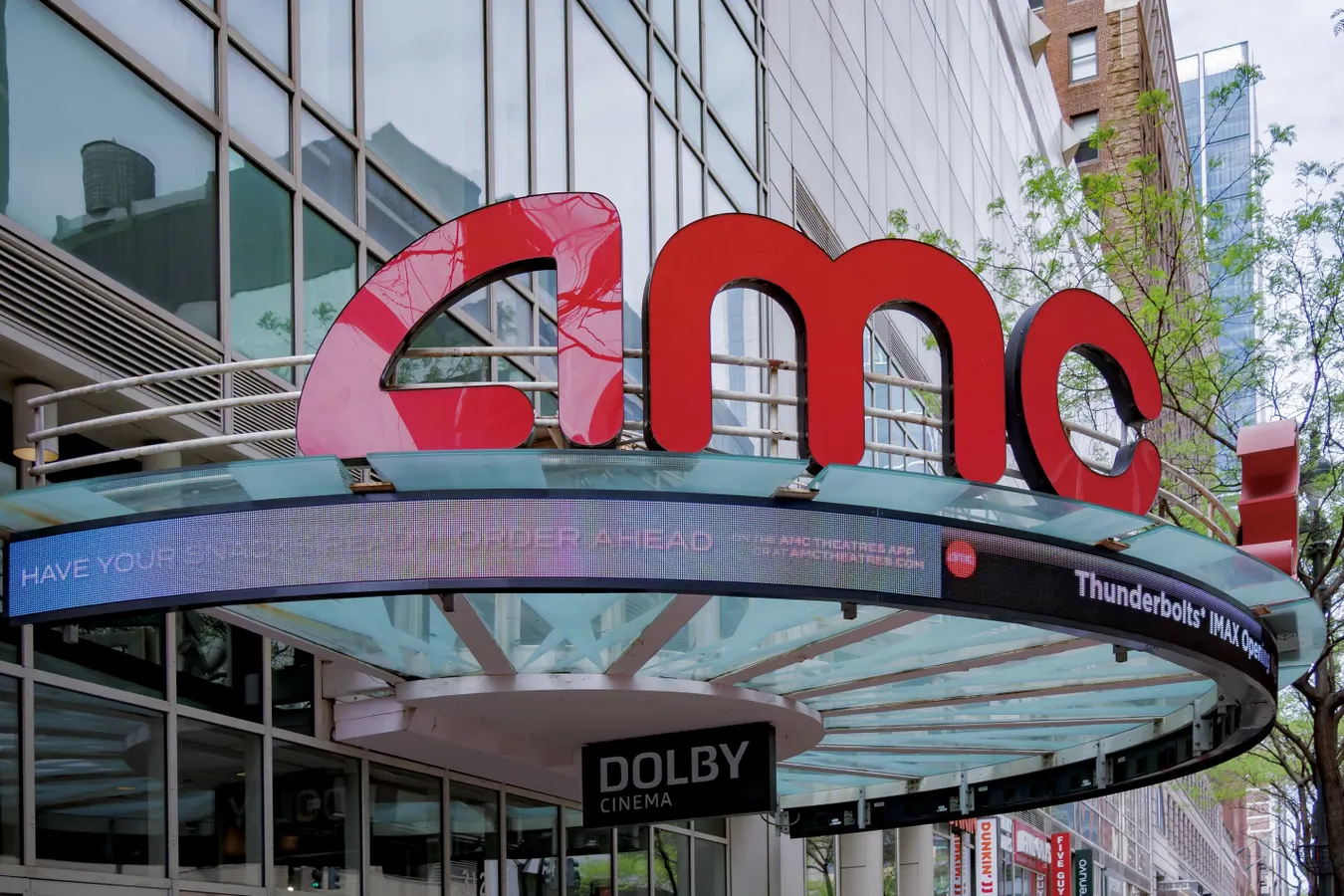
In the wild, unpredictable theater of modern political communication, the line between pop culture and state messaging has never been thinner. The White House recently took this blurring of boundaries to a cinematic new level by releasing a highly polished social media video that parodies one of the most beloved and widely memed advertisements of the decade: Nicole Kidman’s iconic AMC Theatres commercial. Swapping out the dark, cavernous warmth of a movie theater for the historic corridors of the White House, the promotional clip features a protagonist sporting a bright red “Make America Great Again” hat. This figure wanders through the executive mansion in a stylized sequence that mirrors Kidman’s journey, transforming a message originally designed to celebrate the magic of cinema into a sleek, partisan rallying cry. Released on a Monday night, the post quickly set the internet ablaze, racking up nearly two million views and 35,000 likes by the following morning, while reigniting a fierce debate over how political figures appropriate popular culture to craft their public images.
The parody is a remarkably faithful, shot-for-shot homage—or perhaps a blatant hijack—of the 2021 theater ad that cemented Kidman’s status as a camp icon. Where Kidman famously whispers, “We come to this place for magic,” the White House voiceover boldly declares, “We come to this place for MAGA.” The clever, albeit polarizing, wordplay does not stop there; the video also takes aim at Kidman’s most widely quoted line—”Heartbreak feels good in a place like this”—reimagining it for a political base that thrives on triumphant narratives by stating, “A country where we don’t do heartbreak. We do victory.” Completing the cinematic illusion, the creators of the clip utilized a musical score identical to the original commercial and displayed the acronym “MAGA” in a font heavily reminiscent of AMC’s signature logo. By capping off the video with the tagline, “Welcome to the Golden Age”—an obvious nod to Hollywood’s classic era repurposed to signal a new political epoch—the administration demonstrated a keen, if unauthorized, understanding of how to weaponize viral internet trends for political theater.
However, this glossy cinematic tribute raises pressing questions about intellectual property rights and the legal boundaries of political fair use, as it remains entirely unclear whether the White House obtained permission from AMC before launching the campaign. Neither the theater giant nor the Trump administration has officially clarified whether a licensing agreement was reached, though the corporate silence from AMC speaks volumes. This lack of transparency is particularly notable given that the White House has displayed a persistent pattern of cribbing intellectual property to boost its digital presence. Just recently, the administration raised eyebrows by repurposing a scene from the film The Odyssey featuring actors Anne Hathaway and Robert Pattinson. In that clip, Hathaway’s character dramatically states, “The king is coming back,” which the White House editors quickly overlayed with text reading, “The United States king is coming back,” before cutting to an edited montage of Donald Trump. These rapid-fire cultural appropriations show an administration eager to ride the coattails of Hollywood’s biggest stars and narratives, often without seeking their consent.
This habit of borrowing famous imagery has repeatedly landed the administration in hot water with global entertainment brands that are desperate to remain politically neutral. Earlier this year, the Pokémon Company International was forced to issue a public statement clarifying that it was “not involved” in a MAGA-themed social media post that prominently featured Pokémon imagery, reiterating that its mission is to bring the world together rather than align with any political agenda. This was not the first time the pocket monsters were dragged into federal affairs; the company had previously protested when Immigration and Customs Enforcement used its iconic anime theme song in a video highlighting migrant deportations. For brands like Pokémon, whose survival depends on universal appeal across diverse demographics, having their cherished intellectual property co-opted for highly divisive political messaging is a public relations nightmare that requires constant vigilance and swift damage control.
Beyond corporate brands, the administration’s creative team has faced severe, public backlash from a roster of elite musicians who are furious to find their art used as the soundtrack to political agendas they oppose. Pop superstar Katy Perry expressed deep anger and disgust when the White House utilized her chart-topping anthem “Firework” to back a video showcasing military strikes. Perry publicly condemned the act, stating that seeing a song designed to promote self-worth and personal empowerment weaponized to celebrate destruction was a complete violation of everything her music stands for. She is far from alone in this fight; a wave of other major pop icons, including Sabrina Carpenter, Olivia Rodrigo, and SZA, have similarly denounced the unauthorized use of their music by the administration’s social media accounts. These artists argue that using their music without permission not only misleads fans into believing they endorse specific political platforms, but also strips them of control over how their deeply personal creative expressions are presented to the world.
The irony of the entire situation lies in the origin of the AMC ad itself, which was initially conceived during a period of profound crisis for the film industry. Released in 2021, Nicole Kidman’s monologue was a heartfelt plea to lure audiences back to physical theaters after the devastating lockdowns of the Covid-19 pandemic. It became an unexpected cultural phenomenon, sparking countless loving parodies on Saturday Night Live and TikTok, and proving so successful that Kidman ultimately extended her contract to keep the ad running five years later. Today, as AMC celebrates its highest-earning weekend in history—fueled by the blockbuster releases of Spider-Man: Brand New Day and the lingering success of The Odyssey—the theater chain finds its love letter to cinema transformed into a tool for political warfare. Whether this latest viral stunt will lead to a courtroom showdown or simply fade into the endless scroll of internet history, it highlights a fascinating and sometimes troubling reality: in the modern digital landscape, no piece of art is completely safe from being drafted into the political culture wars.