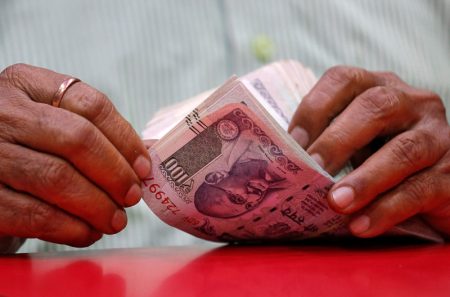



The World Bank’s Cautious Outlook on India’s Economic Horizon
Imagine waking up in a bustling Indian city like Mumbai, where the streets are alive with auto-rickshaws honking their way through crowded lanes, and entrepreneurs are hustling to launch their next big startup. India, often hailed as the world’s fastest-growing major economy, had been riding a wave of optimism with projections of 6.6% GDP growth for the fiscal year 2027 (which runs from April 2026 to March 2027). But according to a recent World Bank report, the winds of uncertainty are blowing stronger than ever, tilting those projections toward a potential slowdown. Written in dry economic jargon, this report is packed with data points and forecasts, but let’s humanize it: picture it as a stern weather report warning of an impending storm, where policies and global events could rain on India’s parade of progress. The report highlights how external shocks—think geopolitical tensions, fluctuating commodity prices, and climate disasters—are converging with internal strains like inflation and supply chain snags. It doesn’t paint a doomsday scenario, but it urges caution, suggesting that India’s growth might dip below that ambitious 6.6% if leaders don’t steer wisely. For everyday folks like Rajesh, a small-scale farmer in Madhya Pradesh grappling with erratic monsoon rains that threaten his crops, this isn’t just about numbers; it’s about whether his family’s next harvest will sustain their dreams of upward mobility. From a global perspective, the World Bank sees India as a bright spot in an otherwise turbulent world economy recovering from recessions and pandemics, yet vulnerable to downside risks that could shave 0.5% to 1% off its growth. The report’s key message? India’s potential is immense, with a young workforce and booming digital innovations, but complacency isn’t an option. As someone engrossed in this narrative, I feel a mix of hope and worry: hope for the transformative potential of initiatives like the National Infrastructure Pipeline, and worry about how global détente in trade wars or unexpected oil price hikes could derail factory operations and job creations. The Bank recommends proactive measures, such as diversifying trade partners and boosting investment in green energy, to buffer against these risks. Digging deeper, the document cites India’s trade exposure as a double-edged sword; while exports to the US and Europe have surged, disruptions in supply chains—like those exacerbated by the US-China trade frictions—could hit hard, especially in sectors reliant on semiconductors and electronics. Domestic factors, too, come into play: rising wage pressures from labor shortages and unaddressed skill gaps could inflate costs, making it tougher for businesses to compete globally. Yet, the human element shines through in stories of resilience—think of the gig workers in tech hubs like Bangalore, pivoting from ride-sharing apps to digital freelancing during lockdowns. If growth falters, it might mean fewer opportunities for the millions entering the workforce annually, perpetuating cycles of inequality. The World’s Bank economists project baseline scenarios with optimistic assumptions about policy reforms, but stress test models reveal probabilities of lower trajectories under stress. For instance, a sudden spike in global interest rates could squeeze India’s borrowing capacity, leading to curtailed public spending on roads and railways that Ravi, a rural contractor, relies on for projects. To counter this, the report advocates for fiscal prudence, urging the government to reduce subsidies and redirect funds toward productivity-enhancing investments. It also praises India’s digital leap with initiatives like Aadhaar and UPI payments, which have democratized finance, enabling micro-entrepreneurs like Smita, a street vendor in Delhi, to manage transactions seamlessly. However, cybersecurity threats and data privacy concerns loom, potentially undermining this trust. In essence, the report isn’t doom and gloom but a call to action: by embracing data-driven policies, India can navigate these choppy waters and perhaps even surpass its targets, fostering an inclusive growth story where prosperity trickles down to every corner of society.
Navigating Global Headwinds: Trade, Geopolitics, and More
Zoom in on the global stage, and India’s economic tightrope walk becomes even more precarious. The World Bank’s analysis underscores how interconnected the world economy has become, with ripples from far-flung events crashing onto Indian shores. Picture this: a geopolitical flare-up between superpowers could jack up energy prices, directly impacting India’s import bills and squeezing household budgets for families like the Patels in Gujarat, who already juggle high electricity costs with their agricultural bills. The report points out that India’s heavy dependence on imported oil (accounting for over 80% of its needs) makes it susceptible to volatility in the Middle East or sanctions-induced spikes, potentially eroding the forecasted 6.6% growth by 0.5 percentage points alone. It’s not just about energy; think of the supply chain snarls from the Russia-Ukraine conflict, which disrupted wheat supplies and echoed in India’s inflation hikes, hitting the poor hardest—urban slum dwellers scraping by on ration shops saw their food costs soar, turning economic theory into personal hardship. Geopolitically, India’s strategic positioning in Asia means it’s both a beneficiary of regional trade pacts like the ASEAN linkages (which have boosted exports of IT services and pharmaceuticals) and a victim of bloc rivalries, such as the US’s decoupling from China, causing redirections that favor Vietnam over Indian garment factories. Anecdotally, consider Anil, an exporter of spices in Kerala, whose revenues dipped during global shipping bottlenecks, illustrating how external uncertainties translate to real layoffs and reduced local wages. The Bank warns that a prolonged high-interest-rate environment in developed nations could trigger capital flight, drying up foreign direct investment (FDI) that fuels India’s manufacturing renaissance—remember the FDI in Gujarat’s auto hubs that employ thousands. Yet, opportunities abound in digital trade: India’s burgeoning fintech sector has attracted billions in investments, creating jobs for a generation of millennials like Priya, a coder in Hyderabad dreaming of Silicon Valley-level success at home. To mitigate these risks, the report suggests India deepen ties with emerging markets in Africa and Latin America, reducing reliance on volatile Western partners. It also highlights the silver lining of climate financing: global pledges for green transitions could funnel aid into India’s renewable efforts, potentially offsetting costs if policymakers prioritize solar and wind initiatives over fossil fuels. For the average Indian, this means preparing for a world where economic nationalism might mean higher tariffs on goods, affecting imported smartphones Durga buys for her children. The Bank’s downside scenario envisages a compounded effect—geopolitical tensions plus climate events could push inflation to 6-7%, choking purchasing power and delaying poverty alleviation targets. Humanizing this, think of Rohan, a business school graduate in Chennai, postponing his startup dreams due to uncertain funding flows. The report’s empirical backing, drawing from historical analogs like the 2008 crisis, predicts a 20-30% chance of severe disruptions, prompting calls for India’s diplomatic agility and domestic buffers like foreign exchange reserves. Ultimately, while the global arena presents formidable challenges, India’s youthful energy and entrepreneurial spirit offer a counter-narrative, much like how Ola and Paytm innovated through pandemic shadows, proving agility in adversity.
Domestic Challenges: Inflation, Infrastructure, and Inequality
Shifting the lens inward, the World Bank’s report dissects India’s homegrown vulnerabilities that could skew its growth path downward from the coveted 6.6% mark. Inflation stands out as a persistent nemesis, fueled by spiraling food and fuel prices that disproportionately affect the most vulnerable. Envision Lakshmi, a daily wage laborer in Tamil Nadu, whose family stretches modest earnings to cover rising dal and rice costs, seeing her children’s school fees become unaffordable luxuries. The Bank attributes this to structural inefficiencies, like fragmented supply chains in agriculture, where post-harvest losses waste 30-40% of produce, and predicts that without reforms like better irrigation and cold storage, inflationary pressures could rise further, shaving up to 0.3% off growth projections for FY27. Infrastructure bottlenecks amplify the pain: India’s vast rural expanse still lags in roads and electricity, hindering productivity. Picture Vijay, a truck driver in Rajasthan, idling for hours at dilapidated highways, his earnings dwindling from delayed deliveries of goods that feed urban stores. The report quantifies this gap, noting that India’s infrastructure investment needs $1.8 trillion by 2040, and warns that fiscal constraints could stall progress, especially if global borrowing costs inch up. Inequality adds another layer; while metropolitan centers boom with tech jobs, rural areas face underinvestment, perpetuating divides that the Bank estimates could undermine long-term growth by stifling human capital development. Take Anil Kumar, a youthful innovator in Bihar’s hinterlands whose app could revolutionize farming, but lacks reliable internet to scale it. Debt sustainability is a growing worry—the report flags India’s public debt at 75% of GDP, urging reforms to avoid crowding out private investment, much like how subsidies for fertilizers drain resources that could build more schools. On the flip side, human stories of triumph abound: the MNREGA scheme has lifted millions from destitution, empowering women like Geeta in Odisha to work in village projects, fostering resilience against economic shocks. The Bank’s data reveals that social protection nets, if expanded, could cushion downside risks, but corruption and leakages threaten their efficacy. Domestic politics also play a role; electoral cycles could delay tough choices like subsidy rationalization, potentially exacerbating populism-driven spending that inflates deficits. Yet, India’s demographic dividend—over 800 million youth—remains a potent asset, as seen in the startup ecosystem where firms like Razorpay enable micro-entrepreneurs. To humanize, consider the joy in families reuniting as migrants return home amid urban uncertainties, highlighting the need for inclusive policies. The report recommends a balanced approach: phasing out inefficient subsidies while ramping up investments in education and healthcare, which could yield compounded returns. For instance, improving women’s workforce participation, currently at 27%, could boost growth by up to 1% if barriers like childcare are addressed. Overall, while domestic hurdles are daunting, India’s track record of bouncing back—from 1991 reforms to COVID-19 recovery—instills faith that proactive governance can turn liabilities into strengths, ensuring the 6.6% target isn’t just a mirage but a reachable milestone.
Real Lives Affected: Stories from India’s Economic Pulse
To truly grasp the World Bank’s cautionary tale on India’s growth risks, let’s step into the shoes of everyday Indians whose livelihoods hang in the balance. The report’s downside projections aren’t abstract percentages—they ripple through communities, turning economic forecasts into tangible fears and hopes. Meet Kiran, a tea stall owner in Kolkata’s bustling bazaar, whose daily earnings have eroded from rising input costs amid inflationary trends. With the World Bank’s warning of potential slowdowns, Kiran worries about affording college for his daughters, dreaming of a future where they become engineers rather than stall attendants. Similarly, in Andhra Pradesh, fisherwomen like Padma brave rough seas for dwindling catches, their boats weathered by neglect and climatic shifts; the report’s emphasis on climate vulnerabilities mirrors their struggles, where delayed monsoons and rising sea levels threaten subsistence, potentially pushing projections below 6%. Rural artisans, crafting intricate textiles in Uttar Pradesh, face export slumps from global trade volatility, embodying the human cost of geopolitical tensions that could clip India’s GDP growth by 0.5-1%. These aren’t isolated tales; they paint a broader canvas where the Bank’s data—showing rural poverty at 15% and urban jobless rates hovering at 8%—translates to millions facing dietary cuts or deferred dreams. On a brighter note, urban professionals like Rohini, a software developer in Bangalore, leverage India’s digital boom to innovate AI tools that could bridge skill gaps, directly addressing the report’s call for upskilling. Yet, for migrants like Shankar, who sent remittances home from Dubai, pandemic-related disruptions amplified vulnerabilities, underscoring how external shocks compound domestic woes. The Bank humanizes its analysis by highlighting sectoral impacts: manufacturing jobs could stall if energy prices soar, leaving workers like those in Gujarat’s textile mills underpaid and overworked. Stories of resilience emerge, like communities in Kerala pooling resources for cooperatives that buffer against inflation, echoing the Bank’s advocacy for inclusive growth. Women, often the backbone of informal economies, stand to gain from policies targeting gender equality, potentially adding 0.8% to growth as per the report’s estimates. Amid these narratives, the 6.6% target feels precarious— a sudden policy misstep could mean Kiran closing his stall, or Padma’s children dropout from school. But hope persists in India’s spirit of jugaad (resourceful innovation), where initiatives like the PM-KISAN cash transfers directly uplift farmers’ lives. The Bank’s report urges empathy-driven reforms, such as expanding social safety nets to cover gig workers, ensuring no one is left behind. For instance, Arjun, a street vendor in Mumbai, survived lockdown lows by joining neighborhood collectives, illustrating grassroots solutions. Ultimately, these personal sagas reveal that economic risks are human risks, calling for policies that prioritize empathy alongside efficiency to safeguard the inclusive progress India aspires to.
Strategies to Mitigate Risks and Propel Growth
The World Bank’s report doesn’t just flag downside risks to India’s 6.6% growth projections; it serves as a roadmap, outlining actionable strategies to fortify the economy against uncertainty. At its core, the document advocates for resilient policymaking, urging India to diversify its economic base beyond vulnerable sectors like agriculture and manufacturing toward a knowledge-driven model. This means investing heavily in education and vocational training, transforming the lives of young learners like Aarav, a student in Bihar striving for coding skills that could land him a tech job amidst automation trends. The Bank quantifies the payoff: every rupee spent on quality education could yield growth dividends of 2-3%, mitigating risks by fostering a skilled workforce resilient to global downturns. Fiscal reforms are paramount—reducing unproductive expenditures on subsidies (which currently gulp 2% of GDP) and channeling funds into productive areas like infrastructure and green tech. Imagine Lakshmi, the earlier wage laborer, benefiting from upgraded village roads that cut commuting time, allowing her to earn more and spend on family nutrition, directly countering inflationary spirals. Trade diversification plays a starring role: the report recommends deepening ties with Africa and Southeast Asia, reducing China’s supply chain dominance and buffering against US-Chinese rifts. Anecdotally, exporters in Gujarat’s chemical hubs could pivot to African markets, boosting revenues as global tensions ease, potentially adding 0.5% to growth trajectories. On the monetary front, the Reserve Bank of India’s (RBI) independence is hailed, with calls for cautious policy rates to cool inflation without stifling investment—crucial for entrepreneurs like Sneha in Delhi scaling her e-commerce venture. Climate resilience is interwoven: phasing in renewables could save billions in import costs while attracting global financing, uplifting farmers like those in Karnataka adopting drip irrigation against erratic weather. The Bank’s downside mitigation goes social, emphasizing universal basic income pilots or expanded healthcare to protect the bottom 50% from shocks, as seen in India’s COVID relief that prevented a deeper recession. Data-driven governance is key—leveraging AI for predictive analytics could preempt disruptions, much like how Aadhaar streamlined welfare impact. Humanizing success stories, the report cites PM Awas Yojana’s housing push, which not only boosted construction jobs but also empowered families like the Sharmas with stable homes. Collectively, these steps aim to keep growth on track, transforming risks into opportunities. With India’s proven adaptability—from liberalization in the 1990s to digital reforms post-2010—the Bank projects a realistic pathway to the 6.6% target, contingent on swift implementation. For policymakers, it’s a litmus test of commitment to equitable prosperity, ensuring stories of climb like Aarav’s become the norm, not outliers.
Looking Ahead: Balancing Optimism with Vigilance
As we wrap up this exploration of the World Bank’s insights into India’s economic future, it’s clear that the 6.6% growth target for FY27 is ambitious yet attainable, but only through vigilant navigation of skewed downside risks. The report paints India as a dynamic force in a volatile world, with its youthful vigor and innovative spirit poised to overcome hurdles like geopolitical tensions, inflation, and infrastructure gaps. Yet, humanizing this narrative reminds us that behind the projections are real aspirations—families like Kiran’s in Kolkata battling uncertainties, or Padma’s in Andhra facing climactic woes, whose fortunes hinge on effectual reforms. The Bank’s cautionary tone isn’t defeatist; it’s a pragmatic guide, urging diversification, fiscal discipline, and inclusive policies to cushion shocks. Imagine a future where India’s GDP growth not only meets but exceeds expectations, lifting millions from poverty through jobs in biotech and renewables, fostering stories of empowerment akin to Arjun’s vending ventures or Rohini’s tech endeavors. Global partnerships, domestic resilience, and green transitions could shield the economy, ensuring the downside remains mild. For India, this means embracing change with the urgency of a nation transforming—reducing dependencies, investing in human capital, and innovating boldly. In my reflections, the report evokes optimism: India’s phoenix-like recoveries from past crises signal untapped potential. As everyday citizens, we can contribute by demanding accountability and supporting grassroots innovations. Ultimately, safeguarding the 6.6% projection requires a collective commitment to balanced growth, where risks are not roadblocks but stepping stones toward a prosperous, equitable India. With proactive stewardship, the World Bank’s warnings could herald a brighter chapter, turning economic forecasts into shared triumphs for generations to come. This is the human essence of India’s growth story—a blend of hope, hard work, and adaptability that extends beyond numbers to nourish lives.