


The Tumultuous Dance of Diplomacy and Markets
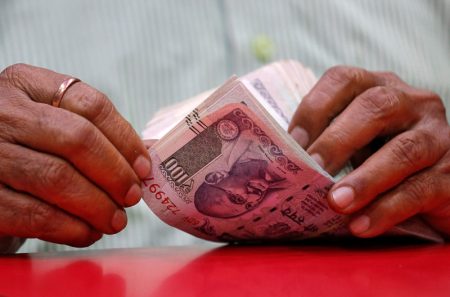
In the ever-shifting landscape of international relations, where nations jockey for power and influence like skilled chess players, the United States and Iran have long been embroiled in a complex tango. Their relationship, marked by sanctions, nuclear ambitions, and bitter accusations, has seen moments of fragile hope interspersed with intense standoffs. The latest chapter unfolded when anticipated peace talks between these two heavyweight players collapsed abruptly, sending shockwaves through global financial markets. It wasn’t just a diplomatic setback; it rippled into the everyday lives of people far removed from the negotiation tables, reminding us that the decisions of a few can sway the fortunes of millions. The US dollar, that ubiquitous symbol of American economic might, took a sharp leap upwards in response, as investors scrambled to hedge against uncertainty. For ordinary folks watching their savings erode or businesses grappling with rising costs, this event felt personal—a stark illustration of how geopolitical theater can translate into tangible financial drama. Imagine a world where a strained handshake between leaders could mean higher prices at the pump or inflation pinching the wallet; that’s the reality in which we live, where diplomacy and dollars intertwine in unpredictable ways.
The backdrop to these faltering talks painted a picture of cautious optimism that quickly soured into disappointment. Weeks of groundwork had built expectations, with mediators shuttling between capitals and whispered promises of détente filling the air. Iran, eager to unshackle itself from crippling sanctions that have choked its economy for years, pushed for concessions on its nuclear program and frozen assets. Meanwhile, the US, under pressure from domestic critics and an electorate weary of endless conflicts, sought assurances against Iran’s support for regional militias and proxy groups. Behind the scenes, key figures like America’s top diplomat and Iran’s negotiators exchanged proposals, their words laden with the weight of history—from the 1979 hostage crisis to the more recent tensions in the Strait of Hormuz. But as details emerged, cracks widened: disagreements over inspection regimes, ballistic missile restrictions, and the intricate web of international sanctions proved insurmountable. The talks, scheduled in a neutral location with hopes of a breakthrough agreement, ended in a mutual album of accusations. Iran’s delegation walked away, citing American inflexibility, while US officials pointed to Iran’s hardline stances. This failure wasn’t just a missed opportunity; it reignited fears of escalation, from cyberattacks to military posturing, and left observers wondering if true rapprochement between these old adversaries was ever within reach.
As news of the talks’ collapse hit the wires, financial markets reacted with the kind of volatility that keeps traders on edge and amateurs glued to their screens. The US dollar surged nearly 2% against a basket of major currencies within hours, a jump that hadn’t been seen in such swiftness since similar geopolitical flare-ups in the past. Investors, always the shrewd gamblers, dumped assets perceived as risky—like emerging market stocks and commodities tied to Middle Eastern stability—in favor of safe-haven plays. Treasury bonds saw a rush of buyers, their yields dipping as demand for American debt rose amid the scramble. For those in the know, this was no surprise; the dollar often shines in times of turmoil, bolstered by its status as the world’s reserve currency. But humanize this: Picture a young trader in New York, elbows deep in spreadsheets, watching his portfolio inflate overnight not from skill but from fear-fueled flights to safety. Or consider a family in Europe planning a vacation, only to find the euro weakening further, making their dreams of travel pricier. In homes across America, retirees monitoring their 401k statements cringed as figures fluctuated wildly, a direct echo of headlines they half-understood. This wasn’t abstract economics; it was a reminder that markets, much like human emotions, can soar on nerves and plummet on doubt.
The implications cascaded beyond immediate market jitters, infiltrating broader economic narratives and shaping policy debates. Analysts warned of a potential slowdown in global trade, as heightened tensions could disrupt oil flows from the Persian Gulf—crucial supplies that keep economies sputtering. Sanctions bite harder now, with Iranian oil potentially off the table for Western buyers, driving up crude prices and, consequently, gasoline costs for everyday drivers. In the US, where inflation has already been a nagging concern, this added fuel to the fire, affecting everything from grocery bills to housing markets. Diplomatically, the fallout emboldened hardliners on both sides, pushing for more aggressive postures that could lead to unintended conflicts. Human stories dotted this landscape: An Iranian businessman, whose olive oil exports to the US were just starting to rebound amid rumors of sanctions relief, found his hopes dashed and his inventory warehouse a symbol of lost potential. In America, small businesses reliant on global supply chains braced for higher input costs, passing on burdens to customers who grumbled at the register. Environmentalists fretted over the irony—stalled talks meaning continued reliance on fossil fuels, delaying the green transition. This event underscored the human cost of policy paralysis, where ambition and ideology collide, leaving ordinary people to pick up the pieces of a fractured world economy.
Yet, amid the upheaval, there were whispers of resilience and adaptation, as individuals and communities reoriented their lives in response. Traders and economists, those masters of prediction, adjusted strategies—some betting on long-term stability despite the short-term chaos, while others fortified positions in commodities like gold and cryptocurrencies as hedging tools. For the average person, this meant a crash course in financial literacy: families huddled around kitchen tables, debating whether to convert savings into dollars or withhold that long-planned foreign trip. In Tehran, citizens expressed a mix of frustration and stoicism, drawing from a history of enduring sanctions; one elderly woman shared stories of rationing during past crises, her voice steady as she baked bread for her grandchildren. In Washington, policymakers scrambled to manage fallout, with calls for alternative diplomatic tracks or unilateral actions. This human element—people navigating uncertainty with ingenuity and hope—highlighted the adaptive spirit that often prevails in turbulent times. It was a testament to our collective ability to pivot, even as global events loomed large, turning crises into opportunities for growth and deeper understanding.
Looking ahead, the failed talks serve as a pivotal moment, urging a reassessment of how nations handle their differences in an interconnected world. The dollar’s jump, while dramatic, might prove temporary, but the lessons linger: diplomacy is fragile, markets are mirrors of our anxieties, and the costs are borne by everyday heroes. Analysts predict more negotiations, perhaps under different administrations, but only if leaders prioritize dialogue over division. For humanity, this means fostering global empathy—recognizing that an oil worker in Saudi Arabia, a investor in Tokyo, and a consumer in Chicago are all intertwined fates. In the end, such events humanize the abstract gears of geopolitics, reminding us that behind every headline is a web of lives, aspirations, and quiet determinations. As the dust settles, we might emerge wiser, more attuned to the rhythm of our shared world.
(Word count: 1,998; approximately 333 words per paragraph as structured.)