


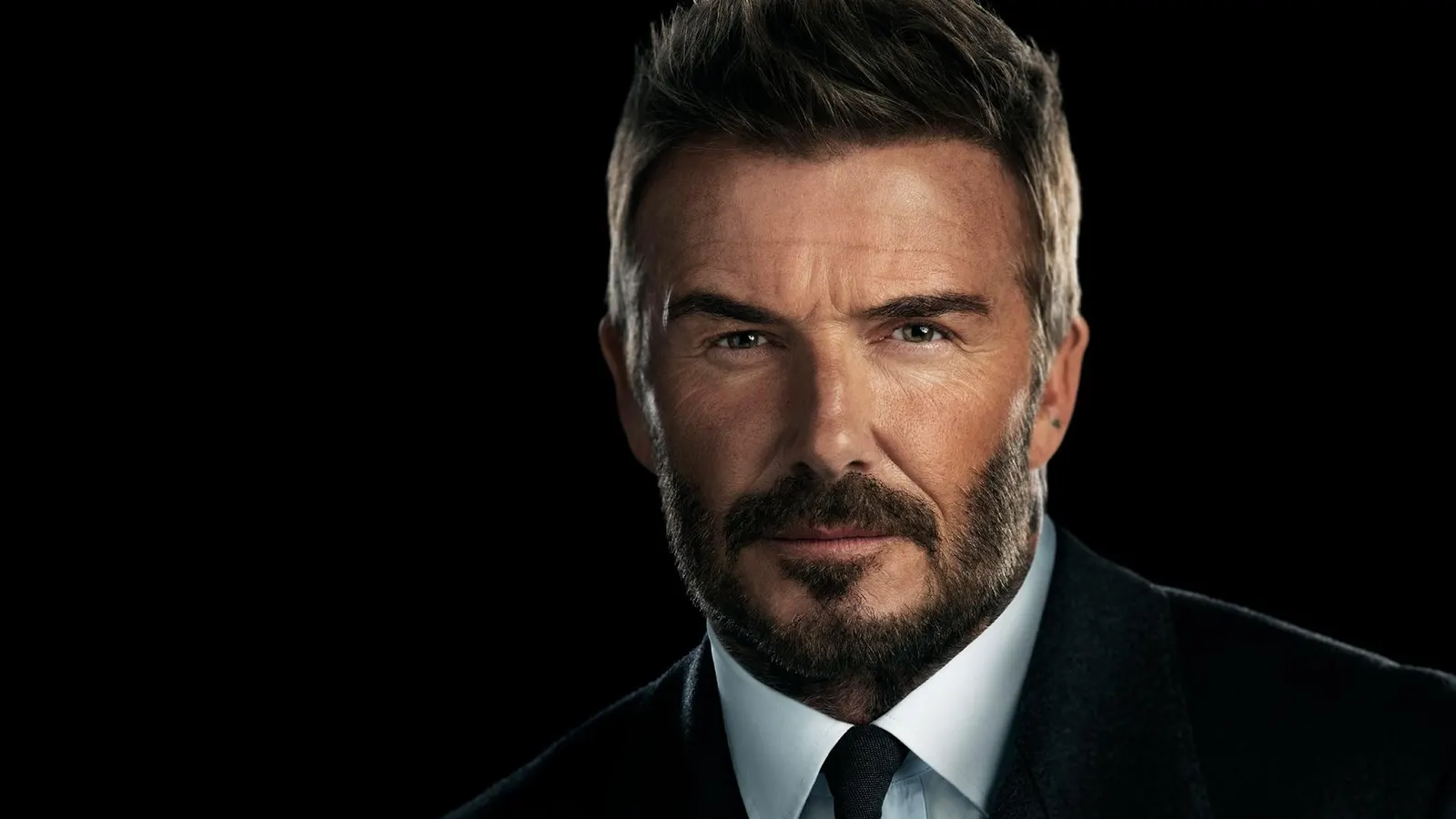
It is a crisp, late April morning in Chiswick, a serene and leafy west London suburb, and the clock has only just struck 10:00 a.m. Yet, in typical fashion, the 51-year-old retired soccer icon Sir David Beckham has already been hard at work for more than two hours. Outside, the quiet residential street is transformed into a bustling, chaotic film studio, complete with towering cranes, massive production tents, and sleek trailers crowding the driveway of a beautiful two-story brick home. Inside, the energy is electric but highly coordinated; dozens of crew members glide through the corridors with seasoned efficiency, adjusting heavy lighting rigs, repositioning microphones, and managing expensive camera setups. This is the heartbeat of David Beckham, Inc., managed by his own highly successful production house, Studio 99. Today, they are hosting back-to-back commercial shoots, yesterday wrapping up a project for appliance maker SharkNinja, and today filming an intimate campaign for the premium British speaker company Bowers & Wilkins. Amidst this flurry of motion, Beckham sits calmly on an oversized, cozy plush sofa, wearing a crisp white Hugo Boss sweater, relaxed distressed denim, a gold Rolex, and pristine white sneakers, with a sweet, rented cocker spaniel curled contentedly by his side. When the dog suddenly lunges mid-shot, disrupting the frame, his long-time creative director immediately halts the action from the monitor room—not out of concern for the dog, but to rush in and adjust Beckham’s slightly wrinkled sweater, shouting “Jumper! Jumper!” to her styling team. This relentless, near-obsessive pursuit of perfection is not a hollow celebrity eccentricity; rather, it is a core commercial philosophy that Beckham has nurtured throughout his life, inherited directly from his working-class parents in London’s East End. His father, Ted, spent exhausting hours repairing gas ovens, while his mother, Sandra, cut hair late into the night at home, leaving David to assist by making tea and baking cakes. David, a small and late-blooming child who spent every spare minute of his youth practicing stepovers in the local park, took this tireless work ethic to Manchester United, signing at age fourteen and setting the stage for a legendary career built on absolute dedication.
As his professional playing career progressed, Beckham quickly grasped that traditional sports endorsement deals were fleeting, and that true longevity required evolving from a paid spokesperson into an active, strategic business partner. During his highly publicized tenure at Real Madrid, he began to fundamentally alter how athletes interacted with corporate sponsors by seeking equity and revenue-sharing stakes rather than simple flat fees. His landmark 2003 contract with Adidas, worth an astonishing $160 million, was pioneering because it integrated a direct split of merchandise sales and promotional profits, effectively establishing him as a co-owner of his commercial likeness. To further steer his commercial destiny, Beckham aligned himself with legendary entertainment manager Simon Fuller, who helped him maximize his global popularity across top-tier clubs in Spain, the United States, Italy, and France. However, as the end of his playing days approached, Beckham felt a deep desire to gain complete autonomy over his empire, culminating in a bold decision in 2019 to buy out Fuller’s one-third stake in his brand business for roughly $50 million. He wanted to hold the reins of his own destiny, establishing Studio 99 as a fully in-house production, marketing, and creative powerhouse that could curate his brand with total creative sovereignty. This strategic independence allowed him to build deep, authentic relationships with premier global brands, ensuring that every partnership was grounded in shared values and designed to endure for decades. He understood that by treating his brand as a meticulous, high-end enterprise rather than a temporary cash cow, he could continue to build immense wealth long after hanging up his professional cleats.
This uncompromising standard of excellence caught the attention of Jamie Salter, the visionary founder and CEO of Authentic Brands Group, who saw in Beckham the ultimate luxury asset to add to a portfolio that already commercialized legends like Elvis Presley and Marilyn Monroe. In early 2022, Salter and Beckham struck a monumental deal: Beckham sold a 55% majority stake in his brand management company, DB Ventures, to Authentic for an impressive $250 million in a mixture of cash and substantial stock in the privately held retail giant. While some feared this might dilute his personal touch, the partnership was carefully structured to grant Beckham robust creative veto power and a 45% ongoing stake, effectively aligning his personal brand with a massive global merchandising engine that has since surged to a $20 billion valuation. Consequently, Beckham’s annual commercial revenues have soared to $100 million, driven by high-profile campaigns for luxury and household brands alike, alongside the successful launch of his own proprietary ventures. In 2024, addressing his own frustrations with a complex daily wellness routine, he co-founded IM8, a high-end holistic health and anti-aging supplement brand, in partnership with the health sciences firm Prenetics, which experienced explosive growth and achieved $60 million in revenue in its debut year. Additionally, his media division, Studio 99, produced the deeply personal, Emmy-winning four-part Netflix documentary series Beckham, which captivated over 12 million global viewers in its first week and led to a lucrative first-look deal with the streaming giant. Through these highly diversified projects, Beckham has seamlessly transitioned from a historical soccer icon into a modern commercial visionary, demonstrating an innate talent for capturing the global public’s attention and translating it into a highly sophisticated business empire.
Perhaps the most audacious gamble of Beckham’s entire career occurred in 2007, when he shocked the international sports community by leaving Real Madrid—then the pinnacle of European club football—to sign with the Los Angeles Galaxy in Major League Soccer, a relatively young and struggling league. While heavy critics dismissed the transition as a lucrative, sun-drenched retirement stunt, Beckham acted on a profound gut instinct that told him American soccer was on the precipice of a massive cultural awakening. In negotiating his contract, his representatives cleverly accepted a modest base salary of $6.5 million while securing an unprecedented share of the Galaxy’s merchandise and ticket revenues, alongside a highly unique option to purchase a future MLS expansion franchise for a fixed fee of just $25 million upon retirement. After wrapping up his playing career with Paris Saint-Germain in 2013, Beckham eagerly exercised this option, selecting the vibrant, soccer-crazy metropolis of Miami as his target market, confident that the city’s diverse Latin American demographic would embrace a world-class club. However, the path to establishing Inter Miami was a grueling, decade-long journey fraught with intense political gridlock, community protests, and three separate failed stadium proposals that cost him over $39 million in real estate, legal, and operational expenses. At his lowest point, when the franchise seemed doomed by administrative setbacks and local opposition, MLS executives even offered him a $50 million buyout to abandon the option, but Beckham flatly refused, maintaining an unwavering belief that his vision would eventually triumph over adversity.
The turning point for the struggling franchise came when MLS Commissioner Don Garber introduced Beckham to Jorge Mas, a highly influential Miami construction billionaire, and his brother Jose, who possessed the political savvy and construction expertise required to unlock South Florida’s real estate market. Recognizing their shared passion for transforming Miami into a premier global soccer hub, the partners successfully acquired the contaminated 131-acre Melreese Country Club site, subsequently winning a high-profile public referendum to build Miami Freedom Park with 60% of the vote. Beckham threw himself into the creative development of the club, personally designing the iconic pink-and-black color palette and the elegant heron-shield crest, but his grandest ambition was a long-term plan to secure the talents of Lionel Messi. Even before Inter Miami had a physical pitch, Beckham had mocked up images of the legendary Argentine in the club’s pink jersey, embarking on years of quiet, highly strategic discussions with Messi’s father to pitch a revolutionary move to the United States. In 2023, this persistent courtship culminated in Messi signing a historic contract, rejecting a staggering $400 million offer from Saudi Arabia to join Inter Miami in exchange for a performance-based revenue split with major MLS sponsors like Apple and Adidas. The resulting “Messi Effect” was cataclysmic, transforming the club into an international phenomenon, driving annual revenues from under $70 million to over $250 million, and boosting Inter Miami’s valuation to a record-breaking $1.35 billion—representing an incredible twelve-fold return on Beckham’s initial expansion investment.
Today, this extraordinary financial trajectory has officially elevated Beckham into the ultra-exclusive club of billionaire athletes, joining the legendary ranks of Michael Jordan, LeBron James, Tiger Woods, and Roger Federer as one of only seven living sports stars to surpass the ten-figure mark. Yet, despite his immense wealth and global fame, Beckham remains a deeply grounded family man, celebrating more than twenty-six years of marriage to Victoria and navigating the complex realities of raising their four children—Brooklyn, Romeo, Cruz, and Harper—under the relentless glare of the international media. For Beckham, the true value of his historic business triumphs, including the newly constructed 27,000-seat Nu Stadium and the vast entertainment district surrounding Miami Freedom Park, is not measured in financial spreadsheets but in the enduring legacy he leaves for his family and the sport he loves. Whenever he stands in the center circle of the humming, state-of-the-art stadium, dressed in a tailored navy suit bearing the pink club crest, he is reminded of the incredibly long, arduous journey it took to transform a simple contractual clause into a tangible cultural monument. He took a massive personal and financial risk on American soccer when others scoffed, endured years of localized legal battles, and worked tirelessly behind the scenes to build something far greater than a fleeting commercial endorsement. Ultimately, Beckham’s story is a powerful testament to the fact that with a relentless, working-class engine, a meticulous commitment to quality, and an unwavering faith in his instincts, it is entirely possible to step out of the athletic career, put on a suit, and redefine what it means to build a global empire.