





Here is a humanized and expanded summary of the situation, structured into six detailed paragraphs to capture the full political and social context.
The Unwanted Endorsement
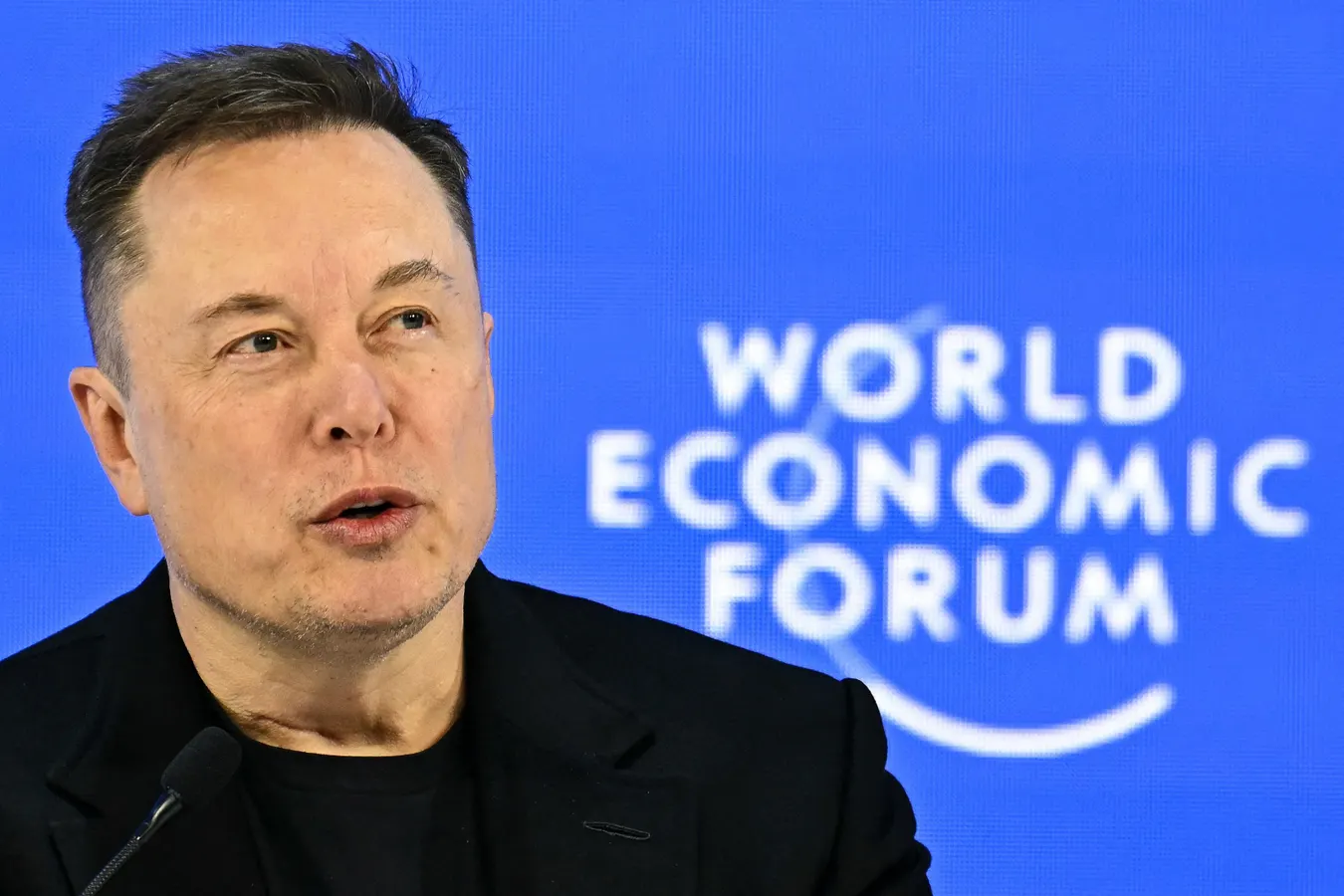
In the high-stakes arena of French politics, an unexpected endorsement from the world’s richest man has triggered a wave of discomfort rather than celebration. Billionaire Elon Musk recently took to his social media platform, X (formerly Twitter), to declare Marine Le Pen—the prominent leader of France’s far-right National Rally party—as “France’s last hope” ahead of next year’s presidential election. However, instead of embracing this high-profile backing, National Rally quickly moved to distance itself from the tech mogul. Party spokesperson Laurent Jacobelli publicly clarified that the party does not seek international endorsements, emphasizing that the only opinions that truly matter are those of the French electorate. This polite rebuff highlights a strategic calculation by the National Rally to protect its nationalist image, recognizing that alignment with a controversial American billionaire could alienate the very working-class French voters they aim to win over.
Outcry Over Foreign Interference
Musk’s public alignment with Le Pen instantly ignited a fierce backlash across the French political spectrum, with leaders uniting to condemn what they view as blatant digital sovereignty infringement. French Foreign Minister Jean-Noël Barrot publicly urged Musk to reconsider his stance, while left-wing parliamentarian Antoine Léaument went further, labeling the post as direct “foreign interference” and calling on regulatory bodies to intervene before social media algorithms could manipulate the upcoming election. Adding to the gravity of the criticism, Thierry Breton, the former European Commissioner and French economy minister, warned that Musk’s personal endorsement carries systemic risks. Breton suggested that X’s proprietary algorithm could be subtly adjusted to favor Le Pen’s campaign, raising urgent questions about how private tech monopolies can quietly tilt the playing field of democratic elections.
A Sour Relationship with the Tech Mogul
The controversy unfolds against a backdrop of deeply soured relations between Elon Musk and the French establishment. While Musk still enjoys a niche following among France’s tech entrepreneurs and free-market enthusiasts, the broader French public and media landscape have grown increasingly hostile toward him. President Emmanuel Macron, alongside other European heads of state, has repeatedly criticized Musk for using his vast wealth and media empire to disrupt European political discourse. France has historically championed strict regulatory frameworks for digital spaces, leading aggressive European investigations into X regarding algorithmic bias, lax content moderation, data privacy violations, and the spread of hate speech. Musk has routinely dismissed these regulatory efforts as politically motivated censorship, fostering a mutual distrust that makes his endorsement of Le Pen highly radioactive in mainstream French society.
A Pattern of Far-Right Alignment
This is far from the first time Musk has inserted himself into European politics, as his digital footprint reveals a consistent pattern of elevating right-wing and nationalist movements across the continent. Beyond his endorsement of Le Pen, Musk has previously voiced support for Germany’s far-right Alternative for Germany (AfD) party and Rupert Lowe’s Restore Britain party. He has also faced intense criticism for using his personal account to amplify controversial far-right British figures, including anti-Islam activist Tommy Robinson and Ashlea Simon, the co-founder of the white supremacist group Britain First. This pattern of behavior has drawn sharp bipartisan rebukes from European leaders; former German Chancellor Olaf Scholz labeled Musk’s meddling in German affairs as “completely unacceptable,” a sentiment echoed by Germany’s current center-right Chancellor Friedrich Merz.
The Power of Unprecedented Wealth
The weight of Musk’s political interference is amplified by his staggering, unprecedented financial influence. Having recently crossed the threshold to become the world’s very first trillionaire—spurred primarily by taking his aerospace company SpaceX public—Musk’s net worth is currently estimated at a colossal $855.6 billion. This level of wealth grants him a unique form of geopolitical agency that rivals sovereign nation-states. In Europe, where campaign finance laws are strictly regulated to prevent wealthy individuals from buying political influence, Musk’s ability to sway millions of voters instantly through a single post on a platform he owns represents a loophole that European regulators are scrambling to close, fearing that traditional democratic debates are being overshadowed by the whims of a single foreign oligarch.
Navigating the Digital Sovereignty Frontier
Ultimately, the clash over Musk’s endorsement of Le Pen underscores a much larger, systemic struggle between democratic nations and the unchecked power of global tech giants. As France prepares for a pivotal presidential election, the incident serves as a stark warning about the vulnerability of modern democracies to algorithmic influence. For National Rally, rejecting Musk is a necessary step to maintain their “homegrown” narrative and protect themselves from accusations of being puppets of foreign tech interests. For the rest of Europe, the episode reinforces the urgent need for robust digital sovereignty laws, proving that in the digital age, defending a nation’s democratic integrity requires regulating not just domestic political actors, but the very algorithms that shape public reality.