




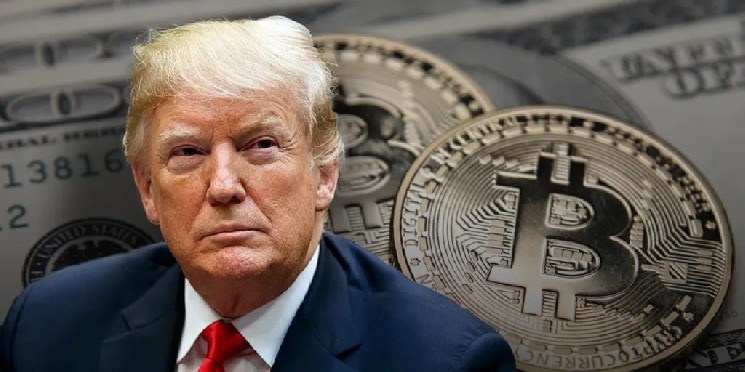
Trump’s Volatile Dance with Bitcoin: From Skepticism to Market Mover
In the ever-turbulent world of cryptocurrency, few figures have wielded as much influence as former President Donald Trump. Known for his unfiltered statements and a penchant for shaking up markets, Trump has evolved from a vocal critic of Bitcoin and digital currencies into a fervent advocate, even venturing into launching his own altcoin. This transformation hasn’t just been rhetorical; his posts on Truth Social and elsewhere have repeatedly sent shockwaves through the crypto space, turning Bitcoin—often symbolized as $BTC—into a barometer of his fluctuating policy stances. As the cryptocurrency market grapples with volatility, Trump’s actions highlight how celebrity endorsements and political rhetoric can intertwine with financial tides, creating ripples that even seasoned investors struggle to navigate.
But how exactly has Trump’s relationship with Bitcoin shaped its trajectory? Reports from CoinDesk reveal that his social media announcements and statements have directly impacted the price of the world’s most prominent cryptocurrency at least five times, blending presidential authority with the speculative nature of digital assets. These incidents span from his early presidency to hypothetical events in the near future, illustrating a pattern where Trump’s words act like catalysts in an already explosive market. While some might dismiss this as mere coincidence, crypto analysts argue that Trump’s public stance—often amplified by his massive follower base—can amplify market swings, drawing parallels to how celebrities like Elon Musk have rocked the sector with tweets. This dynamic underscores the maturing yet fragile nature of cryptocurrencies, where geopolitical talks and personal endorsements can override traditional supply-demand economics.
Diving back to 2019, Trump’s initial foray into cryptocurrency commentary was anything but supportive. On July 11 of that year, amid growing discussions about digital currencies’ role in the economy, Trump took to Twitter to voice his reservations. He declared bluntly that he wasn’t a fan of Bitcoin or other cryptocurrencies, labeling them as not “real money” due to their high volatility. This stark criticism wasn’t just a passing remark; within minutes of the tweet hitting timelines, Bitcoin’s price dipped by 7%, a clear demonstration of how Trump’s voice, even before his 2024 election victory, could sway market sentiment. At the time, the crypto market was still niche, viewed by many as a playground for tech enthusiasts rather than serious investors. Yet, Trump’s dismissal came at a sensitive moment, feeding into fears of regulatory crackdowns and casting a shadow over an industry already battling perceptions of instability. This episode marked an early chapter in Trump’s crypto saga, showing that even skepticism from a public figure as influential as him could trigger sell-offs, especially on platforms like CoinDesk where such events are closely monitored.
Fast-forwarding to 2025, a pivotal shift occurred in Trump’s approach, signaling a warmer embrace of the crypto world. By March, he had shed his earlier criticism and began championing the space, announcing via Truth Social that the U.S. government would strategically acquire and hold Bitcoin. This bold policy pivot was unprecedented, positioning the federal treasury as a player in the volatile crypto market. Not surprisingly, the news sent Bitcoin soaring by 8% within 24 hours, buoying the entire altcoin ecosystem as investors anticipated a new era of crypto integration into national finances. It was a far cry from his 2019 stance, reflecting broader economic pressures and perhaps a recognition of cryptocurrency’s growing cultural clout. However, this honeymoon period was short-lived. Just months later, in October 2025, as trade tensions escalated, Trump unveiled a game-changing tariff policy: a 100% duty on all Chinese imports. Posted on Truth Social, the announcement ignited fears of global economic backlash, and Bitcoin bore the brunt, plunging by over 12% in about two hours—a historic single-day drop that cascaded through altcoins and shook investor confidence. This juxtaposition of crypto endorsement followed by trade warfare illustrated the delicate balance Trump navigated, where support for one policy could undermine another, leaving markets whipsawed.
Building on this volatility, 2026 brought even more dramatic twists in Trump’s crypto narrative. In March of that year, he turned his ire toward Wall Street, accusing financial institutions of sabotaging the GENIUS Act—a proposed stablecoin regulatory framework—and delaying the CLARITY Act, a sweeping legislative package aimed at clarifying crypto rules. His Truth Social post highlighted tensions over stablecoin interest rates, painting banks as barriers to innovation. The response was swift: Bitcoin jumped 5% in mere minutes, as market participants cheered what they saw as a potential regulatory green light. This incident underscored the power of perceived policy wins in the crypto space, where even accusations can spark optimism amid ongoing debates about how to balance innovation with stability. Then, in April, as the shadow of the U.S.-Iran conflict loomed large, Trump posted breaking news of peace talks with Iran, signaling high hopes for diplomatic resolution. In an era rife with international uncertainties, this glimmer of detente propelled Bitcoin upward by 6% almost instantly, reinforcing how geopolitical developments intersect with crypto pricing. These later events reveal Trump’s deepening entanglement with digital assets, transforming him from a skeptic to a key influencer whose rhetoric often dictates short-term market fates.
Reflecting on this rollercoaster journey, Trump’s evolving stance on Bitcoin reveals much about the interplay between politics, social media, and financial markets. What began as pointed criticism has morphed into strategic maneuvering, with his posts consistently amplifying price movements—sometimes up, sometimes down—highlighting cryptocurrency’s susceptibility to external forces. Analysts note that while these impacts are real, they also underscore the risks of over-relying on celebrity or political whims in investing, as markets remain unpredictable. As we stand on the cusp of potentially regulated crypto frameworks like the ones Trump referenced, the lesson is clear: in the world of $BTC and beyond, Trump’s influence serves as a stark reminder that public figures can sway fortunes as swiftly as global events. Nevertheless, it’s crucial to remember that none of this constitutes investment advice; the crypto landscape demands careful, informed decisions amid its inherent instabilities. Whether Trump’s legacy in crypto paves the way for broader adoption or ushers in more volatility remains to be seen, but his footprint is indelibly etched in the digital ledger of financial history.