


Crypto’s Quiet Revolution: From Volatile Asset to Financial Backbone
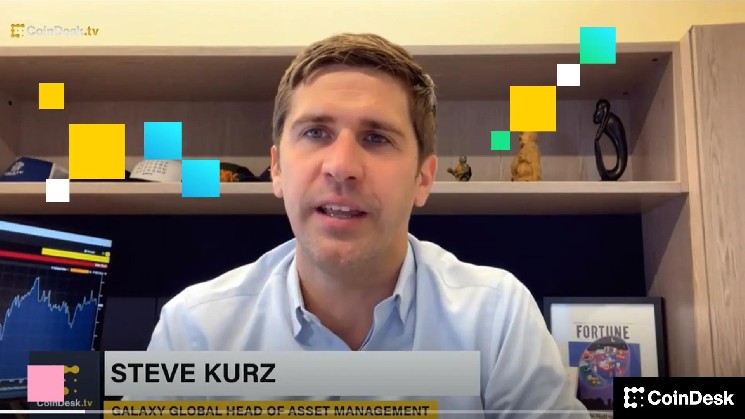
In the ever-evolving world of finance, where innovation often outpaces reality, cryptocurrency is shedding its reputation as a speculative bubble and emerging as a foundational element of global monetary systems. Steve Kurz, the global head of asset management and co-head of digital assets at Galaxy Digital (GLXY), encapsulates this shift in his firm’s 2026 investment outlook, titled “The Great Convergence.” During a candid interview with CoinDesk, Kurz painted a picture of a market not mired in chaos, but one undergoing a profound transformation. Founded in 2018 by industry veteran Michael Novogratz, Galaxy Digital acts as a pivotal conduit between the stodgy world of traditional banks and the dynamic cryptocurrency ecosystem, offering everything from custodial services to infrastructure solutions. As Kurz explained, “Crypto is no longer just an asset class—it’s becoming an ever-more critical part of financial infrastructure.” This isn’t hype; it’s a pragmatic roadmap that balances immediate challenges with long-term optimism, urging investors to see beyond price swings to the structural changes underway.
Navigating Overlapping Cycles in a Maturing Market
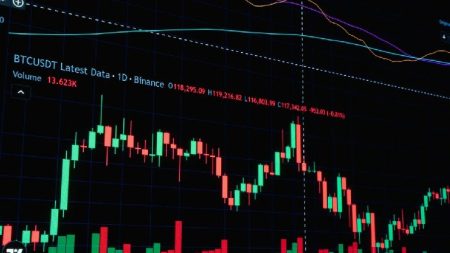
Kurz describes the current cryptocurrency landscape as a convoluted tangle of overlapping cycles, where market retracements feel counterintuitive against a backdrop of progress. Token prices have indeed tumbled, dipping below the levels where many groundbreaking developments—like institutional adoptions and technological integrations—previously unfolded. “It’s pretty hard not to scratch your head at the disconnect,” he admitted, highlighting how liquidity crises and over-leveraged positions have driven recent volatility. Unlike the 2022 meltdown, which exposed raw vulnerabilities in an immature ecosystem, today’s pullback seems more like a natural correction. Picture a runner hitting a wall after a sprint; the crypto market is purging excess via deleveraging, fortified now by robust risk management tools and sophisticated financial instruments. As onchain activity begins to rebound, Kurz anticipates that price appreciation will follow, not lead. He’s cautious about further downside risks, but believes the worst might already be behind us, favoring a phase of consolidation before a steadier upward trajectory in the latter half of 2026. This cycle, in his view, isn’t a reckoning but a refining process, setting the stage for a more resilient blockchain economy.
Crypto Climbs the Wall Street Dashboard: Maturity Meets Integration
At the heart of Kurz’s thesis lies crypto’s seamless integration into Wall Street’s core mechanisms, elevating it from a niche curiosity to a contender on the global asset stage. With burgeoning links to traditional finance—think direct connections through stablecoins, tokenized securities, and compliance-friendly platforms—digital assets now vie for capital alongside established powerhouses like gold or cutting-edge sectors such as quantum computing. This broadened exposure, however, raises the stakes. Investors demand more than moonshots; they seek stability, returns, and alignment with conventional portfolios. Kurz sees this as a hallmark of maturity rather than a setback. Public blockchains are gaining recognition as enterprise-grade infrastructure, while the tentacles of crypto—through payments reform and market restructuring—are infiltrating trading floors and banking halls alike. It’s what he terms a “bull market in plumbing,” where the unseen architectures of custody, compliance, and interoperability form the bedrock for lasting value. Short-term price lags might disappoint traders, but Kurz emphasizes that these infrastructural gains are the quiet engines powering long-term adoption, transforming crypto from a wildcard into a dependable ally in the financial ecosystem.
Blending Assets and Tech: The Engine of an Onchain Economy
The real magic of “The Great Convergence,” according to Kurz, unfolds in the symbiotic fusion of cryptocurrency as an investable asset class with its underlying technology stack—a synthesis that’s birthing a more expansive, resilient digital economy. Galaxy Digital remains steadfastly crypto-centric, betting on the enduring bridge between advanced infrastructure and capital markets. This isn’t a fleeting trend or a “buy the dip” gamble; it’s a multiyear metamorphosis reshaping how wealth is created, transferred, and stored. Imagine the onchain world as a vast, interconnected cityscape: roads (infrastructure) connect towers (assets), enabling commerce that was once fragmented. Kurz points to how tokenized assets are revolutionizing everything from real estate deals to global remittances, making blockchain far more than a ledger—it’s a participatory platform for innovation. Galaxy’s approach is holistic, encompassing mining operations, trading desks, and consumer products that democratize access. In this narrative, the convergence isn’t just happening; it’s accelerating, promising a future where crypto’s technological prowess amplifies its financial allure, creating opportunities that blend speculative potential with utilitarian strength.
Weighing Risks, Sentiment, and Strategic Edges in Turbulent Times
Kurz is unflappable in his assessment of market sentiment, noting a jarring gap between plummeting prices and thriving business fundamentals—particularly in infrastructure development. While fearmongers warn of existential threats like quantum computing undermining encryption, he shrugs them off as overhyped. More insidious, he argues, is the peril of indifference; if crypto fades from the broader market dialogue, it risks irrelevance amid the clamor of volatility. Bitcoin, that perennial barometer, often signals macroeconomic shifts before they ripple outward, acting as a “canary in the coal mine” for risk appetite. Having navigated its highs and lows for years, Kurz views Bitcoin through a cyclical lens, increasingly intertwined with global liquidity flows rather than isolated in its own bubble. This seasoned perspective informs Galaxy’s resilience, with the firm boasting $12 billion in assets under management at year’s end. On the infrastructure front, they’re expanding roles—from powering bank integrations to fintech partnerships—while asset management sees new ventures like a hedge fund tailored for high-net-worth individuals. Institutional clients, from pension funds to sovereign wealth entities, are ramping up allocations, seeing through the consolidation to the convergence’s promise, winning Galaxy fresh mandates amidst the muddle.
Embracing the Convergence: Galaxy’s Vision for Crypto’s Future
Ultimately, Kurz positions Galaxy Digital as the orchestrator of this grand narrative, “owning the whole story of the great convergence” from nascent onchain rails to mature asset portfolios. The firm is strategically layered across the blockchain stack, capturing both the tech-driven fusion with traditional finance and the asset-backed financialization of digital innovation. For 2026, expectations are grounded in reality: no explosive reversals, but gradual consolidation, infrastructural maturation, and crypto’s ascent as a legitimate player vying for worldwide capital. The plumbing for a durable onchain economy is under construction, and while price recoveries may stagnate in the short term, Kurz remains structurally bullish. This isn’t prophecy; it’s the reasoned assessment of a veteran who has witnessed the industry’s wild gestation. As Deutsche Bank echoes in noting Bitcoin’s selloff as a loss of conviction rather than systemic failure, Kurz’s outlook affirms that crypto’s journey from novelty to necessity is far from over. In a world where financial innovation rewires global commerce, Galaxy stands poised at the confluence, bridging worlds and unlocking potential one block at a time. The great convergence isn’t just arriving—it’s already reshaping the horizon, demanding we adapt or be left behind.