




South Korea Embraces Crypto Revolution: Plans for Bitcoin ETFs and Digital Asset Framework
South Korea Sets Stage for Bitcoin ETF Market Entry in Bold Economic Strategy
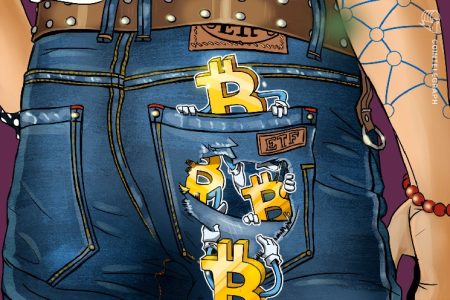
South Korea is preparing to make a significant leap into the cryptocurrency investment landscape by opening its markets to spot Bitcoin exchange-traded funds (ETFs) this year. This groundbreaking move is part of a comprehensive digital asset initiative spearheaded by the Financial Services Commission (FSC) under its ambitious 2026 economic growth strategy. The decision represents a dramatic shift in South Korea’s approach to cryptocurrency investment products, potentially transforming how institutional and retail investors engage with digital assets in the country.
The regulatory landscape in South Korea has historically presented barriers to cryptocurrency investment vehicles. Until this announcement, cryptocurrencies including Bitcoin were not legally recognized as legitimate underlying assets for ETFs, effectively preventing the creation and distribution of these financial products within the country’s borders. This classification has kept South Korea behind other major financial hubs in terms of regulated crypto investment options, despite the country having one of the world’s most active cryptocurrency trading communities. The FSC’s policy reversal signals a growing recognition of digital assets’ permanence in the global financial ecosystem and their potential contribution to economic growth.
“This regulatory evolution demonstrates South Korea’s commitment to fostering innovation while ensuring appropriate investor protections,” explains Dr. Min-ho Park, an economics professor at Seoul National University who specializes in financial technology. “The government is acknowledging both the market demand and the competitive necessity of embracing these financial innovations.”
Following Global Trends as Bitcoin ETFs Gain Mainstream Acceptance
South Korea’s move appears to be strategically timed to align with international trends, as the FSC follows the path carved by other major financial jurisdictions, including the United States and Hong Kong, where spot Bitcoin ETFs have gained regulatory approval and achieved remarkable market success. The impact of these products in markets like the U.S. has been substantial, with a BlackRock executive recently revealing that Bitcoin ETFs have become the primary revenue generator for the world’s largest asset manager. This international success story hasn’t gone unnoticed by South Korean regulators, who recognize the potential economic benefits of embracing rather than restricting this financial innovation.
The domestic appetite for cryptocurrency investment in South Korea is already substantial. According to data from the Korea Financial Intelligence Unit (KoFIU), the first half of last year saw 10.7 million users eligible to trade cryptocurrencies in the country. During this period, the average trading volume reached an impressive 6.4 trillion Korean won (approximately $4.39 billion), highlighting the significant market demand that exists for cryptocurrency investment products. These figures underscore why regulators are now working to create more structured, regulated pathways for cryptocurrency investment that can better protect consumers while facilitating market growth.
“South Korea has always had a tech-forward population that embraced cryptocurrencies early, but until now, investment options have been limited to direct cryptocurrency purchases on exchanges,” notes financial analyst Ji-yeon Kim of Seoul Investment Research. “ETFs will provide a more accessible on-ramp for traditional investors who want cryptocurrency exposure without managing private keys or navigating exchanges.”
Comprehensive Digital Asset Act to Regulate Stablecoins and Beyond
The ETF announcement is only one component of a more extensive regulatory framework being developed. Simultaneously, the government is drafting a new Digital Asset Act that will place particular emphasis on regulating stablecoins, according to reports from local media outlets. This comprehensive legislation is expected to introduce a licensing regime for stablecoin issuers, mandate 100% reserve backing requirements, and establish guaranteed redemption rights for users. These provisions aim to address concerns about stablecoin stability and transparency that have emerged globally following incidents like the collapse of Terra/Luna in 2022, which had significant connections to South Korean founders and investors.
The forthcoming legislation will also articulate clear guidelines on how stablecoins can be traded or transferred across international borders, potentially positioning South Korea as a leader in creating regulatory clarity for cross-border digital asset transactions. This aspect of the regulatory framework could prove particularly significant for South Korea’s role in the broader Asian financial ecosystem, potentially facilitating increased digital asset flows between South Korea and other major markets in the region. The comprehensive approach demonstrates the government’s understanding that effective digital asset regulation requires addressing multiple interconnected aspects of the ecosystem rather than focusing solely on investment products.
Industry experts believe this regulatory clarity could attract global digital asset businesses to establish or expand operations in South Korea. “Clear rules create certainty, and certainty attracts investment,” explains blockchain consultant Sung-min Cho. “With these regulations in place, South Korea could become a significant hub for compliant digital asset operations in Asia.”
Blockchain-Based Public Finance Transformation Through Deposit Tokens
Beyond private-sector applications, South Korea is pursuing an ambitious plan to modernize public finance through blockchain technology. The government has revealed plans to digitize public funds using deposit tokens—government-issued digital tokens that are distinct from stablecoins in their issuance model and regulatory framework. These tokens represent a direct claim on deposits held at regulated financial institutions, providing a government-backed digital alternative to traditional fiat currency for specific use cases.
The scale of this initiative is substantial, with officials targeting the conversion of 25% of treasury operations to blockchain-based payments by 2030. This transformation would represent one of the most significant blockchain adoptions by any government globally, potentially processing billions of dollars in public funds through distributed ledger technology. Pilot programs for these blockchain-based treasury operations are already underway, demonstrating the government’s commitment to moving beyond conceptual exploration to practical implementation. To facilitate this transition, changes to existing laws governing the central bank and treasury operations are anticipated this year, creating the legal foundation necessary for this technological shift.
“The government’s willingness to embrace blockchain for its own financial operations sends a powerful signal about its confidence in the technology,” observes Dr. Young-hee Lee, a digital economy researcher at Korea Advanced Institute of Science and Technology. “This isn’t just about allowing private sector innovation—it’s about the government itself becoming a blockchain user and beneficiary.”
Positioning South Korea at the Forefront of Regulated Digital Asset Innovation
South Korea’s multipronged approach to digital asset regulation and adoption positions the country to become a significant player in the future of regulated cryptocurrency markets. By simultaneously opening markets to Bitcoin ETFs, developing comprehensive stablecoin regulations, and implementing blockchain technology in government operations, South Korean authorities are crafting an integrated strategy that addresses both private investment demand and public sector modernization needs.
This coordinated effort represents a marked evolution from the country’s previously cautious stance toward cryptocurrencies. In 2017-2018, South Korea implemented some of the world’s strictest cryptocurrency regulations amid concerns about market speculation and financial stability. The current policy direction suggests regulators have gained confidence in their ability to effectively oversee digital asset markets while acknowledging their potential economic benefits.
As these initiatives unfold throughout 2024 and beyond, South Korea’s approach will be closely watched by other regulators and market participants globally. If successful, this regulatory framework could provide a template for other jurisdictions seeking to balance innovation and investor protection in the rapidly evolving digital asset space. For South Korean investors and financial institutions, these changes promise to open new opportunities for diversified investment and technological advancement, potentially cementing the country’s position as a leader in regulated digital asset innovation in the years ahead.