



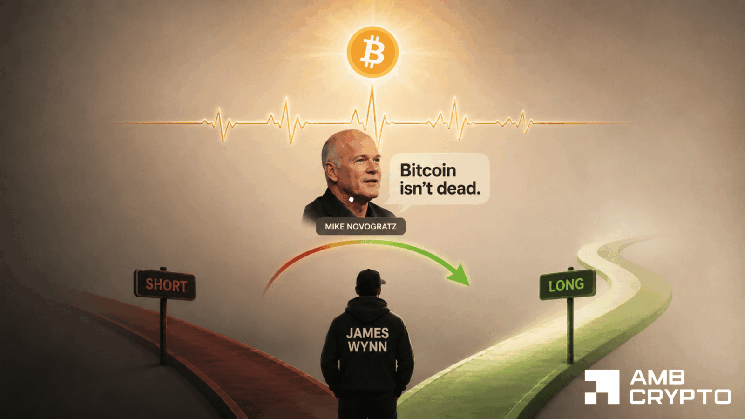
The Pendulum of Decentralized Finance: Navigating the Recent Tectonics of the Crypto Market
The global cryptocurrency ecosystem has recently weathered one of its most tumultuous periods of the year, embarking on a volatile rollercoaster ride that has tested the resolve of institutional desk traders and retail enthusiasts alike. Just weeks after a spectacular, liquidity-driven rally propelled the cumulative market capitalization of all digital assets above the monumental $2.50 trillion threshold, a sudden shifting of the macroeconomic tides triggered a swift and unforgiving correction across the board. In the opening weeks of May, market leader Bitcoin surged with seemingly unstoppable momentum, climbing from a consolidated base of $67,000 to peak briefly above $80,000, breathing fresh optimism into the broader Web3 landscape as secondary protocols and alternative Layer-1 networks rallied in its wake. However, this euphoric ascent was abruptly countered by a severe liquidity squeeze, which dragged Bitcoin down from local highs of $77,000 to a distressing trough below the psychological support level of $60,000 before a modest, highly volatile rebound brought the benchmark digital currency back to hover around the $62,000 mark. This rapid, multi-billion-dollar correction has ignited intense debates among financial analysts regarding the underlying structural health of the market, forcing a thorough re-evaluation of current crypto trading trends as market participants scramble to decipher whether this correction represents a mere temporary retrenchment or a more permanent cooling of the digital asset summer.
Deconstructing the “Thesis Break”: Novogratz and Scaramucci Confront the Skeptics
                   ┌─────────────────────────┐
                   │   $2.50T+ Market Cap    │
                   └────────────┬────────────┘
                                │ (Market Correction)
                                ▼
                   ┌─────────────────────────┐
                   │  Bitcoin Tumbles Below  │
                   │         $60,000         │
                   └────────────┬────────────┘
                                │ (Strategic Rebound)
                                ▼
                   ┌─────────────────────────┐
                   │   Consolidates ~$62k    │
                   └─────────────────────────┘
Against the backdrop of this stark market reset, veteran Wall Street financier and SkyBridge Capital founder Anthony Scaramucci recently sat down with Galaxy Digital CEO Michael Novogratz on All Things Markets to address the existential question weighing heavily on the minds of portfolio managers worldwide: has Bitcoin suffered a fundamental “thesis break”? The swiftness of the crypto market correction has provided ample ammunition for long-standing industry contrarians, most notably Euro Pacific Capital chief global strategist Peter Schiff, who waste no time in declaring the eminent demise of decentralized monetary systems. Schiff has confidently predicted that Bitcoin’s downward trajectory could ultimately drag the asset back down to the $20,000 level, utilizing this latest correction to reiterate his decades-long thesis that unbacked digital currencies lack intrinsic value and are destined for systemic collapse. Responding to these dire forecasts with characteristic pragmatism, Novogratz firmly dismissed the notion of an existential failure, declaring unequivocally that “Bitcoin isn’t dead” while highlighting that the asset’s long-term value proposition as a decentralized, non-sovereign store of wealth remains entirely intact despite localized derivatives liquidations and short-term capital outflows.
Dismantling the Dogma: Why the Traditional Four-Year Halving Cycle May Be Crumbling
Traditional Model (Halving-Based) Novogratz’s Maturing Market Model
┌─────────────────────────────────┐ ┌─────────────────────────────────┐
│ • Fixed 4-year cyclic halving │ │ • Institutional ETF liquidity │
│ • Supply-squeeze driven rallies │ VS │ • Global macroeconomic driver │
│ • Retail-driven speculation │ │ • Non-sovereign hedge asset │
└─────────────────────────────────┘ └─────────────────────────────────┘
A core element of Novogratz’s defense involved a significant departure from established crypto dogma, specifically challenging the widely accepted sanctity of the Bitcoin 4-year cycle. Traditionally championed by high-profile industry figures such as Binance CEO Richard Teng and his predecessor Changpeng “CZ” Zhao, this four-year model posits that the pre-programmed block reward halving acts as the primary, highly predictable driver of Bitcoin’s macroeconomic bull and bear markets. Novogratz argued that while this cyclical framework has historically functioned as a self-fulfilling prophecy—largely due to a highly concentrated class of Asian mining pools and retail traders acting in unison—the rapid institutionalization of Bitcoin has fundamentally altered the structural dynamics of market liquidity. As spot exchange-traded funds (ETFs) on Wall Street integrate digital gold into multi-asset portfolios, Bitcoin is increasingly decoupling from its historical halving schedule and instead trading on global macroeconomic drivers, central bank balance sheets, and sovereign debt dynamics, indicating that the rigid historical cycles of the past decade may no longer serve as a reliable roadmap for future market predictions.
A Study in Resilience: Assessing Bitcoin’s Performance Against Traditional Safe Havens
To truly comprehend the current Bitcoin market outlook, Novogratz emphasized the necessity of zooming out to observe the asset through a multi-year macroeconomic lens rather than focusing solely on near-term technical charts. Even after weathering the recent steep drawdown, Bitcoin is currently trading at a valuation that is more than four times higher than its 2022 cyclical low of approximately $15,000—a rate of recovery and capital appreciation that legacy monetary safe-havens like physical gold have failed to replicate over equivalent historical periods. Furthermore, despite intense selling pressure from leveraged traders, the digital currency has managed to hold resiliently above the key $45,000 downside floor previously identified by MicroStrategy chairman and prominent Bitcoin advocate Michael Saylor. This underlying strength is bolstered by a deeply committed cohort of high-conviction, long-term holders who originally accumulated their positions when the asset was trading at or below the $8,000 territory. These institutional and sovereign-minded investors have demonstrated an unwavering willingness to hold through massive volatility, with many refusing to liquidate their holdings even when prices hovered near all-time highs, anticipating a long-term target of $300,000 to $400,000 per coin. While Novogratz admitted that the immediate-term price action remains challenging—marked by a notable 40% decline in trading volumes as speculative interest temporarily migrates toward artificial intelligence and high-growth equity sectors—he noted that Bitcoin’s structural resilience continues to shine through, outperforming almost all alternative crypto-assets which have suffered significantly deeper, double-digit drawdowns.
Comparison of 2022-to-Present Recovery Multiples:
┌─────────────────┬────────────────────────────────────────────────────────┐
│ Asset Class │ Recovery Multiple │
├─────────────────┼────────────────────────────────────────────────────────┤
│ Bitcoin ($BTC) │ 4x+ gain from 2022 macro bottom ($15k low to ~$62k) │
│ Gold │ Modest double-digit fractional percentage growth │
└─────────────────┴────────────────────────────────────────────────────────┘
High Stakes on the Blockchain: Deciphering the Leverage Shifts of Elite Day Traders
               ┌───────────────────────────────────┐
               │    James Wynn Closes Short Pos.   │
               │    (BTC & SOL: Net $6.4k Profit)  │
               └─────────────────┬─────────────────┘
                                 │
                    (Flipped to Bullish Long)
                                 ▼
               ┌───────────────────────────────────┐
               │   Max Leverage Long Positions:    │
               │   • BTC (40x Leverage, $373k)     │
               │   • ETH (25x Leverage, $8.50k)    │
               └───────────────────────────────────┘
While macro strategists engage in theoretical debates regarding multi-year cycles, on-chain execution data reveals that agile, high-net-worth market operators are already capitalizing on the local bottom of this crypto market correction. According to transaction analytics compiled by blockchain tracking firm Lookonchain, an elite derivatives trader operating under the moniker James Wynn recently executed a massive pivot, closing out high-risk short positions on Bitcoin and Solana with a combined net profit of $6,400 just as the selling momentum began to exhaust itself. Displaying the aggressive, counter-cyclical risk appetite characteristic of top-tier market makers, Wynn immediately flipped his bias from bearish to extremely bullish. He initiated high-conviction, maximum leverage trading positions designed to capture a rapid relief rally. On-chain disclosures indicate that Wynn opened an aggressively leveraged 40x long position on Bitcoin valued at approximately $373,000, while simultaneously establishing a 25x leveraged long exposure on Ethereum valued at $8.50,000. These highly calculated moves successfully anticipated a swift, liquidity-driven bounce-back, which saw Bitcoin post a rapid 2.50% recovery and Ethereum lead the charge with a 2.78% increase, vindicating the tactical decision to leverage the immediate Ethereum rebound at the exact point of maximum bearish capitulation.
The New Paradigm: Synthesis of Volatility, Leverage, and the Future of Sovereign Money
            ┌───────────────────────────────────────────┐
            │        The Maturing Market Paradigm       │
            ├───────────────────────────────────────────┤
            │ • Short-Term Liquidity Shakeouts          │
            │ • Institutional Base Support (~$45k-$60k) │
            │ • Gradual Decoupling from Retail Cycles   │
            └───────────────────────────────────────────┘
The convergence of Michael Novogratz’s high-level macro observations and James Wynn’s tactical derivatives trading highlights a profound evolution within the contemporary digital asset market. What once operated as an isolated, retail-driven sandbox governed by predictable four-year halving patterns has transformed into a highly sophisticated, institutional-grade financial ecosystem. In this new landscape, short-term volatility and sharp leverage shakeouts are not signals of impending structural failure, but rather the natural clearing mechanisms of a highly liquid, global asset class finding its equilibrium. As Bitcoin and Ethereum continue to demonstrate their systemic resilience, clawing back losses and securing solid support levels above historical baselines, they solidify their status as permanent fixtures of the modern global economy. For long-term investors and high-frequency leverage traders alike, the current consolidation phase does not represent the end of the cryptocurrency experiment. Instead, it marks the beginning of a mature, battle-tested financial paradigm that has shed its experimental origins to trade as a resilient asset on the global stage.