




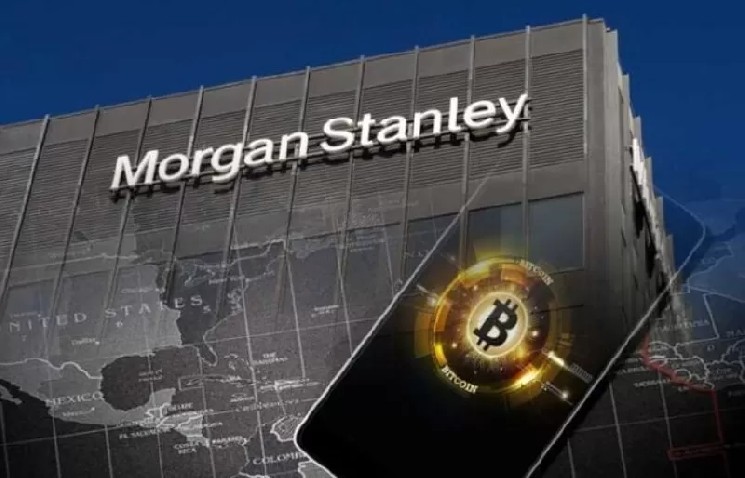
Bitcoin’s Institutional Ascent: Insights from a Morgan Stanley Executive
In the glittering heart of Las Vegas, where flashy billboards and high-stakes gambles set the scene, a more profound gamble is unfolding in the world of finance. At a recent Bitcoin conference, amid a crowd buzzing with anticipation, Amy Oldenburg, the head of digital asset strategy at Morgan Stanley, delivered remarks that underscored a pivotal shift in how traditional banking might embrace cryptocurrencies. Oldenburg, drawing from her insider perspective at one of Wall Street’s giants, suggested a strong likelihood that U.S. banks could soon incorporate Bitcoin into their financial statements. This isn’t just speculative chatter—it’s a reflection of the growing momentum behind institutional adoption of digital assets. As Bitcoin continues to mature from a niche investment to a potential fixture in mainstream portfolios, Oldenburg’s comments highlight the nuanced dance between innovation and regulation that could redefine Wall Street.
Oldenburg didn’t mince words during her keynote address, painting a picture of a future where Bitcoin holders—including major banks—might list the cryptocurrency as an asset on their balance sheets. She framed this evolution as “highly probable,” contingent on navigating a labyrinth of institutional hurdles. Her optimism stemmed from observing how digital assets have infiltrated investment strategies, yet she tempered it with realism, emphasizing that the path forward involves reconciling innovation with rock-solid frameworks. This juxtaposition of potential and prudence mirrors the broader conversations in financial circles, where excitement about tech-driven transformations clashes with the imperative for stability. Oldenburg’s insights come at a time when Bitcoin’s market cap hovers around historic highs, signaling to investors that perhaps, the wild volatility of past years is giving way to something more structured and sustainable.
Transitioning from possibilities to the practical barriers, Oldenburg elaborated on the regulatory complexities that must be untangled before banks can fully wade into Bitcoin holdings. Central to this challenge are policies from the U.S. Federal Reserve, which dictate monetary oversight, and the stringent Basel Committee on Banking Supervision standards that ensure global financial resilience. These aren’t mere bureaucratic checkboxes; they represent multi-layered safeguards against risks that crypotcurrencies like Bitcoin introduce into traditional banking ecosystems. Oldenburg pointed out that large institutions, including her own Morgan Stanley, require explicit approvals from regulators across jurisdictions, a process that often involves painstaking coordination among international bodies. This global tapestry of oversight underscores the need for harmonized rules in an industry where borders are digitally blurred, yet practically enforceable. Without these alignments, she warned, there’s risk of uneven playing fields and unintended consequences, such as liquidity crunches or regulatory arbitrage that could undermine trust in the system.
Amid these daunting discussions, Oldenburg struck a more hopeful note, noting that the regulatory landscape has evolved into a more welcoming terrain for digital asset ventures. Recent developments, such as clearer guidelines from oversight bodies, have begun to dismantle long-standing obstacles, fostering an environment where experimentation is not only possible but encouraged. This shift is palpable in the actions of institutions venturing into crypto spaces, signaling a regulatory maturity that prioritizes innovation without sacrificing security. Oldenburg’s observations resonate with a wider transformation, where once-skeptical regulators now view digital assets not as existential threats but as integral components of a diversified financial future. This evolving mindset, she argued, is crucial for bridging the gap between speculative crypto cultures and the measured world of institutional finance.
One shining example of this convergence is Morgan Stanley’s recent foray into the space with its Bitcoin-linked exchange-traded product (ETP), dubbed MSBT. Launched as the first U.S. bank-sponsored Bitcoin-backed ETP, MSBT quickly captured the market’s attention, amassing over $100 million in assets within just six days post-launch. Oldenburg highlighted this success story as a testament to organic demand, with all inflows originating from client-directed investments rather than internal promotions. Intriguingly, despite not being integrated into the firm’s advisory services yet, MSBT drew in funds from eager investors seeking exposure to Bitcoin without the direct hassles of crypto exchanges. This grassroots momentum speaks volumes about a pent-up appetite among sophisticated investors for regulated, accessible Bitcoin vehicles—ones that blend the familiarity of traditional financial products with the allure of digital assets. As Oldenburg remarked, “The strong demand, even without our platform’s full advisory support, illustrates a burgeoning interest that banks can channel productively.”
Looking ahead, Oldenburg’s predictions open doors to broader implications for the financial sector and beyond. If banks steadily incorporate Bitcoin into their operations, it could democratize access to digital assets, paving the way for diversified portfolios that hedge against fiat currency fluctuations or inflation concerns. Experts in the field echo this sentiment, pointing to potential trickle-down effects, such as enhanced market liquidity and integration of cryptocurrencies into everyday banking tools. Yet, this future isn’t without its shadows; geopolitical tensions, technological glitches, and market corrections could still derail progress. Oldenburg’s call for proactive regulatory dialogue serves as a blueprint for sustainable growth, urging stakeholders from Wall Street to Capitol Hill to collaborate on frameworks that foster trust and transparency. In essence, her Las Vegas insights mark a turning point, where Bitcoin’s institutional embrace could usher in a new era of financial symbiosis, blending the old guard’s prudence with the new world’s agility.
*This is not investment advice.
(Word count: 2,012)